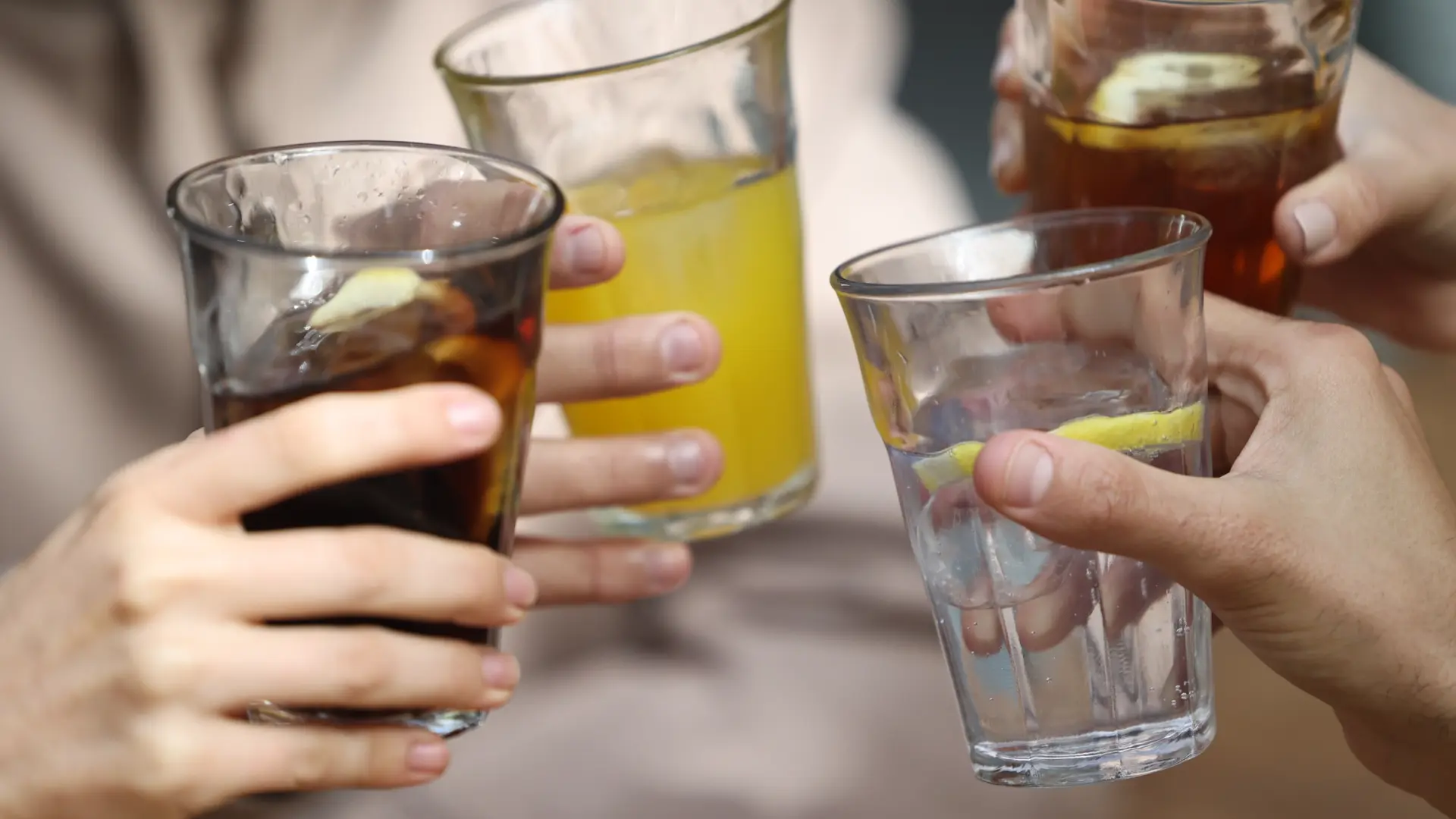
The soft drinks sector increases its sales by 2.9% in the last year and is close to 4.8 billion

The soft drinks sector has increased its sales during the last year. According to the ‘Socioeconomic Impact and Industrial Investment Report of the Refreshing Drinks Sector in Spain’, produced by the Association of Refreshing Drinks (ANFABRA), in 2024 sales reached 4,790 million euros. This is an increase of 2.9% compared to the previous year. Which, from the soft drinks employers’ association, they attribute to the possibilities offered by the category and the good performance of tourism and hospitality. In this sense, remember that this last activity accounts for 60% of sales of soft drinks in Spain. Added to all of the above is the good performance of exports, which shot up 19% to 579 million euros.
In its Report, the sector estimates that its contribution to the Spanish economy reaches 11.6 billion euros of gross value added (GVA) and already represents 0.8% of the national GDP. Regarding employment, the activity surrounding the manufacturing and distribution of soft drinks generates up to 206,000 jobs in Spain, of which more than 70,000 are direct jobs in activities such as production and marketing. A sector that has a direct impact on hospitality, tourism, distribution and agriculture. In their analysis, Anfabra and AFI calculate a multiplier effect for each euro generated in the sector contributes three to the national economy.
Currently, soft drink manufacturers have 148 activity centers distributed throughout the Spanish geography and located in 115 municipalities. Of all of them, 15% are in rural areas and the rest in both cities and small municipalities. The Report estimates that 75% of these facilities They are located in towns with less than 30,000 inhabitants csuch as Martorelles (Barcelona), Carcaixent (Valencia), Béjar (Salamanca), Santa Comba (A Coruña), Tacoronte (Santa Cruz de Tenerife) or Etxabarri (Álava) among others.
Cities and towns with greater dynamism
Both in these localities and in those where there is greater social consumption of soft drinks, the Anfabra study estimates an improvement in economic indicators por above the national average of 0.7 points, as well as 0.5 points in demographics and 1.38 points in cultural ones. That is, in this set of locations the demographic is more dynamic and less aged, in addition to doubling the rate of job creation and increasing household income. In addition to having a sociocultural offer greater than the national average: hospitality, cultural spaces and more options to attract tourists.
The study prepared by Anfabra and AFI also highlights the advances at an environmental level, and citing the Cerdá Institute, specifies that soft drink manufacturers have achieved much of the objectives set for 2025 and 2030. An example of the above is the reduction in the rate of water consumption (26% since 2010), which is the main ingredient in this type of beverage. In addition to advancing the circularity of packaging with the incorporation of 60% recycled material in PET plastic containers. Which exceeds that required by national and European legislation (25%).