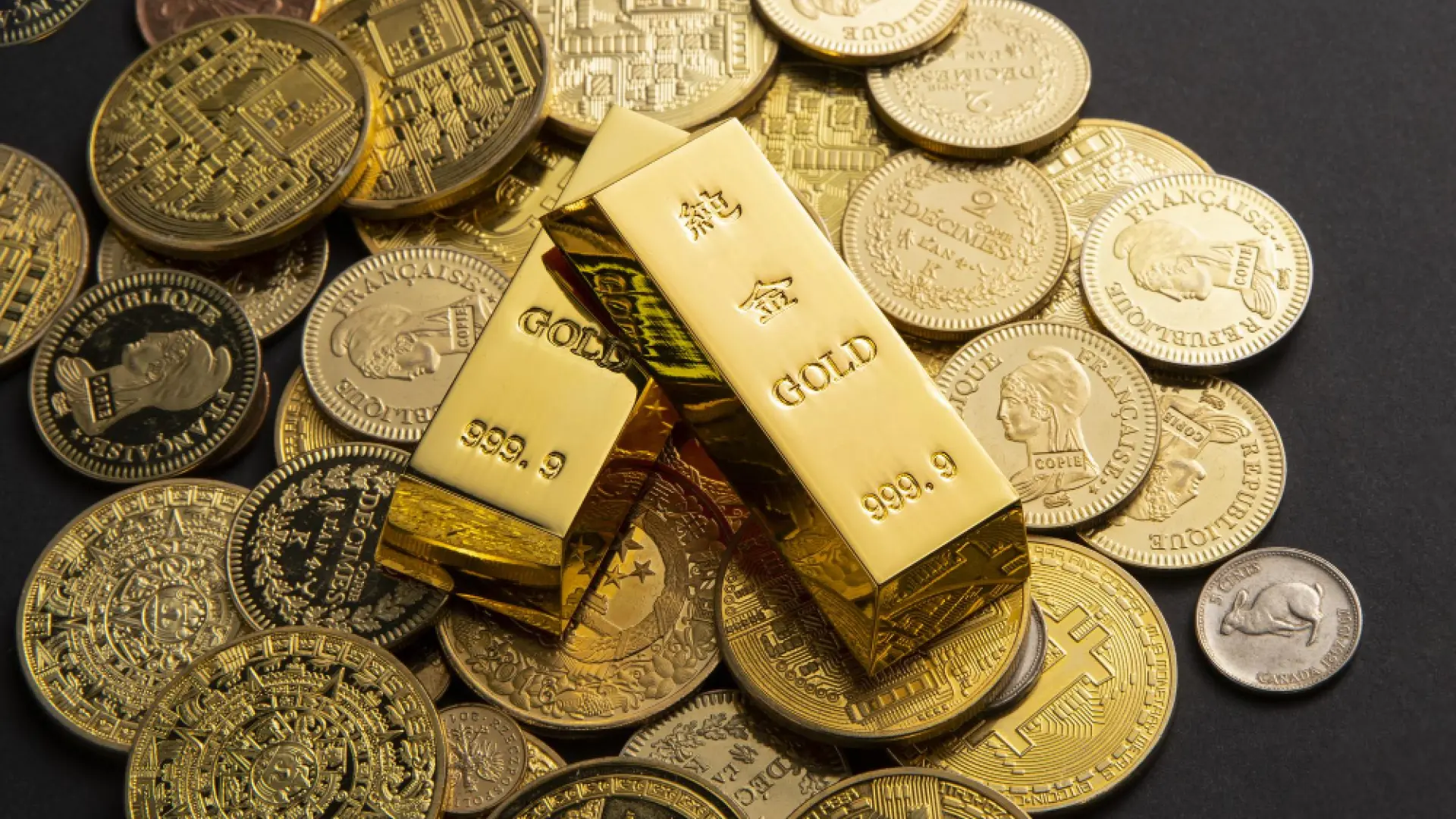
the taxation of the precious metal when the Treasury knocks on the door
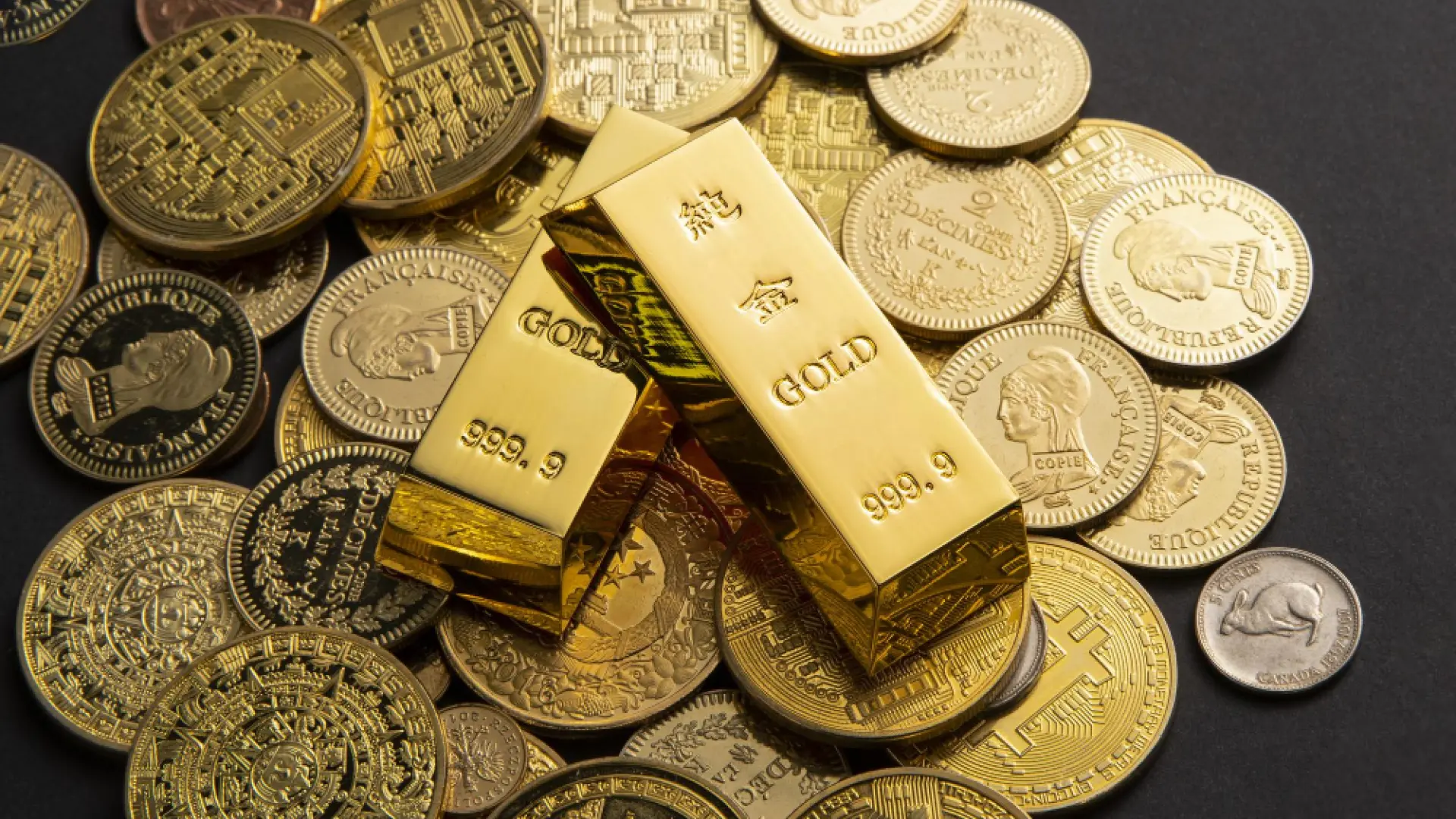
The so-called ‘gold rush’ In the 19th century, thousands of people migrated to California (USA) and Australia. Their goal was to get rich taking with them all the precious metal they could from the large deposits discovered.
About two centuries later, gold continues to unleash passionsespecially in times of economic uncertainty and geopolitical tensions such as those experienced in Ukraine and the Middle East. This precious metal, considered a safe haven asset par excellence, has experienced a significantly upward trend from 2024.
Not surprisingly, gold futures surpassed this October for the first time the threshold of 4,100 dollars (3,542.61 euros) days after having done the same with the 4,000 (3,456.20 euros) on account of the renewal of trade tensions between China and the United States.
For all these reasons, investing in gold continues to be very attractive for any type of investor, although it is important to know how to do it well. “Gold enjoys special tax treatment in many European countries“says Daniel Marburger, director of StoneX Bullion GmbH, a company specialized in the purchase and sale of precious metals, who specifies that in Spain “it is exempt from VAT.” This is stated in Council Directive 1998/80/EC, of October 12, 1998, which was later transposed into Spanish legislation.
“This makes physical gold particularly attractive to investors who seek to preserve wealth in the long term. Other metals, such as silver, platinum, and palladium, are subject to the standard VAT rate of 21%which makes them less attractive to private investors compared to gold,” he explains.
However, the elimination of 21% VAT on purchase and sale transactions does not affect all types of gold. So, It is only “applicable to investment gold operations”as stated by the Tax Agency on its website. The Treasury considers investment gold sterling gold ingots or sheets with a purity of at least 99.5% (995 thousandths) and to coins that exceed 90% (900 thousandths) minted after the year 1,800 and whose sale price does not exceed 80% of the gold price at the time of purchase.
Taxation of profits, between 19 and 27%
Despite this tax exemption, investment gold must also be accountable to the public treasury in the Personal Income Tax (IRPF) if its sale generates a capital gain. That is to say: it is only declared if it has been sold at a higher price than the price at which it was purchased.
The taxation of this type of transactions is included in the tax base of savings. Four sections are established: first – up to 6,000 euros – is taxed at 19%; he second -between 6,000 and 50,000 euros- does so at 21%; in it third -from 50,000 to 200,000 euros- the taxation amounts to 23%; and in the fourth – more than 200,000 euros of capital gains – it is taxed at 27%
The capital gains generated must appear in the income tax return of said exercise and it is advisable to always keep the purchase invoice for the bars or coins where the purchase price, purity, price and certificate of each of the pieces are reflected.
Subscribe to the Mi Bolsillo Newsletter to receive the best tips and tricks that will allow you to get the most out of your budget.