The world’s largest producer of olive oil is committed to a “balance” price of between 3.5 and 4.5 euros per liter in the field

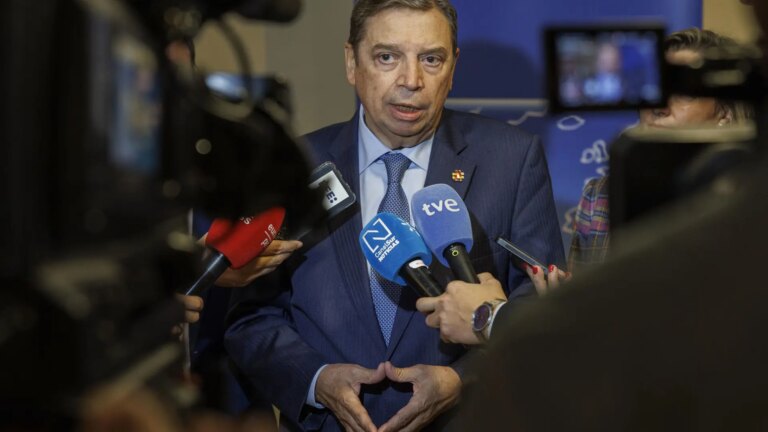
Olive oil has been one of the products that has been most impacted by the last inflationary episode and has subsequently undergone a rapid ‘normalization’ in the final months of last year and the beginning of this year. The president of the cooperative group DCOOPAntonio Luque, assures that the important thing now is to know what would be the appropriate value for the oil and is committed to “finding a balance that works for everyone”, which places between 3.5 and 4.5 euros/liter at origin.
Luque believes that it is “a level that is doing well for the consumer. The head of the firm recognizes that as a farmer he would like “it to be higher and as a consumer lower” although he clarifies that “There will be high quality oils that are being paid above 5 euros” and 3.9 euros for the worst ones. However, as an olive grower, the president of DCOOP points in another direction: “The producer what you need is water and having it those prices would be great for us,” he concludes.
Luque recalls that “water helps farmers produce quality food at affordable prices, because “If there is no water, production is much lower and prices rise.” Which, in his opinion, can increase the attractiveness of cultivation in other countries and end the Spanish leadership in crops such as olive oil or table olives. “Oil and olives can be produced in many places in the world”warns the head of the cooperative giant who has cited the decline in the weight of Spanish tomatoes in the European market.
In his annual meeting with the media, the first executive of the cooperative group referred to the strong investments that are being made in water infrastructure in countries like Morocco, as well as the commitment of many Spanish businessmen with interests in agriculture constitutes an example to take into account. “This is the key to the future of the agri-food sector in Spain,” in reference to a greater capacity of dammed water to be able to produce food sustainably and at affordable prices for consumers.
Bet on the United States, despite Trump…
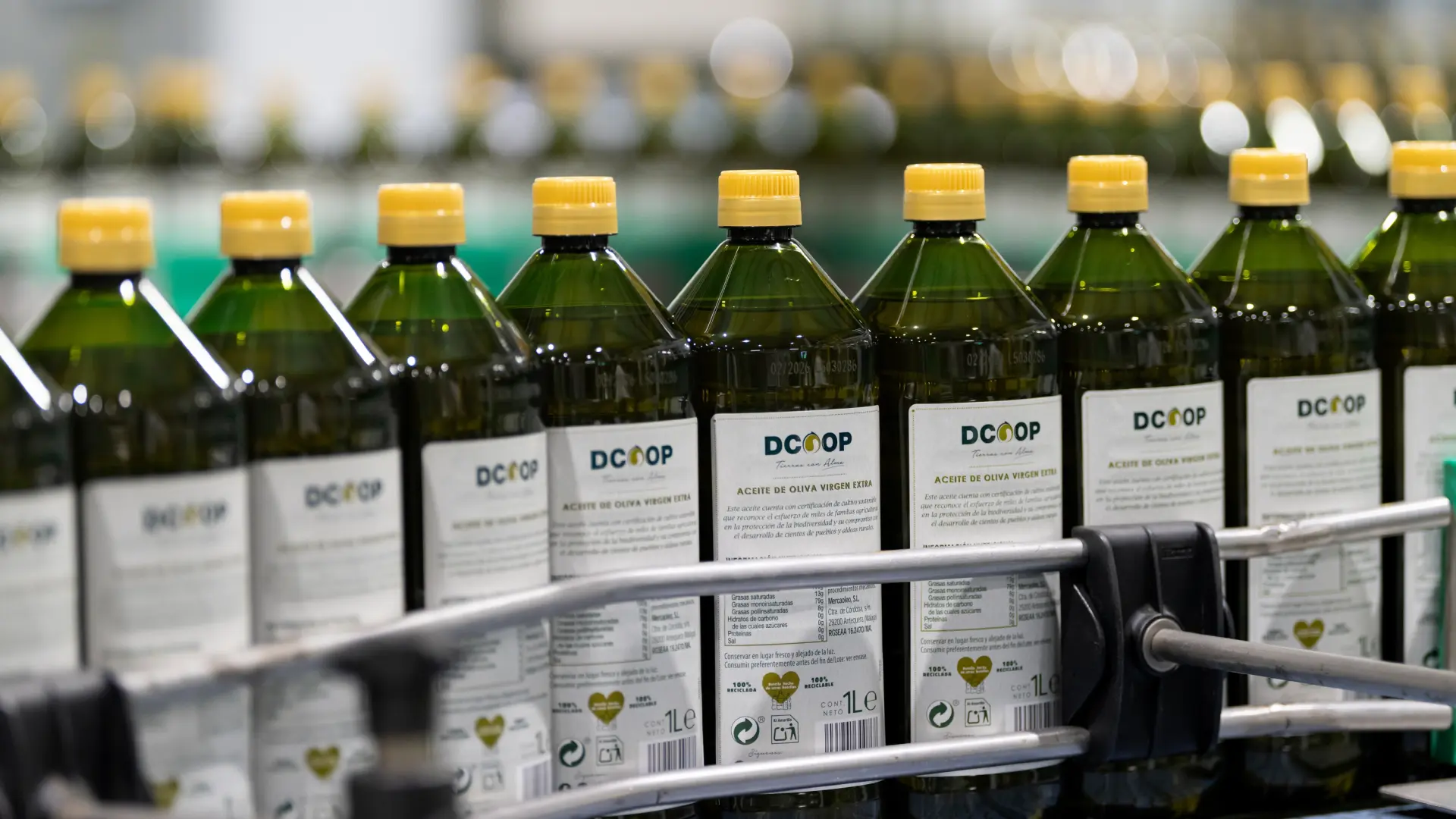
The world’s leading producer of olive oil, with an annual average of 200,000 tons and a global turnover of 1,555 million of euros in 2024, has decided to challenge the tariffs and reinforce its commitment to the US market. Last year it exported to this country for an amount of 278.86 million euros being the first destination for its international sales by far. Italy was far behind (152.46 million).
According to Luque, DCOOP is already negotiating the acquisition of the other 50% of the Pompeian Group from an American family group. “We are already developing the ‘due intelligence’ of the companyeven if whatever happens we will continue in the company,” guarantees the president of the Spanish company who admits that his partners are still analyzing their options. “Pompeian has a 20% market share in the ‘Extra Virgin’ segment‘, according to Nielsen”, highlights a company that they estimate can contribute up to 300 million euros to DCOOP’s balance sheet if it assumes full ownership.
The head of the cooperative group adds that when there is a decision we will talk about economic figures, and recognizes that the last few years in the US market have been complicated by tariffs and the devaluation of the dollar. Regarding the former, the general director of DCOOP, Rafael Sánchez de Puerta, prefers their elimination since “The American consumer is paying for them.”
Luque does not hide some relief because “differential tariffs” have not been established between European countries, some direct competition in olive oil for Spain such as Italy or France and cites the “loss of the US market” for the table olive Specifically, De Puerta believes that the recent ruling by the World Trade Organization (WTO) against the United States over the 31% tariff on Spanish black olives “comes at the most inopportune moment” and points out that the European Commission “has not and will not fight.”
Expansion plans for Spain
Of the effects of the tariff, the president of the cooperative group estimates that they have ‘only’ caused “a smaller drop” in prices compared to what happened in Europe, despite which consumption would be increasing in segments such as ‘extra virgin’ and remaining in other categories of lower quality. Asked about future acquisitions and, above all, if they were still on the radar DEOLEOLuque recognizes the improvements of this Spanish multinational whose majority stake is held by the British investment fund GVC and praises its current management. Regarding a future purchase offer, if its owners put the ‘For sale’ signthe first executive of DCOOP simply adds that “we will study it with great care.” What the cooperative group is immersed in is cost savings in the production processes of its associated cooperatives, promoting a second common oil mill in the province of Badajoz, with which they estimate to grind (grind) between 8 and 10 million kilos of olives starting next Monday. They are also preparing a future factory in Martos and another factory to make juice for industry to boost the growth of their new Citrus section, focused on the cultivation of oranges for the industry.