This is how it affects homes and businesses
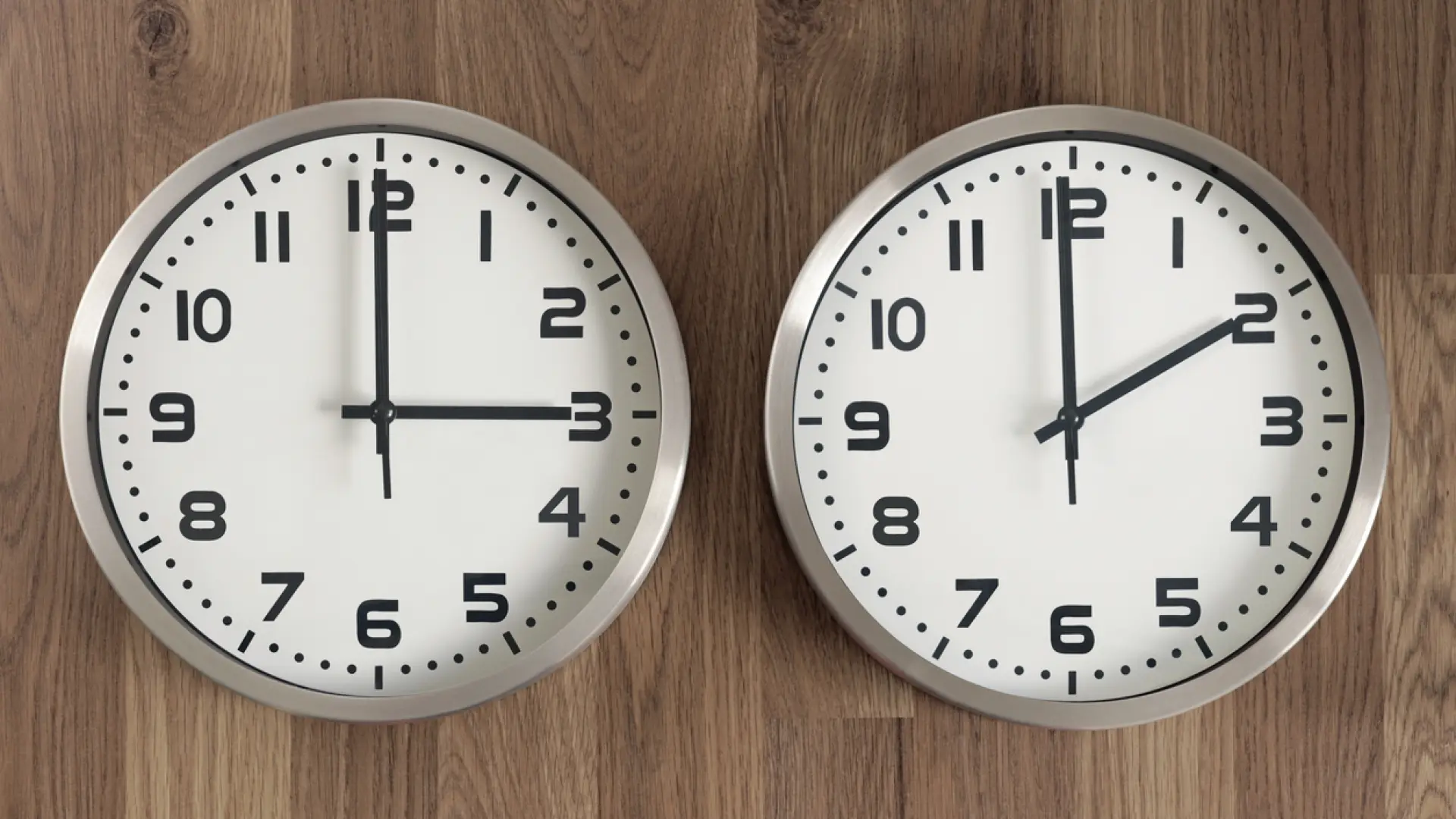
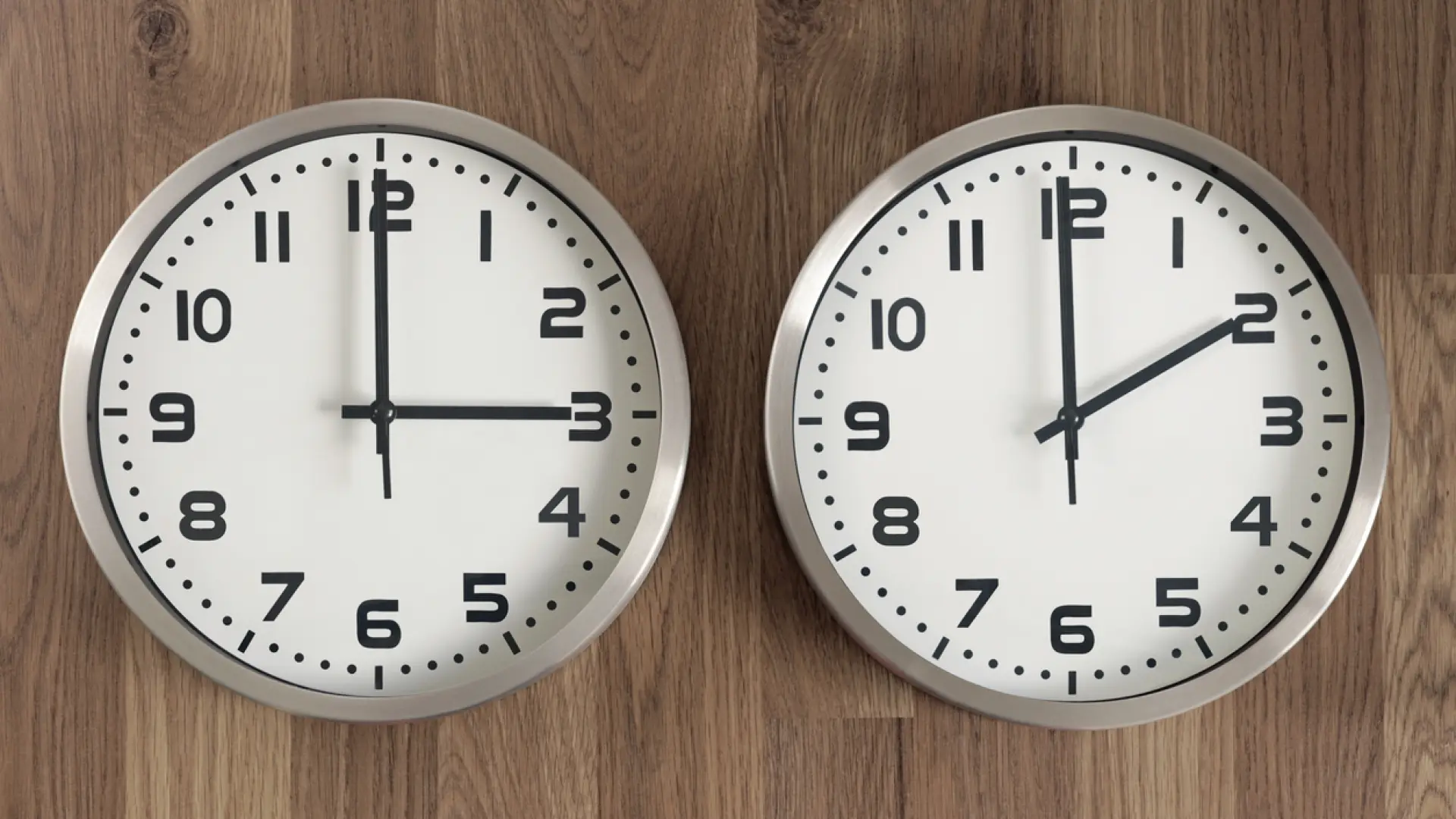
In the early hours of next Sunday, October 25, we will enter winter time for another year, that is: when the clock strikes 03:00 it will automatically be 02:00 again. In the case of the Canary Islands, the clocks will go from 01:00 to 2:00. This schedule will initially be extended until the early hours of March 28 to 29, 2026. In Spain, as is the case with the rest of the countries in the European Union (EU)there is an obligation to change the time twice every year in compliance with the European Time Change Directive 2000/84/EC, which aims to save energy.
Now, in the fall and winter season, the most immediate effect of the time change is that it will dawn and dusk much earlierso we will have less sunlight time in the afternoons. A large part of society has been questioning for years whether this event really contributes to energy savings in homes.
In fact, the president of the Government, Pedro Sanchezannounced this week that Spain has proposed to Brussels to definitively end the time change in Europe next year 2026. Sánchez has assured that science has corroborated that “it no longer represents energy savings”.
It is true, as the Spanish president has pointed out, that currently the savings are ridiculous. This is due in large part to technological advances, such as LED lightswhich consume much less than traditional light bulbs.
The latest data from the Institute for Energy Diversification and Saving (IDAE)dependent on the Ministry for the Ecological Transition and Demographic Challenge (MITECO), estimated the total savings at 300 million euros annually. Of these, 210 million would be part of the savings in the consumption of buildings in the tertiary and industrial sector and the remaining 90 would correspond to households, which represents an average reduction in the electricity bill of about six euros per year.
From the IDAE they have indicated to EP that the most current report on the subject was prepared by the Industry, Research and Energy Committee of the European Parliament in 2018. According to the investigation, Although seasonal time changes can produce savings, these are marginaland there is no certainty that the benefits will be obtained in all EU Member States. The analysis also indicates that although there may be energy savings in lighting, It is not so obvious that the same thing happens with heatingwhere consumption could even be increased.
A custom that dates back to 1918
In Spain every year the clocks are set forward or back one hour, a custom that dates back to 1918when it was first adopted to save energy during World War I. In 1940, the regime Franco moved forward an hour the time zone for align with Germanya political decision that still exists. Therefore, although geographically we should share the time with Portugal or the United Kingdom, we are still one hour ahead.
Since 1981, the European Union has regulated time changes, which take place in March and October. However, recent studies question its usefulness: Energy savings are minimal and experts warn that it affects sleep and well-being. In 2018, The European Parliament proposed eliminating this practicebut member countries have not yet agreed on what schedule to maintain.