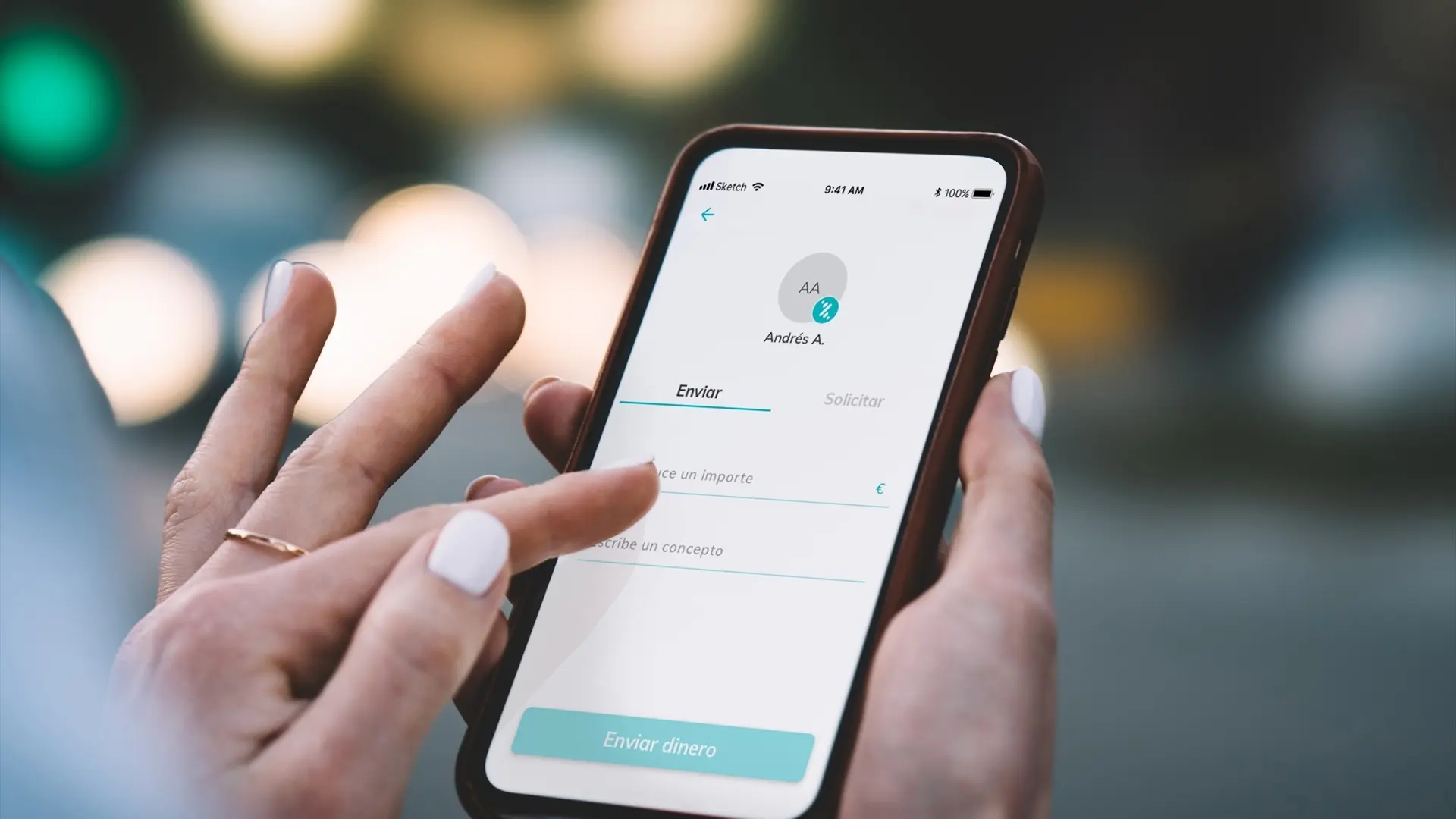
This way you can avoid errors in your transfers

Before make a transfer, especially if it is of high value, it is necessary to verify a thousand and one times to be sure that the money will reach the right person. And a simple error or confusion in a number can cause serious losses and scams are also becoming more common every day. In this context, the Bank of Spain has announced a system with the objective of increase confidence in transfers (ordinary or immediate).
The procedure is quite simple, the service allows check if the beneficiary name matches the ownership of the destination account. That is, there does exist an IBAN, a unique account identifier, linked to the person to whom we want to send the money. Many banks have already begun to include notices, something that has been inspired by services like Bizum.
How does the verification service work?
When a customer makes a bank transfer, the beneficiary verification process is automatically activated. First, the payer’s banke sends a request to the recipient’s bank to verify that the beneficiary’s details match those registered in the receiving account. This system analyze the name and other details to ensure money reaches the right person and reduce errors or fraud.
The beneficiary’s bank responds with one of four possible outcomes: Coincidentwhen the data is exact; almost coincidentalshowing the registered name for the orderer to confirm; Not matchingwhen the data do not agree; either Could not verifyif for some reason the check was not completed. With this information, the client can decide whether to continue the transfer, adjust the data, or cancel the operation.
The importance of verifying
According to the Bank of Spain, the IBAN continues to be the unique identifier of the account. That is, in case the verification returns a result Not matching, It is up to the user whether they want to continue with the operation or not. If there is an error, then the payment service provider will not be held responsible.