Tooth abscess, what is it? – MAPFRE Blogs
Tooth abscesses are serious infections in the mouth. Learn about its types, symptoms and treatments to avoid serious complications such as sepsis.

Dr. Xavier Vidal Ramón
Collegiate number 08/34.34- Graduate in Medicine and Surgery from the University of Valladolid 1995. Graduate in Dentistry from the International University of Catalonia. Medical consultant for Blog Salud MAPFRE
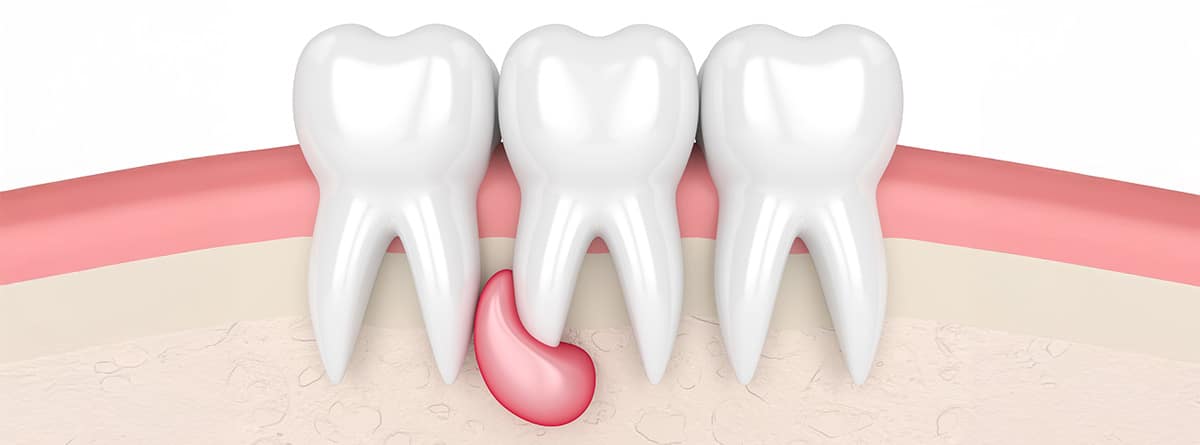
A dental abscess is a collection of pus, made up of dead cells, live and dead white blood cells, foreign substances and bacteria. This infection can form in different oral areas for various reasons.
What types of dental abscesses are there?
- Periapical abscess: occurs around the apex (termination) of the tooth roots and affects the jaw bone. It is caused by a deep cavity, dental fracture or failure of dental treatment (filling or endodontics).
- periodontal abscess: occurs in the gums and the supporting tissue of the tooth. It originates when the gum separates from the tooth, creating pockets where debris accumulates and becomes superinfected.
- gingival abscess: It is an acute and superficial infection located in the gum. It is mainly caused by the impaction of foreign bodies or local trauma, without affecting the periodontal tissue.
Symptoms according to the type of abscess
Periapical abscess (evolutionary phases)
Periapical infection follows a chronology of pain:
- Reversible pulpitis: stabbing pain when drinking hot food or drinks.
- Irreversible pulpitis: The pain becomes intense, constant and throbbing. The patient has a feeling of pressure due to the accumulation of pus in the bone.
- Pulp necrosis: The nerve dies, and the severe pain subsides or disappears for a time.
- Swelling and fever: The pressure can break the layer of bone (fistula). Visible swelling appears on the gum and often on the face or cheek. There may be fever and general malaise.
periodontal abscess
The symptoms are related to the support of the tooth:
- Pain is felt when chewing, but percussion pain may be less intense than periapical pain.
- There is marked or excessive tooth mobility, as the infection destroys the lateral supporting bone.
Risk factors
There are some general, systemic and lifestyle factors that compromise the body’s ability to fight infections:
- Immunosuppression: any condition that weakens the immune system, including uncontrolled diabetes, corticosteroid or chemotherapy treatments, and HIV/AIDS.
- Tobacco (smoking): reduces blood flow to the gums, it is a very high risk factor for periodontal disease.
- Poor nutrition and chronic stress.
On the other hand, there are specific factors:
- Periapical: untreated cavities (main factor), defective or old fillings (fillings), and dental trauma that can lead to pulp necrosis.
- Periodontal: preexisting periodontal disease, deep periodontal pockets, poor oral hygiene, and poorly fitting restorations or crowns.
With MAPFRE Dental Insurance, you can access emergency dental care to treat dental abscesses and protect your oral health.
CALCULATE YOUR PRICE
Serious complications
Lack of treatment can lead to serious complications:
- Fistula: Creates a drainage “tunnel” that relieves pain, but the chronic infection persists and continues to slowly destroy the bone.
- Facial Cellulite: Serious bacterial infection of the soft tissues of the face and neck. It causes extensive swelling and requires antibiotic treatment and urgent drainage.
- Ludwig’s angina: Very serious cellulitis that affects the floor of the mouth and the neck. The inflammation can block the airways, causing suffocation. It’s a medical emergency.
- Osteomyelitis: Infection of the bone itself, most commonly affecting the jaw.
- Sepsis: An uncontrolled infection that enters the bloodstream. Sepsis can lead to organ failure and is a life-threatening condition.
Diagnosis
The diagnosis is based on clinical examination and radiographic confirmation:
- Clinical examination: includes visual inspection, percussion test (sharp pain characteristic of periapical abscess), periodontal probing (to measure the pocket, indicates periodontal abscess), and vitality test (periapical tooth does not respond – dead pulp, periodontal usually responds – vital pulp).
- Periapical radiography: A radiolucent (dark) area is seen around the apex in periapical abscess, or bone loss along the lateral wall in periodontal.
Treatment
The treatment has two phases: the acute phase (urgency) and the definitive phase (elimination of the cause).
- Periapical abscess: The urgency is drainage through the tooth. The definitive treatment is root canal treatment (endodontics). If it is irreparable, the tooth is removed.
- periodontal abscess: The urgency is Subgingival drainage and scaling (deep cleaning). The definitive treatment is periodontal therapy, which may include surgery.
- gingival abscess: Treatment is simply drainage and removal of the foreign body.
In all cases, antibiotics are prescribed if the infection has spread.
Prevention of dental abscesses
- Prevention focuses on controlling the two major risks: prevent cavities from destroying the tooth (Periapical) and prevent plaque from destroying the support of the tooth (periodontal).
- Prevention of Periapical Abscess (cavities).
- Rigorous oral hygiene: Regular brushing and flossing.
- Periodic dental check-ups and rapid treatment of cavities.
- Protection against dental trauma (use of mouthguards).
Prevention of periodontal abscess (gum disease)
- Plaque and tartar control through hygiene.
- Maintain Periodontal Health: Follow strict periodontal maintenance programs (deep cleanings or scaling).
- Treatment of dental defects: repair restorations or crowns with poorly fitted edges.
- Avoid smoking.
- Control of systemic factors
- Control diabetes: Keep glucose levels controlled.
- Management of Immunosuppression.
What you should know…
- Dental abscess can be periapical, periodontal or gingival, and each one is caused by different problems such as deep cavities, periodontal disease or foreign bodies in the gum.
- Symptoms range from pain and swelling to fever, and without treatment serious complications such as facial cellulitis, osteomyelitis or even sepsis can occur.
- It is diagnosed with clinical examination and x-rays; Treatment includes drainage and eliminating the cause (root canal, scaling or extraction), and prevention is based on good oral hygiene, caries control, periodontal health and avoiding risk factors such as smoking.