Trump’s tariffs on the pharmaceutical sector will mean extra costs of up to 16.4 billion for European companies
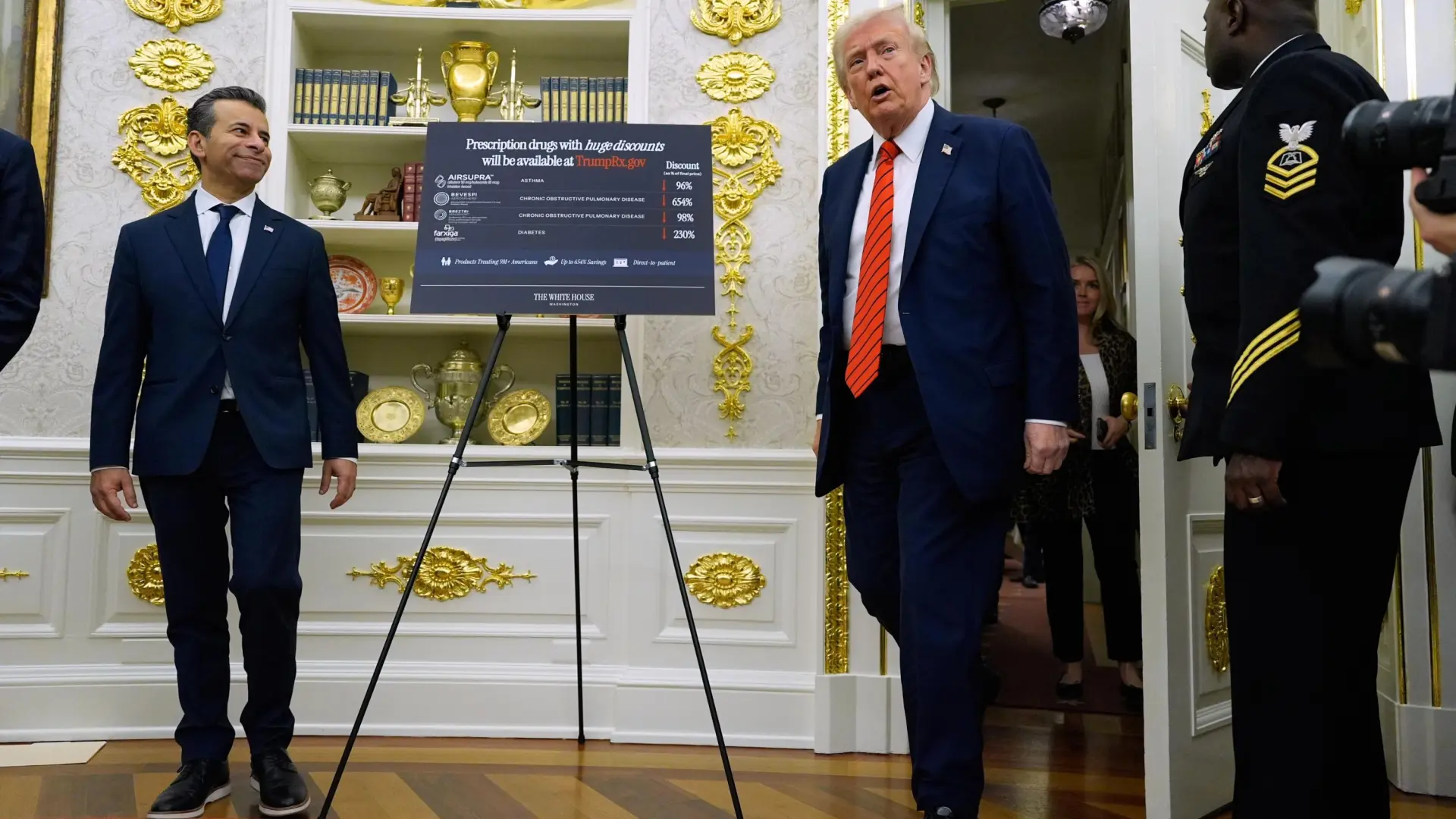
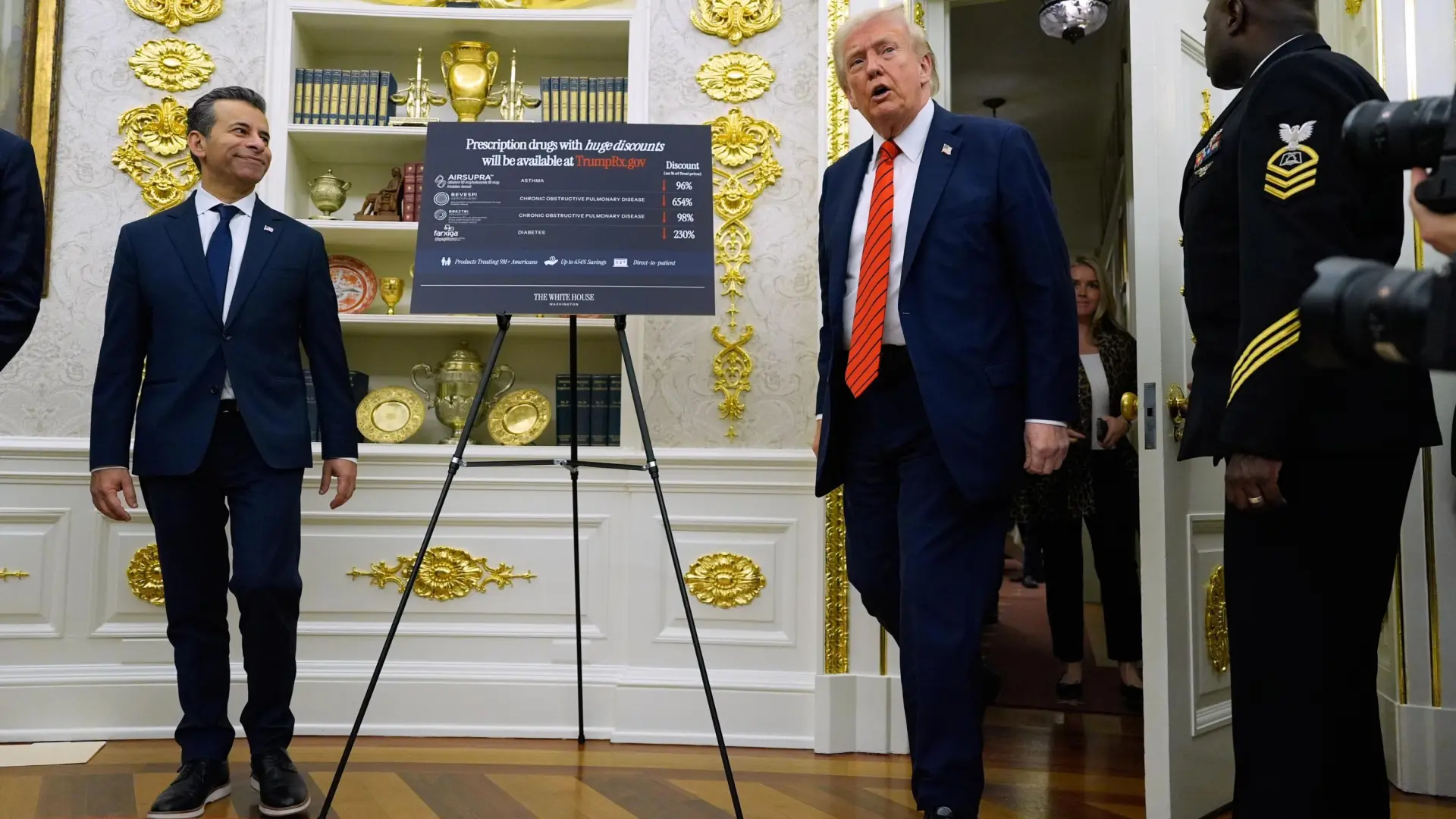
The tariff policy of the president of the United States, donald trumpis already a real headache for the European pharmaceutical sector, especially after the announcement of a 100% tariff on all medicines branded or patented, except for those companies that are building factories in the United States. This adds more uncertainty to the pact between the community bloc and Washington to a maximum transversal tariff of 15%. In its report “The impact of tariffs on the pharmaceutical industry”, prepared by the Healthcare area of the consulting firm LLYC, it is estimated that the imposition of tariffs may represent an extra cost for European companies in the sector. between 11,200 and 16,400 million euros (between 13,000 and 19,000 million dollars).
Which would especially affect what they have called, from LLYC, as “critical therapeutic areas” citing Oncology particularly, where they anticipate negative effects both in the importation and in the coordination of transatlantic clinical trials. In addition, citing sources such as the European employers’ association of the sector such as the European Federation of Pharmaceutical Industries and Associations (EFPIA, in English), the consulting firm recalls the risk of “an estimated exodus of investmentsn 103 billion euros between 2025 and 2029 towards the United States, if Europe did not implement deep and urgent reforms.
In its document, LLYC cites several examples such as the stoppage or cancellation of projects in the United Kingdom, the announcement of rovi of the acquisition of a plant in the state of Arizona and Pfizer’s agreement to reduce the price of medicines on US soil. Along these lines, they point out in their study that, with the universal 15% tariff agreed on paper with the Americans, the bill for this tariff on exports to the country presided over by Trump would reach about 18 billion of euros.
An opportunity for Europe?
Despite the above, the report prepared by LLYC’s Healthcare area maintains that paradoxically the protectionist suit that Trump has designed for the US market offers the opportunity for Europe to move towards strategic autonomy, reinforcing local production.l “and reducing their vulnerability to external crises”. In this sense, it urges the creation of “incentive frameworks, investment support and large agreements that allow the industry to play c“with the same rules of the game as the United States.” As examples, they mention initiatives such as the future European Biotechnology Law or the Life Sciences Directive.
In the case of Spain, they highlight that the country has established itself as “one of the main European focuses in clinical trials, especially in areas such as Oncology or advanced therapies.” Something that, according to LLYC experts, can attract much more international investment. In line with the above, they recommend promoting policies such as increase public – private collaboration and encourage investments in new production plants or R&D centers.
Impacts on supplies and access to medicines
In any case, we are facing the first five most exported products outside of Spain, so any trade barrier puts the competitiveness of the sector at risk. According to LLYC, the tariff would also have an impact on supply networks since “Spain imports a relevant part of its medicines of the United States” and admits that the risk of shortages increases “in strategic therapeutic areas.” In addition, they warn of greater difficulties in accessing medicines for patients. Specifically, they believe that despite the National Health System “pressure on resources could slow down effective availability of new drugs”. Likewise, they predict that this tariff will reduce incentives for research and innovation, reducing “the investment margins of pharmaceutical companies, with a direct effect on R&D projects.”
All of the above, despite the aforementioned agreement for a universal tariff of a 15% maximum tariff. According to the report, this would also apply to brand-name drugs. However, he clarifies that “effective tariffs remain at zero levels until the ongoing investigation under Section 232 is completed.” An investigation by the US Secretary of Commerce into whether the dependence on the US market of pharmaceutical imports would pose a risk to national security.