What does the new protocol mean?
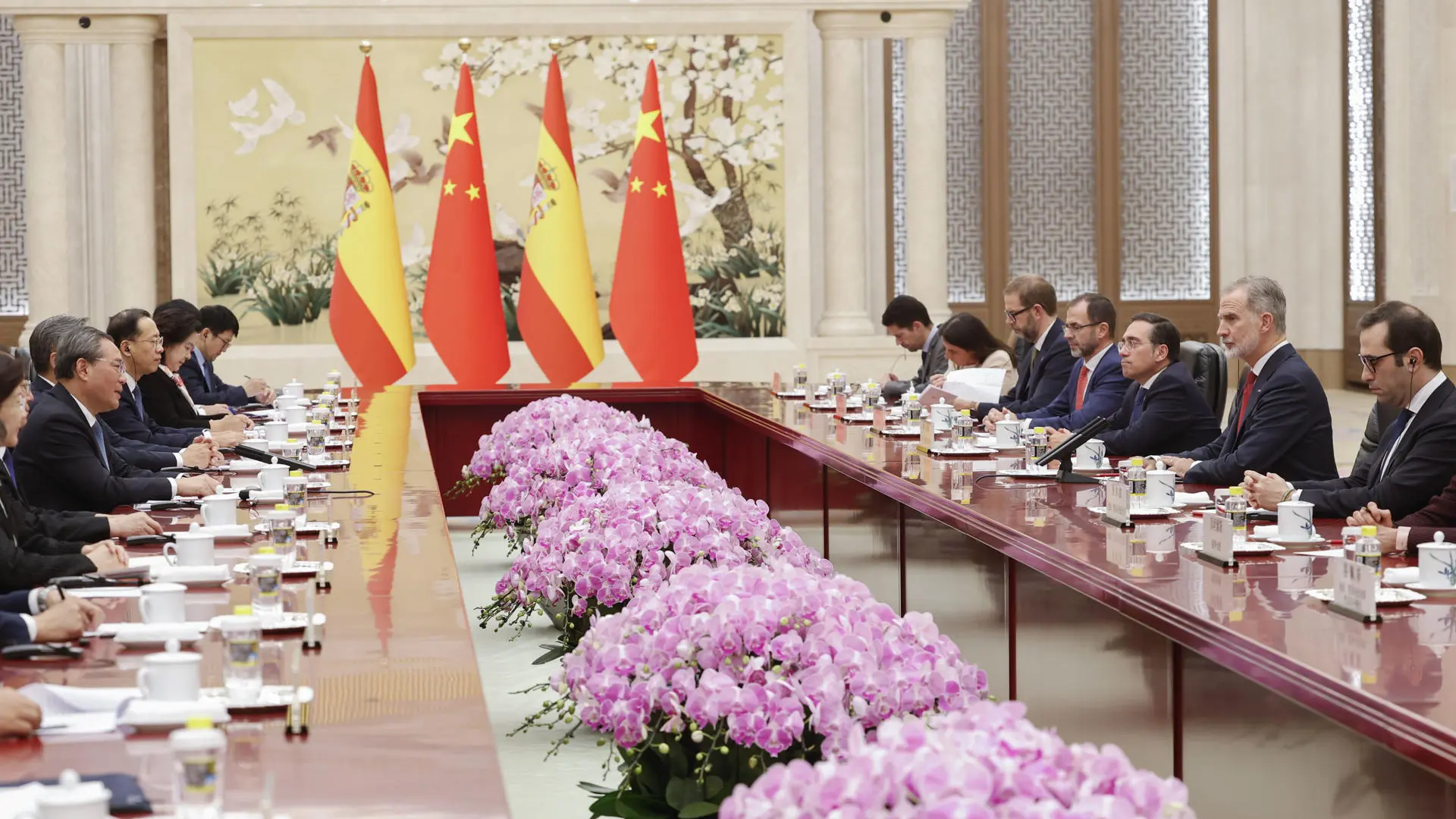
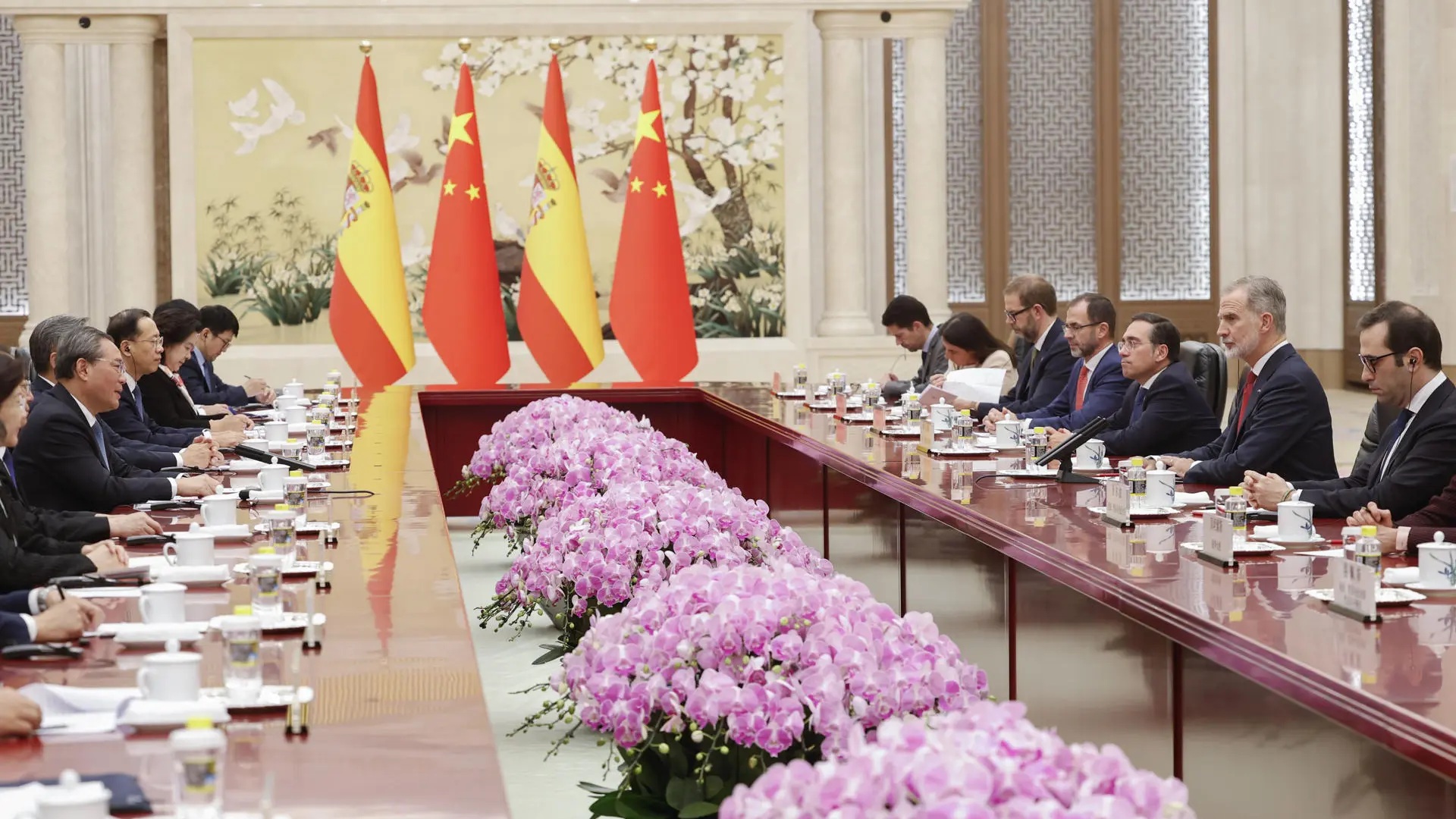
It is no coincidence that, among the ten agreements of strategic interest signed this Wednesday during the visit of the Kings of Spain to China, one is found on sanitary regionalization for the pork sector. A way to stabilize one of the products that we export the most to the Asian giant: pork. The Ministry of Agriculture highlights that the so-called ‘swine fever regionalization’ protocol, which comes into force today, prevents that in the case of illness in an area of Spain “there will be no closure of exports in the entire country, but only in the affected area.” This will allow, they add from the department of Luis Planas, that it can be “follow international trade from areas considered free of the disease”. An announcement that contrasts with China’s decision to impose a tariff of up to 62.4% on certain pork products and derivatives originating in the European Union (EU). A kind of retaliation to the community taxes on Chinese electric vehicles. The country’s authorities lowered this tariff to around 20% for Spanish companies. For example, the Spanish Litera Meat was subject to 15.6%.
Pork, a very profitable export
Why is pork so relevant, that it has made a place for itself on the agenda of the Kings’ hearing? It is the largest Spanish agri-food export to China. If we look at the figures, only in pork, Spain exported last year to the Chinese market for 570.7 million euros. This is 46.8% less than in 2022 when 1,072.9 million were reached, with the Chinese livestock herd still affected by swine fever. To which were added the sales of different edible offal both pork and cattle, sheep and goats, whose exports amounted to 488.6 million euros last year. 5.2% less compared to 2022, when the figures were around 515.5 million.
“A historic milestone for the Spanish pig sector”
From the Interprofessional Agri-Food Organization of the White Coat Pork (INTERPORC) believes that we are facing “a decisive step to guarantee the stability of procine trade flows between both countries.” The president of this Interprofessional, Manuel García, has highlighted that “the signing of this agreement is a historic milestone for the Spanish pork sector and an example of the effectiveness of coordinated work between administrations and the private sector.” For García, with agreements like this, “Spain thus consolidates its position as a solid and reliable partner for China in the agri-food field”. Interporc has participated these days in the Spain – China Business Meeting, held in the city of Chengdu, where it offered a cutting and tasting of Serrano ham before representatives of the institutions and businessmen of the Asian country.
The Minister of Agriculture, Luis Planas, highlights that “This protocol is key to protecting the Spanish pig sectoran international export pillar” and, in his opinion, this protocol “reinforces international confidence in Spanish production.” Agriculture estimates pork exports to China at 540,000 tons during the last year, which they value at more than 1,097 million euros.
Other agreements: animal feed and aquaculture
It is not the only firm in the agri-food field between Spain and China. In addition, they have also signed two additional protocols: The first on quarantine and hygiene requirements for fish oil and meal and other proteins and fats from aquatic animals intended for animal feed. Which paves the way for the trade of this type of by-products in the Chinese market. A second agreement is a protocol on health inspection and quarantine requirements for aquaculture products that are exported to Chinese soil. For the Ministry of Agriculture, this “reinforces health confidence in Spanish aquaculture products, of high quality and health control.”