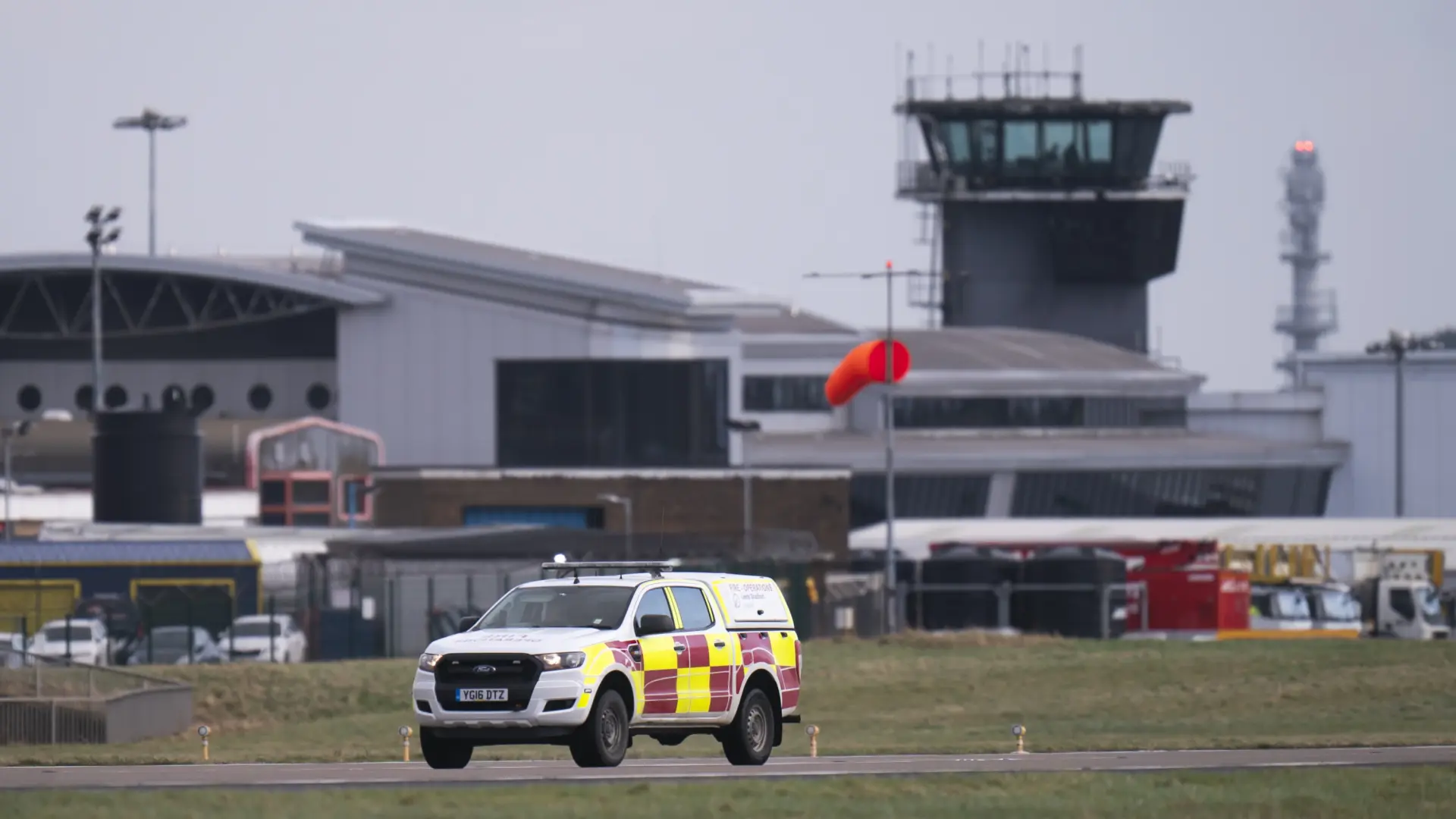
Aena expands in the United Kingdom with the Leeds and Newcastle airports for 309 million
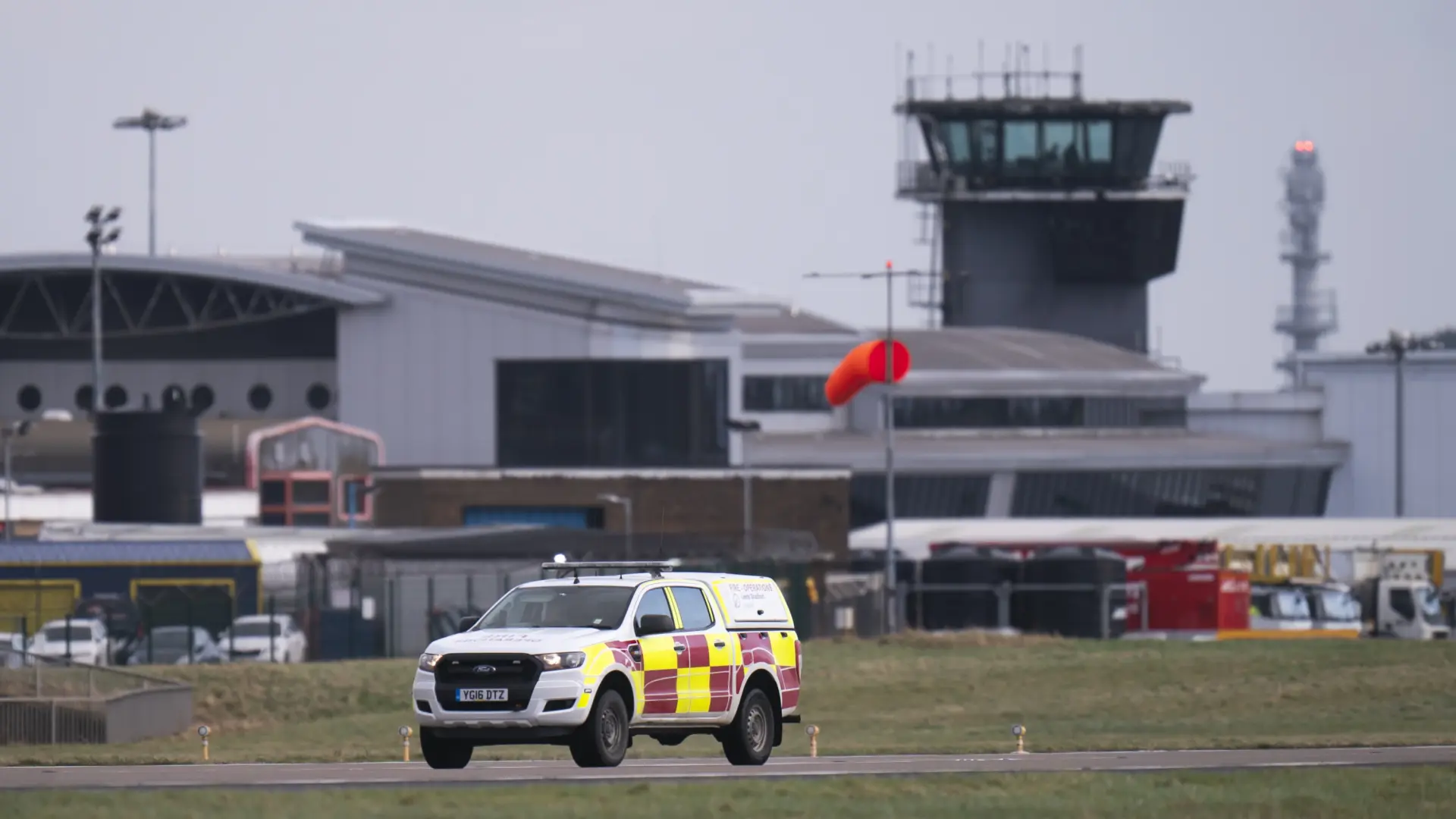
Aena, through its subsidiary Aena Desarrollo Internacional, has reached an agreement with InfraBridge to acquire 51% of the capital of the new holding company that owns and manages the 100% Leeds Bradford Airport and 49% Newcastle Airportboth located in the United Kingdom, for an amount of 270 million pounds (about 309 million euros).
With this operation, Aena strengthens its position in the United Kingdom, where it already manages 51% of Luton airport in London, as the company reported this Thursday to the National Stock Market Commission (CNMV). Leeds Bradford and Newcastle airports recorded around 9.5 million passengers last year, which, added to Luton’s 17 million, means 26.5 million passengers in the United Kingdom.
The seller, InfraBridge, which will maintain 49% of the new holding company and is also the owner of the other 49% of Luton airport, is consolidated with this operation as Aena’s strategic partner in the United Kingdom. The transaction is subject to customary conditions, including regulatory approvals, and will be completed once all conditions have been met. Aena anticipates that the closing of the operation will occur in the second quarter of 2026.
With this transaction, Aena acquires exposure in two owned, unregulated and medium-sized assets in the United Kingdom, which, for the company, represents “a significant strengthening” of its position in the British air market, complementing its current participation in London Luton Airport.
The president and CEO of Aena, Maurici Lucena, has described this operation as “an important step for Aena in countries with great potential such as the United Kingdom“, where the company has “long experience.” “Aena tries to grow, selectively, in the geographies in which we are present to create value for public and private shareholders,” Lucena added.
Two airports with a European tourist profile
Leeds Bradford is a wholly owned and unregulated airport, 100% owned by InfraBridge, located in north-central England, within the Yorkshire and Humber regions, with a population of 5.6 million people. The airport’s catchment area is approximately 13.5 million passengers annually.
As explained by Aena, Leeds is the fourth largest city in the United Kingdom (829,000 inhabitants) and the second largest metropolitan region outside London behind Birmingham. This airport handled 4.3 million passengers in fiscal year 2025, with mostly outbound traffic, with a European tourist profile, and the main base of Jet2.com, present since 2003 and currently has 16 aircraft. Revenue for fiscal year 2025 (from April 1, 2024 to March 31, 2025) was 56.5 million pounds (64.3 million euros at the current exchange rate) and its gross operating result (Ebitda) reached 20.6 million pounds (23.4 million euros), with a margin of 36.4%.
Currently, this airport is carrying out an investment plan called ‘LBA: Regen’which aims to transform the passenger experience and improve the positioning of the airport in its area of influence, Aena explained. This plan consists of three phases: the first, already completed last summer with the construction of the terminal expansion; the second, currently underway, consists of the renovation of the old terminal and its completion is scheduled for the end of 2026, and, finally, phase three, which contemplates the construction of new parking spaces in blocks of ‘stands’ whose materialization will depend on traffic needs.
For its part, Newcastle is a owned and unregulated airport, with an area of 490 hectares, located in the northeast of England. Its catchment area is home to 3 million people, with no major competing airports within 100 miles. This asset is currently controlled by InfraBridge (49%) and LA7 (51%)a group made up of the seven nearby municipalities. In 2024, this airport handled 5.2 million passengers and its traffic is mostly outbound, with a European tourist profile and good diversification in the airline offering, as highlighted by Aena.
Newcastle Airport’s revenue amounted to £89.5 million (€101.8 million), while its Ebitda was £50.2 million (€57.1 million), with a margin of 56%. The airport has adjacent land for new developments, including expansion of the parking lot, the solar farm or auxiliary services. Both airports have, according to Aena, a strong environmental commitment. The one in Leeds is accredited at level 3 of the ‘Airport Carbon Accreditation Scheme’, with the commitment to reach Net Zero in 2030. The one in Newcastle has a 3 megawatt (MW) photovoltaic plant and level 4 accreditation, with the commitment to reach Net Zero in 2035.