ArcelorMittal, Cosentino, Deutsche Bank… large companies see rates and low productivity as a greater risk than tariffs
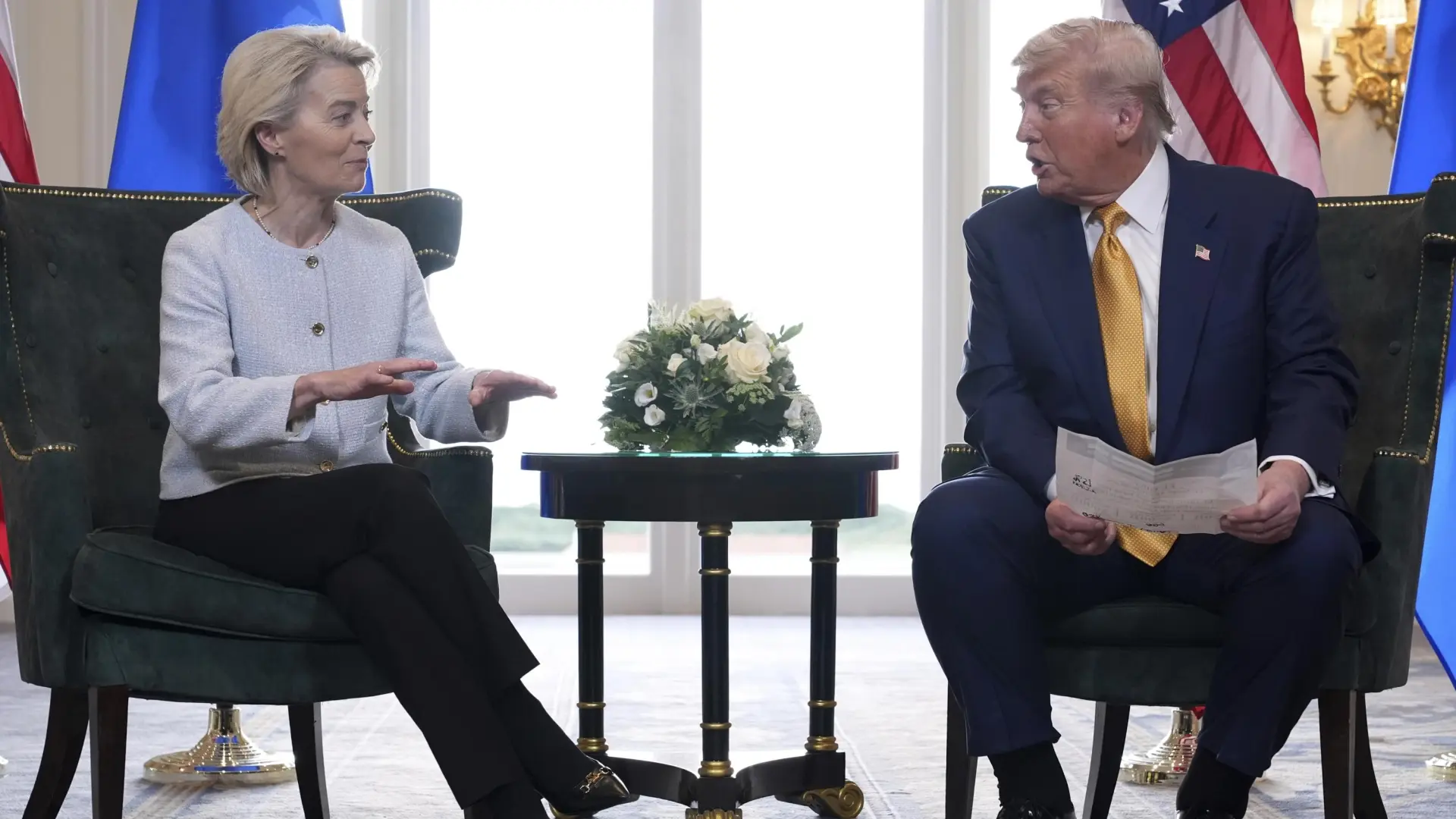
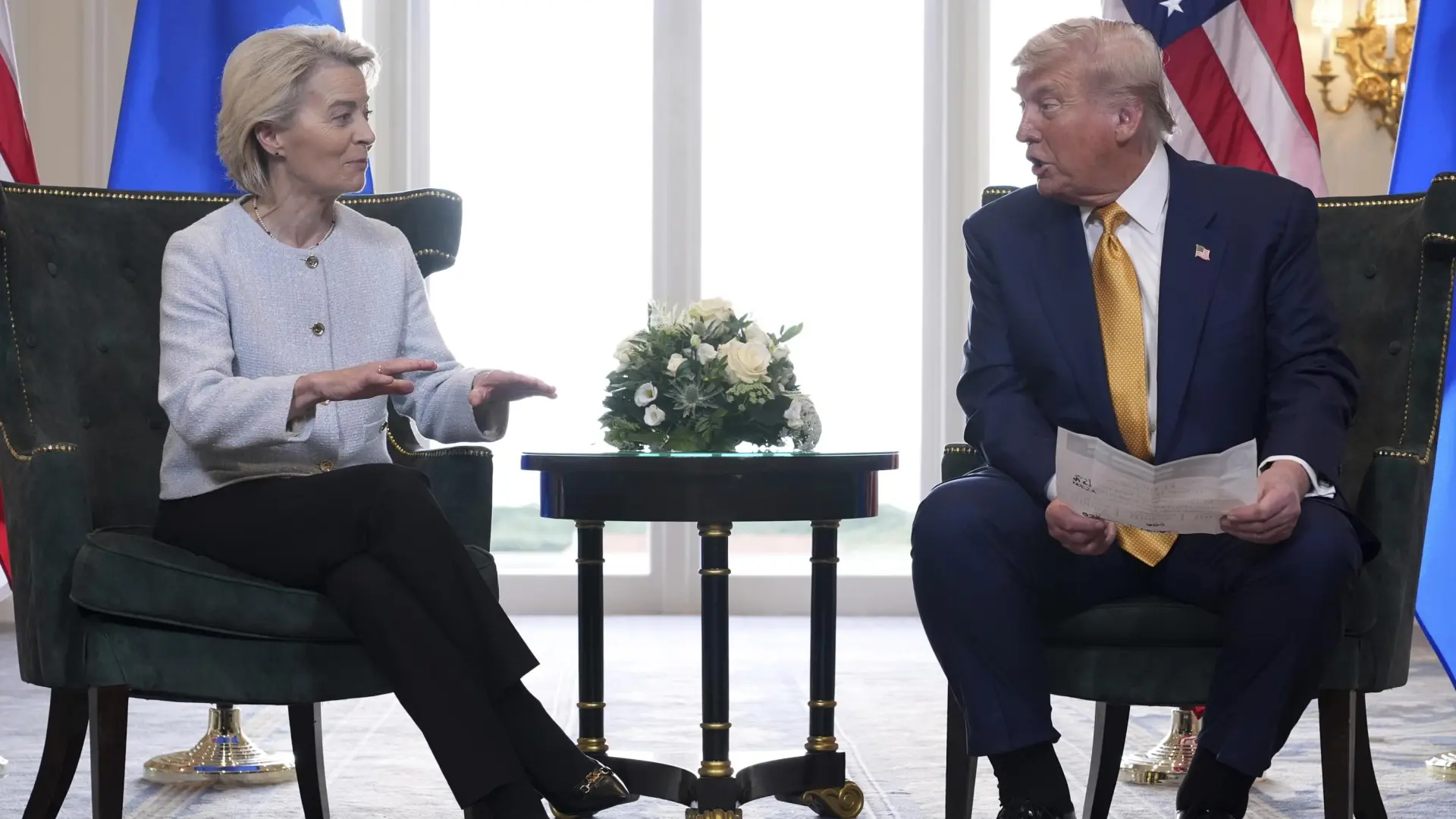
The instability generated by the tariff war unleashed by the United States is here to stay. However, large companies They fear more the effect of a possible rate increase or low productivity than the impact of the new rates decreed by the White House. The agreement between the European Union and Washington, which set a maximum import tax limit of 15% for the majority of products that the world’s leading economy purchases from the community bloc, ends the uncertainty… but only in part.
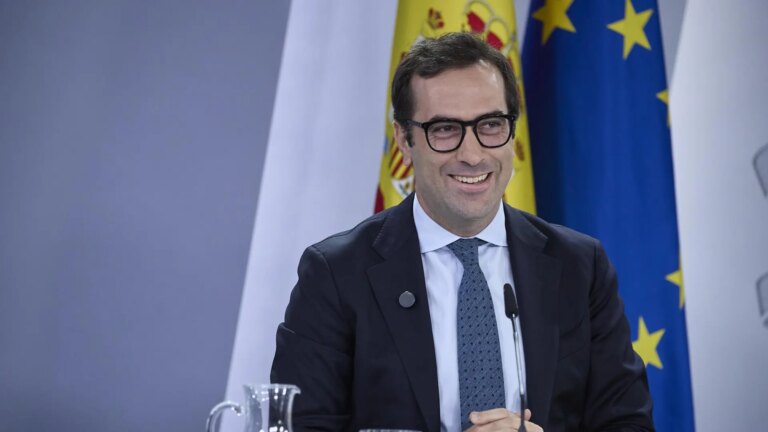
This is explained by experts such as the head of investments at Deutsche Bank, Rosa Duce, who participated on Wednesday in the ‘Economic Forum 2025’ organized in Madrid by the credit insurer Solunion. From his point of view, “although “Companies already know the scenario and the rules of the game.” the situation has become more complex. This, despite the fact that Europeans have a greater consumption capacity compared to their counterparts on the other side of the Atlantic “thanks to the fiscal policy developed by the European Central Bank (ECB).”
Allianz Trade economist, Lluis Dalmau, warns that “We will continue to suffer the consequences of tariffs in 2026” and Ricardo González, director of sector analysis at Mapfre Economics, highlights the need to “manage mistrust in a multipolar world.” The three agree to open the door to interest rate increases futures due to greater public spending and aiming at productivity as the “great unfinished business”.
Regarding interest rates, Dalmau (Allianz Trade) confirms that we are “in a different world to that of before the pandemic when we got used to rates at very low levels, even 0%.” This expert added that now, with greater public spending, he expects rates to rise: “Defense will be a very important part of growth and the economy for which higher rates will be required,” he noted. For Duce (Deutsche Bank) having this central bank instrument in place, even at negative rates, is “absurd” and he prefers to talk about “a normalization.” All this, in a context in which employment is high and issuing entities are cautious in their movements. “The European Central Bank (ECB) seems comfortable at 2%,” points out this analyst who does not rule out that rates will go down a little more “if the European economy does not shine.”
Productivity, pending issue
As happens to more than one student, there are subjects that can be choked and dragged along during the next course, and even for years. Spain has in productivity your main must according to Gonzalez, Dalmau and Duce. For the head of investments at Deutsche Bank, we are facing the “great unfinished business” of the Spanish economy despite the fact that “the big numbers are obviously good.” A phenomenon that he describes as “endemic to Europe and in which Spain is improving somewhat.” This analyst has maintained that “American tariffs affect less” and mentioned “the good health of service exports”, although he confirmed that we Europeans “cannot compete with emerging countries”. Which justifies the fact that Asia no longer copies but innovates in technology.
The head of sectoral analysis at Mapfre Economics has spoken along similar lines, pointing out “a slight slowdown with geopolitics in the background” and warned that tariffs will continue to be used as weapons. Lluis Dalmau (Allianz Trade) added that “the divergence between macroeconomics and microeconomics in Spain will continue to widen in the short term and, perhaps, will be fixed in the medium term.” The economist has praised the growth figures of the Spanish economy “taking into account that we came from Baddest starting point in decades after the 2008-2012 crisis”, but he added that if we go down into detail and analyze the situation of Spanish families, they are just beginning to notice this positive trend. “The real level continues below before the financial crisis. At a micro level there is still a lot to recover,” he lamented.
In the same forum, three multinational exporters with strong roots in Spain have advanced part of the recipe to navigate waters that are becoming turbulent due to international trade. As Rosa Duce, of Deutsche Bank, has recalled, sand has “gone back 10 years in trade policy, although companies have continued to export.” In his opinion, the key is that fewer exceptions – Canada and China, above all – have avoided responding to Trump with the same currency. For the chief financial officer of CosentinoAccording to Julian Edwards, this Spanish company dedicated to the export of kitchen surfaces, “flexibility to adapt to changing conditions is essential” and is committed to strategies such as “geographical diversification” or “a key commitment to R&D” in some processes. All this, with the right talent on the team.
For its part, from ArcelorMittal its Group Head of Trade Credit Insurance Robert Lportier, has assured that “American tariffs do not hinder us too much when we export from Europe” although it does show its concern about trade flows between the country presided over by Trump and Canada and the “indirect problems” it may cause in its activity if the closure of the US market to Chinese steel leads the Asian giant to sell surpluses in the Old Continent. From moevethe head of corporate risk and business continuity Eva López de Sebastián, the exclusion of many of its products from tariffs is fortunate but the Spanish multinational is also committed to “the diversification and good connections among the plants that we have throughout the country.” Regarding trade flows, López de Sebastián has pointed out that the crisis in the Red Sea is forcing them to surround the entire African continent to bring raw materials.