From 4,500 to 6,000 dollars… Where is the ceiling for the price of gold?
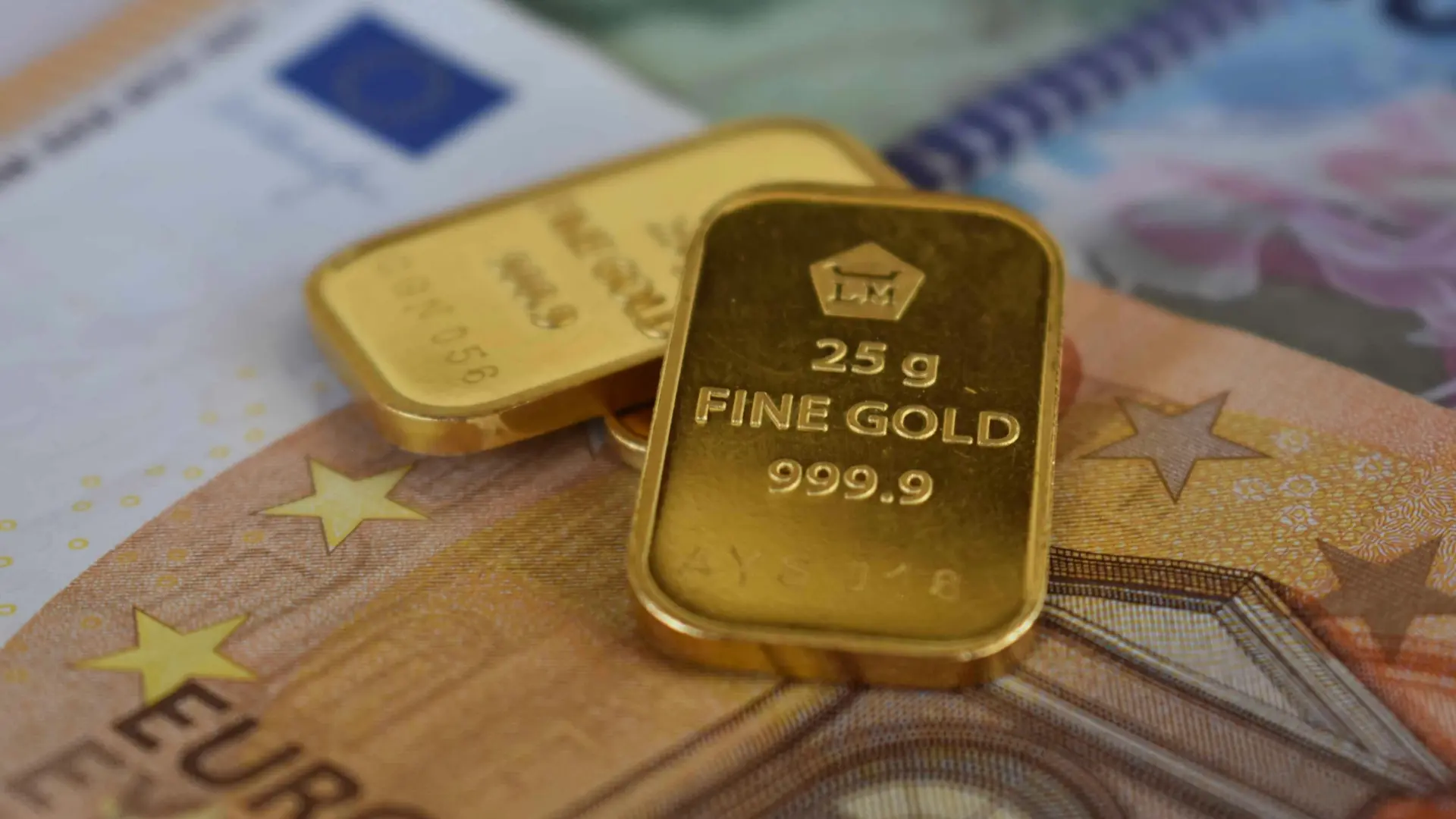
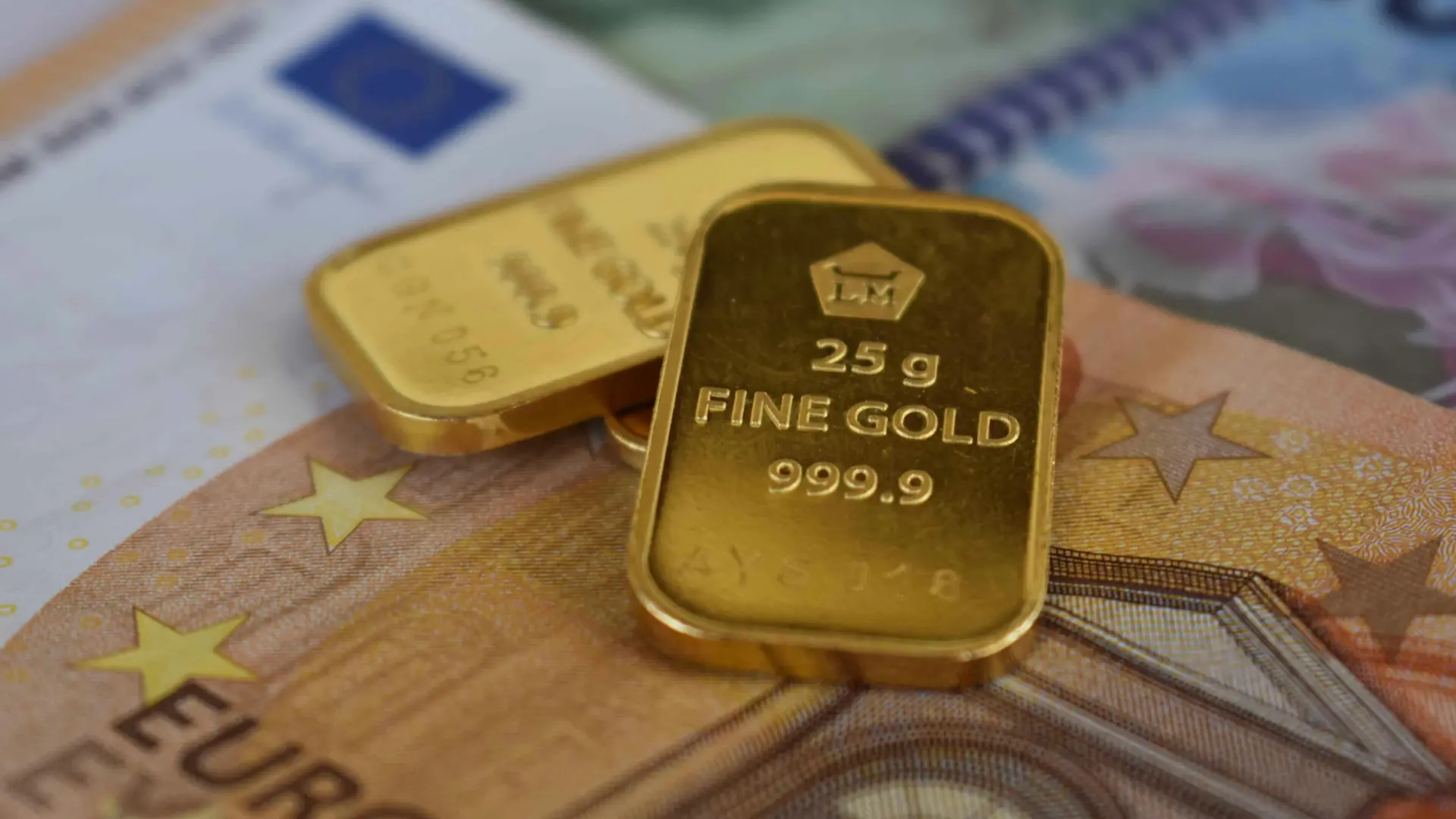
Analysts are clear: there are “powerful” compelling reasons for the price of gold keep doing well and break new all-time highs. A few months ago, they pointed out that this precious metal could cross the $4,000 barrier, a threshold that it crossed for the first time last October and that blew up its record, reaching above $4,300 intraday. With the price stabilized above that range for several days, attention turns to whether it is possible to reach a new record with an eye on 2026. The managers’ response is affirmative.
“Historically, the Gold has appreciated 10% annualized“says Matthew Michael, commodities and emerging debt analyst at Schroders. Under this premise, they calculate revaluation expectations of between 10% and 15% annually, which would place the cost per ounce at $4,500. “We expect gold to continue gaining ground next year, but it will likely be part of a diversified investment portfolio that allows overcoming the adjustment of fixed income in developed marketsas debt yields rise,” he said.
“Although the gold usually performs well when investors seek refuge from market volatility, it can also suffer in the short term if traders are forced to liquidate leveraged positions,” he explains. The British manager is placed on the lower side compared to other analysis houses such as Bank of America (BofA)from which they predict it could even reach $6,000 next spring. Gold “continues to feel the weight of risk aversion in the heat of the variable income, in which increasing volatility forces us to reduce leveraged positions,” they say from Saxo Bank.
So far this year, this raw material has accumulated a ‘rally’ of almost 55%, going from 2,624.5 dollars an ounce to exceed 4,070 dollars. If this trend is maintained, it is on its way to closing its best year since 1979, when the advance reached 126%, sponsored by tensions. geopolitics and trade, the weakness of the dollar and the expectation that the Federal Reserve (Fed) will undertake new interest rate cuts.
The market sees in this metal a way to avoid sovereign debt and currencies and thus protect themselves from growing budget deficitswhile the massive purchases carried out by central banks also drive its price up. From Goldman Sachs they venture that they will maintain the buying fever. “We consider the high accumulation of gold by central banks as a multi-year trendsince they diversify their reserves to cover geopolitical and financial risks,” they highlight.
To put it in context, the organizations in charge of monetary policy gathered approximately 64 tons of goldtripling the figure from August. China alone added 15 tons to its reserves. “This reflects the desire of central banks to depend less on the dollar as a reserve currency,” Julius Baer points out. The Swiss manager predicts that this behavior should last between three and five years, to which it reiterates its “constructive long-term vision on gold” and hopes for a long-term objective. three months of around $4,150 per ounceto scale to 4,500 during the fourth quarter of 2026.
with the market pending US data avalanche After the reopening of the US administration, one of the determining data in this sense is the publication of the evolution of employment for September, which could alter the economic forecasts and the Fed direction on monetary policy. The risk that they will be worse than expected and force the North American central bank to stop cuts in the price of money could put a dent in gold, which already experienced a halt in October. In any case, the experts consulted believe that falls, if they occurwould be consolidation rather than correction in the market.