from the fall of a giant to Trump’s aspirations

The economy, and more specifically natural resources, are one of the key pieces of the ‘Absolute Resolution’ operation, which was sealed early Saturday morning with several attacks on Venezuelan military objectives and with the arrest of Nicolás Maduro. Control of the country’s oil production is essential in the US efforts to avoid a diesel supply crisis in its own territory. Its president, Donald Trump, had already made it clear on numerous occasions that they are going to be “very involved” in the oil industry of their southern neighbor.
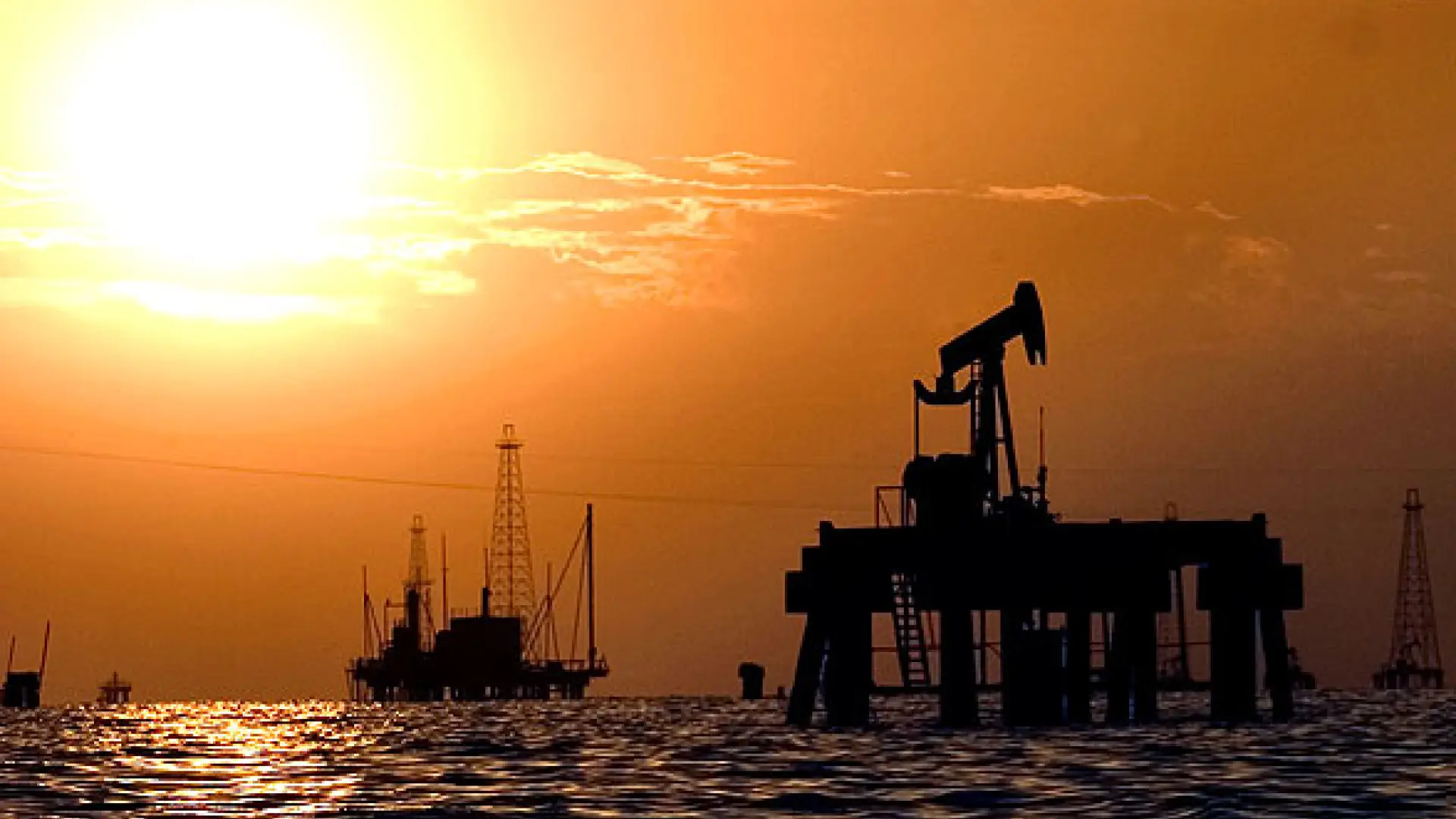
Venezuela has the largest proven oil reserves in the world ahead of Canada, around 303 billion barrels, according to estimates by the US Energy Information Administration (EIA) and, however, it barely reaches 0.8% of global production of ‘black gold’ with one million barrels per day. This amount represents a quarter of what the country produced before Hugo Chávez came to power more than two decades ago (1999). Since then, what was one of the most powerful industries on the planet – after the first oil crisis (1973) and well into the 90s – has been hit by a lack of investment and maintenance, the economic crisis and the effects of sanctions.
Currently, the Venezuelan oil fields operated by foreign companies represent only a small part of the total, explains to this newspaper Ignacio Urbasos Arbeloa, researcher in the area of Energy and Climate at the Elcano Royal Institute, who sees difficult for the situation to be reversed and that Venezuela will once again be the oil power of yesteryear, at least in the short term. The expert remembers the cases of Libya and Iraq. The first has not recovered the production levels prior to the fall of Muammar Gaddafi in October 2011; and the second has taken more than a decade to achieve after the 2003 war.
“Venezuelan oil is heavy and of low quality, it is not particularly easy or cheap to produce. If it costs Saudi Arabia $4 to produce a barrel, Venezuela has to dedicate no less than 25 dollars“explains the Elcano expert. Over the last two decades, abandonment has meant that the infrastructure that allowed it to be mixed with lighter crude oil has been lost. International companies do have that capacity, but their activity in the country has been subject to significant restrictions.
The crude oil that the US extracts via fracking is very light and is mainly used to make gasoline. However, North American refineries in the Gulf of Mexico can process heavier oil and it is, in fact, with which they “get the most performance out of the facilities they have,” adds Urbasos. This heavier crude oil is essential for the production of diesel, asphalt and the fuels that are required throughout the planet to operate heavy machinery, airplanes, ships…
Washington’s rush and its own diesel crisis
The world’s largest economy is also the largest global producer of crude oil with around thirteen million barrels per day. However, its consumption is much higher, around 21 million barrels, which forces the US to import close to 40% of the oil it needs. Hence Washington be in a “certain hurry” to gain control of Venezuelan raw materialspoints to Economic Information Antonio Turiel, doctor in Theoretical Physics, expert in energy policy and economics and researcher at the CSIC. Furthermore, a good part of what it puts on the market is that light oil with which it can barely make diesel and the shortage of this fuel raises fears of a “shortage crisis,” he warns.
However, experts agree that what lies ahead is a long and complex process. “We do not know what the US’s commitment to the transition will be or if the regime change will be harsh (…) The arrival to power of Corina Machado, for example, could be the catalyst for a significant investment in the sector by the US, but not before three or four years,” adds Ignacio Urbasos.
Everything will also depend on whether the new government maintains tight control over this industry or opts for an opening process. Venezuela is subject to a strong restriction on the entry of dollars. “If that changes, investment and oil sales increase, they manage to stabilize inflation (The IMF estimates that the accumulated inflation could be 269.9% at the end of last year) and dollars enter. a very intense recovery of the Venezuelan economy“comments economist José Carlos Díez.
We will have to see the reaction of international markets starting Monday, given that oil futures markets are not traded on the weekend. The barrel of Brent, the reference crude oil in Europe, ended Friday at $60.75; while the American West Texas Intermediate did so at $57.32.