Have a coffee at my clothing store. Let’s eat today at the supermarket
Some of the main food and textile retailers have long denied the well-known expression of the former President of the Government, Mariano Rajoy, that “a glass is a glass and a plate is a plate.” Regarding clothing stores and some of the main supermarket chains, it has long been the formats are more flexible. For Alberto Iglesias, sales manager of NielsenIQ, “we are seeing how retailers and hospitality are breaking barriers.” What relates to the “evolution of physical stores” and the transformation of this channel. Cafeterias inside renowned clothing stores, restaurant areas inside hypermarkets, a section of prepared dishes that can be consumed on the premises or the option of having a freshly brewed coffee at the neighborhood supermarket. Shopping already involves a bouquet of experienceswhich go beyond the classic.
The Retail and Consumer partner at Simon-Kucher Iberia, Javier Rubio, points out that “online shopping has made it possible for the customer to purchase almost any product from home. Therefore, The physical store needs to offer something that the digital channel cannot: shopping experience, human interaction and immediacy.” Along these lines, this expert explains, the new store concepts that are emerging make it possible to increase the time spent in the establishment: “If the customer spends more time, they tend to buy more complementary products and increase the average ticketwhile generating a deeper connection and bond with the brand,” says Rubio. In short, it is about turning a traditionally routine action into a more pleasant experience. In addition to attracting new customer segments (young urbanites, workers with little time available, etc…) and betting on diversification to position itself against the competition.
“Online shopping has made it possible for the customer to purchase almost any product from home. Therefore, the physical store needs to offer something that the digital channel cannot: shopping experience, human interaction and immediacy”, Javier Rubio (Simon-Kucher Iberia)
From coffee to ‘Bistro’
Since large-scale food distribution, initiatives have been multiplying. The first supermarket chain in Spain, Mercadonapromoted last March the possibility that in 58 stores of its commercial network in Valencia the ‘boss’ (as they call their customers) can take a freshly made coffee (black, cut, with milk and cappuccino). A way of strengthen your ‘Ready to Eat’ sectionone of the great strategic bets of the distribution group chaired by Juan Roig. Sources from the brand point out that “we have implemented the freshly ground coffee machine in some stores in Cuenca, Madrid and Valencia, where we are having very good acceptance by the ‘Bosses’, since we have a coffee of great quality, which little by little is becoming known.” Javier Rubio (Simon-Kucher Iberia) remembers that Juan Roig has said that ‘in the future there will be no kitchens in homes’, which in his opinion reflects “where the sector is heading: supermarkets converted into gastronomic and social spaceswhere the experience replaces the routine of shopping.” This analyst indicates that other supermarket chains such as Carrefour and Ametller Origen are going in the same direction “with light restaurant areas, ready food and hybrid concepts that integrate fresh food, cuisine and convenience.”
Another example of ‘mestizaje’, leaving behind the traditional concept of a hypermarket or supermarket, is the Alcampo ‘Bistro’ which combines cafeteria service, the option of prepared dishes to take away and a space to consume them within the same establishment. A meeting point that he created in 2017, after the opening of his hypermarket in Sant Quirze in Barcelona. An ideal space for a quick breakfast, coffee or a complete dinner while you do your shopping for the week. This format can offer up to 610 different dishes in one year in those larger bistros, according to the company. From Alcampo they point out that all the recipes are their own and exclusive created by the team led by executive chef Bárbara Buenache. Specifically, in the kitchens of this supermarket chain, they prepare more than 250 dishes and over 100 snack recipes. In addition, more than 20 new dishes are added each year.
The Alcampo ‘Bistró’, which combines the cafeteria service, the option of prepared dishes to take away and a space to consume them, is already present in 19 of the group’s hypermarkets in Catalonia, Madrid, the Canary Islands, Galicia, Valencia and Castilla y León
The supermarket chain estimates that this format has an average influx of about 9,000 customers dailyhighlighting the center located in La Vaguada (Madrid) with an estimate of 800 clients served per day. In total, more than 350 people work on this project. At the close of this article there are bistros in 19 hypermarkets of Alcampo in Catalonia (Sant Quirze, Sant Boi, Esplugues…), Madrid (Vaguada, Getafe, Moratalaz and Alcobendas), Canary Islands (La Laguna, La Orotava and Telde), Galicia (Ferrol, Vilagarcía de Arousa and Vigo III), Valencian Community (Vistahermosa in Alicante) and Castila and León (Burgos).
Beyond filling the refrigerator
For the Retail and Consumer partner at Simon-Kucher Iberia, Javier Rubio, “there is a convergence between food and restaurants: the concept of ‘supermarket’ is beginning to coexist with that of ‘merchant’“, which defines a store as more prepared food or to eat there, and which maintains that it seeks to respond to the needs of convenience and experience. In parallel, Rubio notes the growing echo that smaller formats find in the interior of urban areas and “the greatest presence in urban environmentsas a strategy to be closer to the customer.” Regarding the future, he concludes that “food retail is evolving towards a hybrid molding, where the store becomes a space for consumption, socialization and experience.”
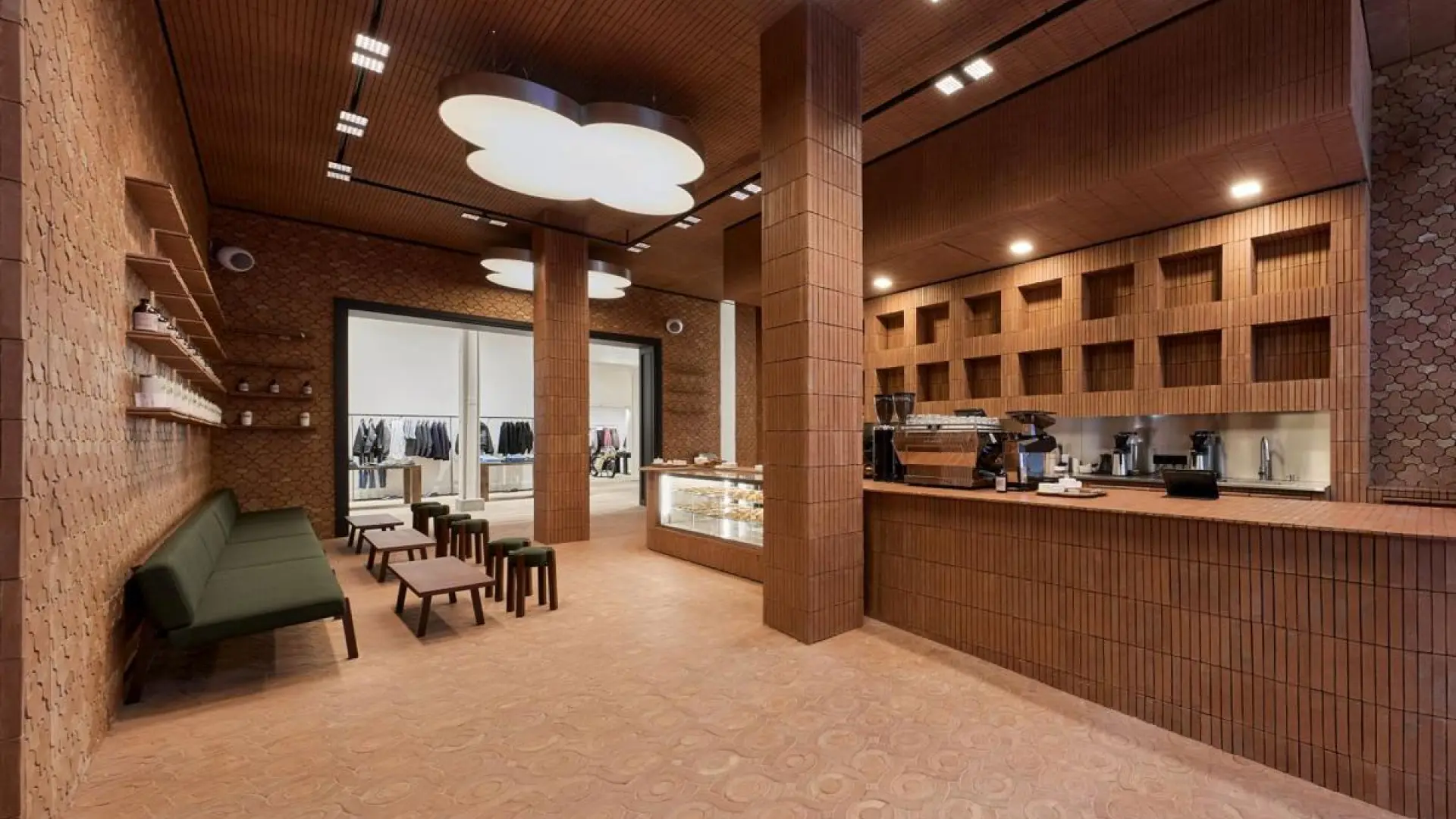
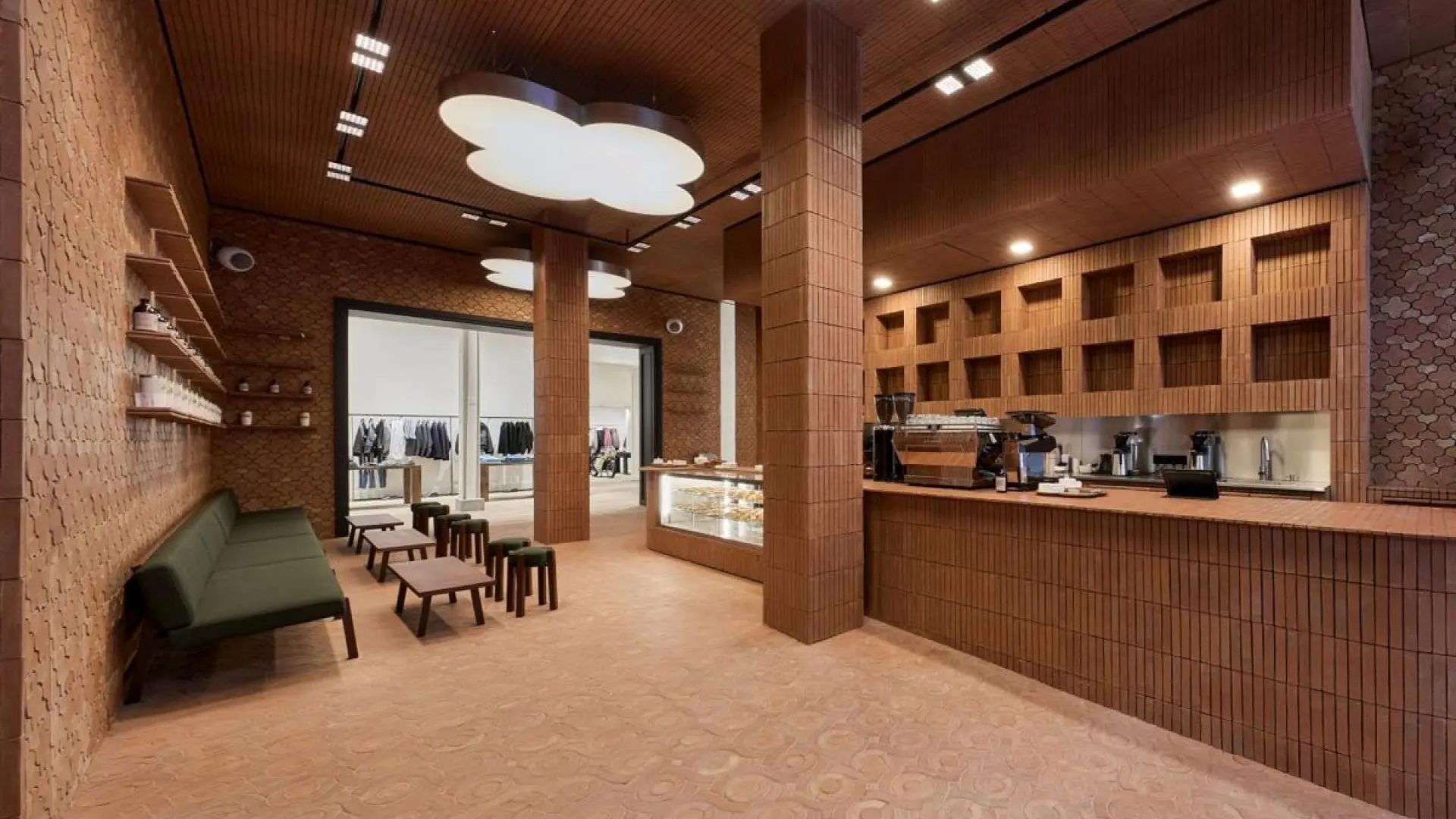
Inditex, which promotes a differentiated consumer shopping experience with its brands, has recently promoted two initiatives that ‘break’ with the traditional mold of a clothing store: ‘Zacaffé’, a cafeteria space, and ‘El Apartamento’, a shopping concept that combines personalized attention and catering with the display of selected products
The textile also moves
In textiles, formats are also becoming more flexible. With the focus on offering its clients a differential purchasing experience with their brands and from the most diverse angles (omnichannel, logistics, the purchasing process, store flows, interior design, etc…), in Inditex (Zara, Zara Home, Massimo Dutti, Oysho, Bershka, Pull & Bear…) have launched initiatives such as Zacaffea cafeteria space that seeks to combine lifestyle and fashion. A service that is present in the Zara Man store on Calle Hermosilla in Madrid and in locations such as Osaka (Japan), Seoul (South Korea), Nanjing (China) and Kuwait.
The textile giant has also been promoting a different purchasing concept, through ‘The Apartment’, a space organized like the rooms of a home, in which a selection of items from Zara and Zara Home are displayed, as well as pieces from antique shops and works of art. Apart from more personalized attention, this new concept also offers a cafeteria space to socialize. A format that already exists in places like To Coruñain Paris (Zara Home) and, since last September, in Madrid (‘Serrano 23’).