How much cash should you keep at home? The recommendation of the European Central Bank in case a blackout occurs

One of the latest reports of European Central Bank (ECB) has stressed the importance of having cash in homes. Recent global crises such as the Covid-19 pandemic, the invasion of Ukraine or the blackout that occurred in Spain on April 28 have highlighted the need to have cash in emergencies. This is what he has made known in his article: “Preserve calm down and carry cash: lessons on the exceptional role of physical money in four crises“.
In this section of the report, the ECB has delved into the importance of cash during crisis stages and emergency. In this sense, the main institution that manages the monetary policy of the countries that use the euro as currency, has been able to verify that in times where stability is threatenedcitizens trust cash.
Mainly, they do for its accessibilitywithout having to depend on digitalization, especially when it can be violated. Likewise, cash has always stood out for your privacy and the certainty of its value. In this sense, researchers have highlighted that citizens have greater control of your transactionsas happened in Spain during the blackout.
Cash is the perfect ally in times of crisis
The authors of the article have exemplified the importance of cash by focusing on the electricity blackout that the Iberian Peninsula suffered on April 28, 2025. In this sense, it became a reliable form of payment when the digital system stopped working. In fact, at that time e-commerce turnover fell by 54% and credit card spending plummeted by 42%.
“This event transformed cash, which was one payment option among many others, into the only means of purchase for many of the people who owned it or could access it, since existing banknotes were still perfectly functional even when digital systems and many ATMs were not working,” they point out from the report.
The same has happened in other times of crisis. world such as the COVID-19 pandemic, which caused an increase in demand for banknotes. Just as in the invasion of Ukraine or the crises in Greece, where, according to the report, cash was a “stable store of value.”
How much cash should you have at home in case of emergency
Without a doubt, the blackout has been the closest event that has shown how important it is to have cash. Since then, many citizens have become aware and have decided to keep some bills in their wallets in case the systems fail. However, the ECB already warns that some countries could be creating ATMs that do not fail and thus always have cash. But, What is the recommended amount to keep at home in case of crisis?
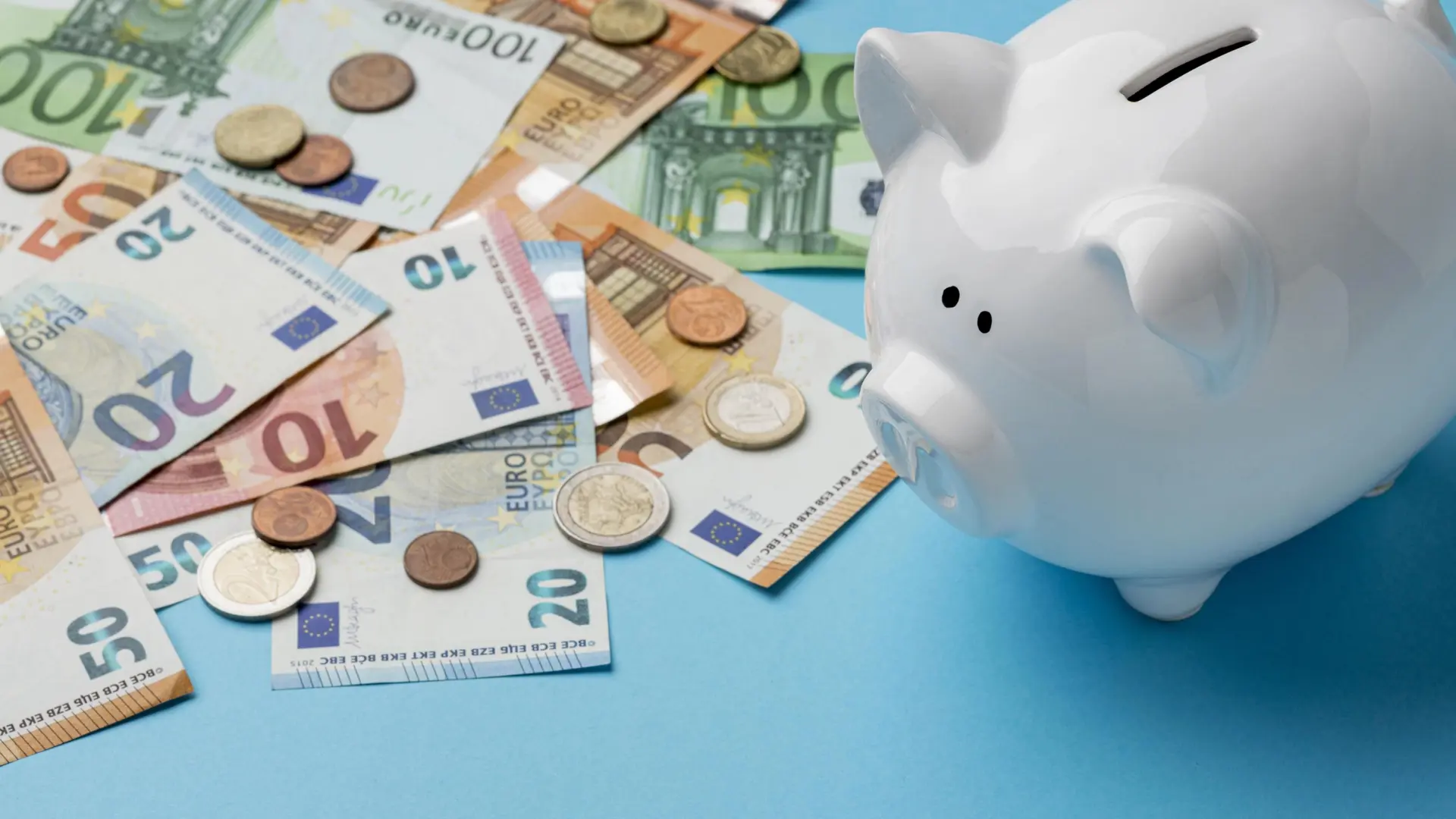
The European institution recommends having a cash reserve of 70 to 100 euros per person or, at least, 72 hours of supplies. With the sum of this amount, whether the family unit has two, three or four members, it would be enough to cover the main needs for at least three days.