The Nobel Prize in Economics awards Makyr, Aghion and Howitt for explaining how innovation and technology drive sustained economic growth
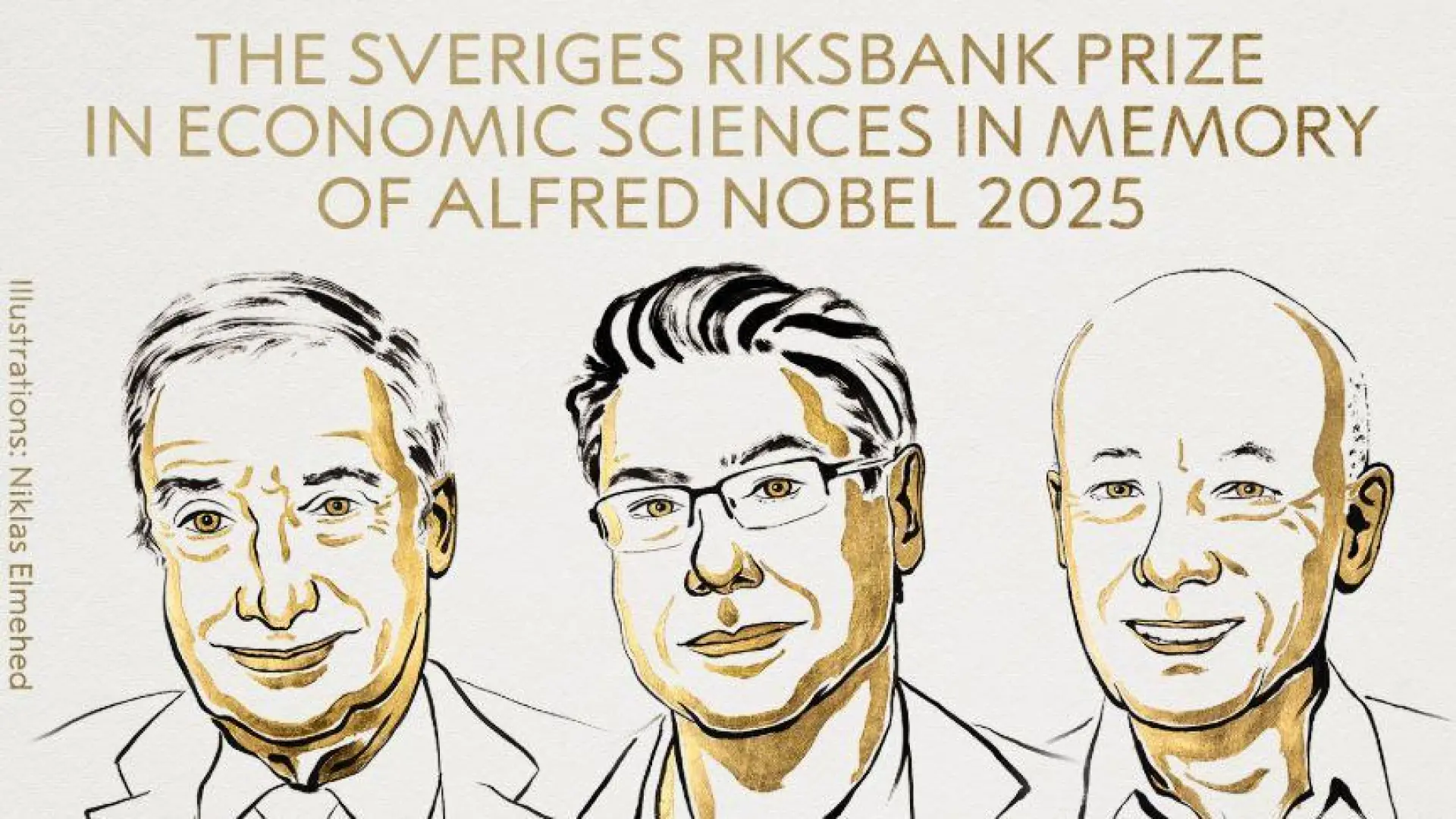
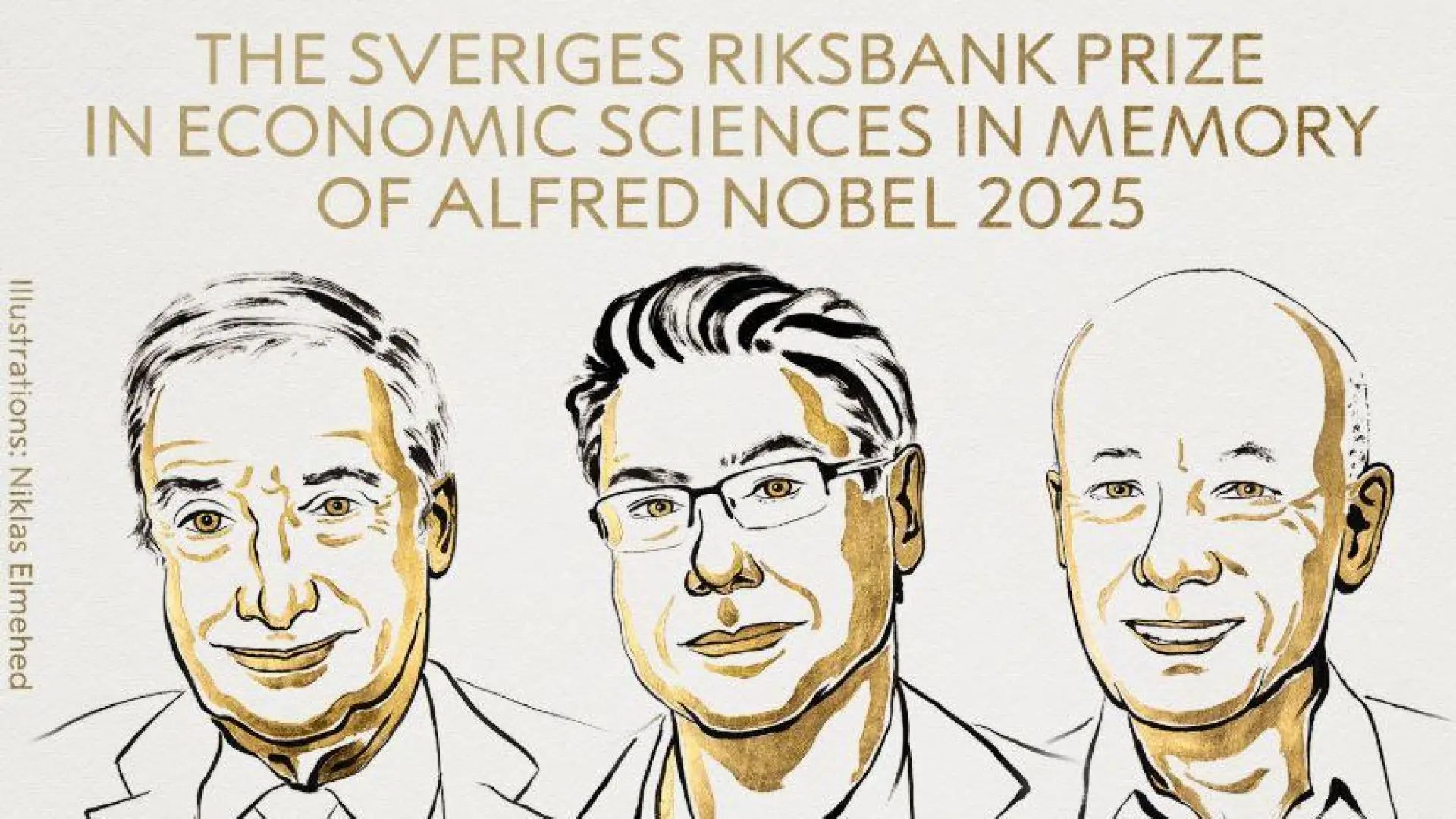
The Royal Swedish Academy of Sciences has decided to award the Alfred Nobel Memorial Prize in Economic Sciences (popularly known as the Nobel Prize in Economics) to Joel Mokyr, Philippe Aghion and Peter Howitt for explaining How innovation drives economic growth. In the case of Mokyr, they appreciate that he has identified the prerequisites that are necessary for sustained economic growth to occur “through technological progress” and Aghion and Howitt his theory of sustained growth through “creative destruction.”
Over the past two centuries, for the first time in history, the world has experienced sustained economic growth. “This has lifted a large number of people out of poverty and has laid the foundations for our prosperity,” the jury notes in its ruling. Technology advances at a dizzying pace and affects us all, with new products and production methods replacing old ones in an endless cycle. “This is the basis for sustained economic growth, which translates into a better standard of living, health and quality of life for people around the world.”
This has not always been the case, since stagnation has dominated most of human history, despite the important discoveries that have emerged over the centuries. Joel Mokyr used historical sources to discover why sustained growth is becoming the new normal. He showed that if innovations are to follow one another in a self-generating process, we not only need to know that something works, but also that we need to have scientific explanations of why. This was often lacking before the industrial revolution, making it difficult for new discoveries and inventions to appear. He also emphasized the importance of society being open to new ideas and favoring the process of change.
Philippe Aghion and Peter Howitt also studied the mechanisms behind sustained growth. In a 1992 article, they built a mathematical model to explain the creative destruction: When a new, better product enters the market, the companies that sell the older products lose. Innovation represents something new and is therefore creative. However, it is also destructive, as the company whose technology becomes outdated is overtaken.
In a different way, the winners show how creative destruction creates conflicts that must be managed constructively. Otherwise, innovation will be blocked by established companies and interest groups who risk being disadvantaged. “The work of the awardees shows that economic growth cannot be taken for granted. We must defend the mechanisms underlying creative destructionso that we don’t fall back into stagnation,” says John Hassler, chair of the Economics Prize Committee.
The theory of creative destruction was originally formulated by economist Joseph Schumpeter, who explained how economic progress arises from a constant innovation processwhere new technologies, products and business models are displacing and replacing the old ones.
Last year this award went to Daron Acemoglu, Simon Johnson and James Robinson for demonstrating the importance of social institutions in the prosperity of a country, under the premise that those with a deficient rule of law and institutions that exploit the population do not generate growth or improvement.
The Nobel Prize in Economics, which is actually called the Prize in Economic Sciences in memory of Alfred Nobel, It is the only one of the six awards that was not created at the time by the Swedish magnate. It was established in 1968 from a donation to the Nobel Foundation from the National Bank of Sweden on the occasion of its 300th anniversary. Since then, only three women have won this award, the only Nobel Prize along with that of Physics that has never had a Hispanic American winner. The winners of all the Nobel Prizes share the 11 million Swedish crowns, around 1 million euros at the current exchange rate, with which they are endowed this year.