IAG tenses the pulse with Heathrow due to the increase in costs derived from its expansion plans
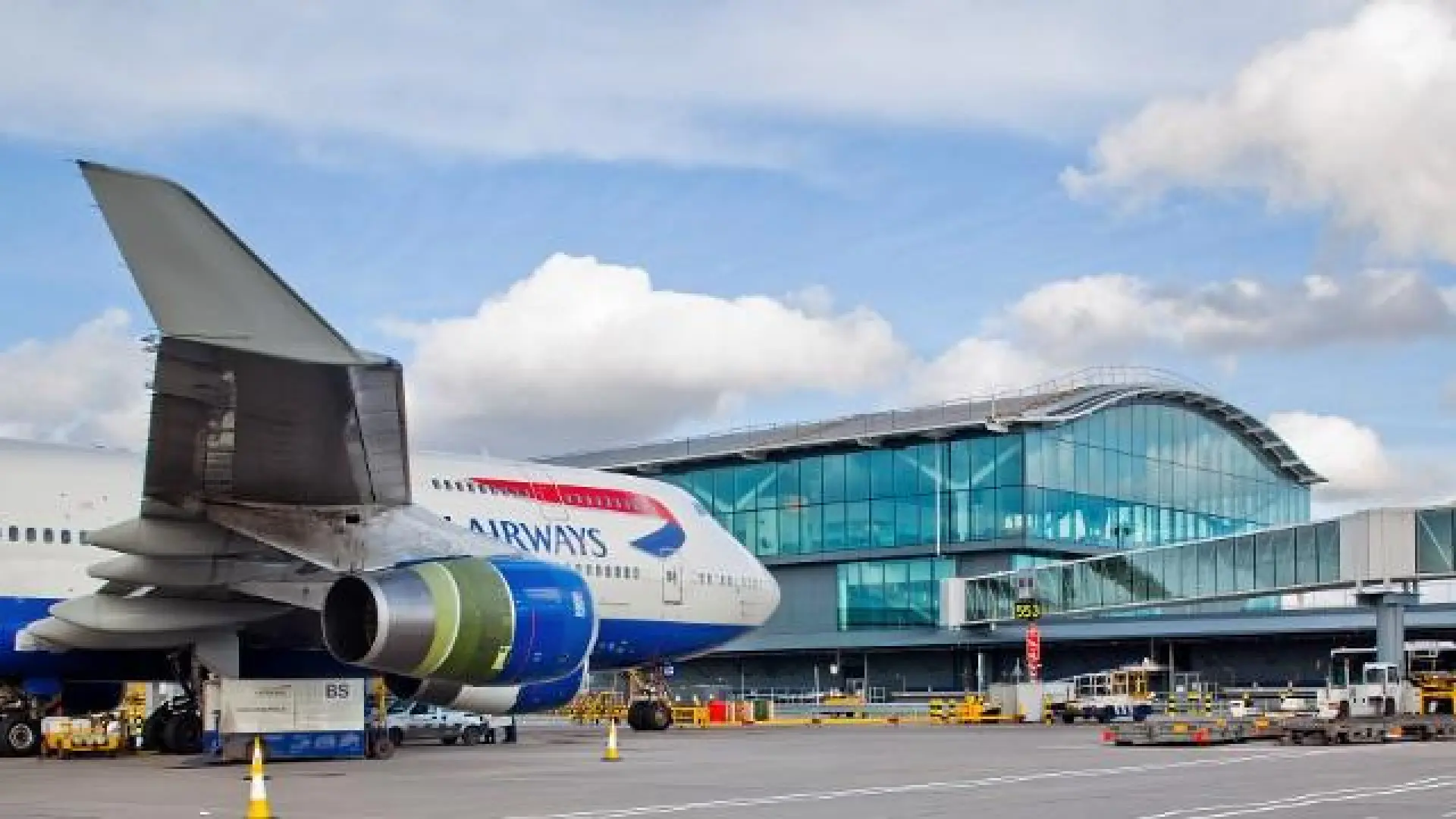
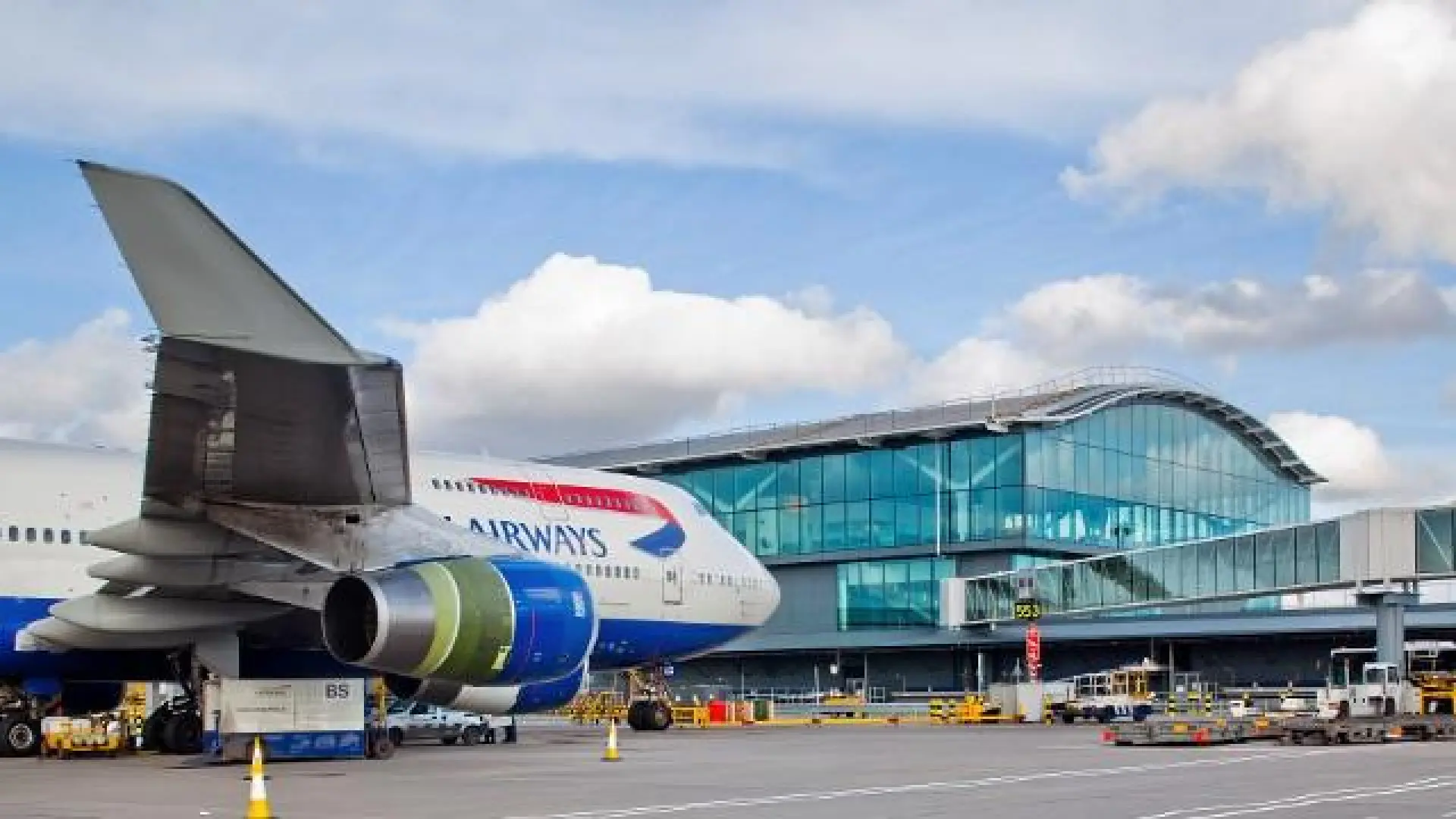
The ambitious expansion plan projected for Heathrow Airport (London) has strained the relationship between authorities and airlines due to the heavy cost burden contained in the plan, budgeted at up to 49 billion pounds (just over 55.6 billion euros at the current exchange rate) to build a third runway to alleviate the saturation faced by the infrastructure. If two weeks ago it was the airline alliance IATA that warned that the costs of the project will make the airport “unaffordable in both the short and long term”, now It is the IAG group that questions its attractiveness if airport taxes are not controlled.
The truth is that the consortium that brings together airlines such as British Airways, Iberia, Vueling, Aer Lingus and Level has been expressing its rejection in recent months of the tariff policy proposed by the London airport to pace its expansion. Months ago, he already described as “excessive” the increase in fees that he proposes charging airlines up to 33.26 pounds per passenger in the period 2027-2031, compared to the 28.46 pounds they pay in the current regulatory period and now. calls into question the competitiveness of the aerodrome given the voluminous private financing that its expansion will entail.
It should be noted that the development of a third runway and a new air terminal has several proposals. The first, led by the infrastructure operator itself, plans a 3,500 meter long landing strip, which would involve diverting the M25, under the aforementioned budget. The second, presented from Arora –British reference for hotel and real estate development in the United Kingdom – proposes a 2,800-meter runway, which would exempt the need to move the highway and, therefore, reduce the costs of the project.
In this scenario, the Spanish-British consortium advocates a shorter landing strip. “I think we should look at the possibility of building a shorter runway,” British Airways chief executive Sean Doyle urged during an industry conference this week in London, before warning of the impact on its competitiveness: “We are part of a group and the group allocates capital based on performance. There will be debates about competitiveness and airport charges when it comes to how IAG allocates capital. “We’re not there yet, but that’s why, for everyone’s sake, a competitive Heathrow is very important.”
The airline that maintains the bulk of its operations at Heathrow even warns that “if Heathrow stops being competitive and that affects the performance of a company like British Airways, there will be opportunities to invest that capital elsewhere“. “Madrid is booming, with Iberia posting very solid results, and Barcelona is an expanding market in which we have a very strong presence. Dublin has built a new runway with a million-dollar investment, so there is room for improvement there,” Doyle himself highlighted.
The discrepancy between airlines and authorities was latent at the same event, organized by Airlines UK, Bar UK and IATA, when the CEO of Heathrow, Thomas Woldbye, insisted that the detour of the motorway was “inevitable” to build a third runway to provide the necessary increase in capacity after alleging that the hotel company’s plan involves greater demolition of homes, compared to its proposal. It so happens that last February IAG put together its claim with Arora, Virgin Atlantic and the Heathrow Air Operators Committee (AOC) to present to the regulator an urgent review of Heathrow’s regulatory system in order to stop the upward spiral faced by airport charges at Europe’s main airport.