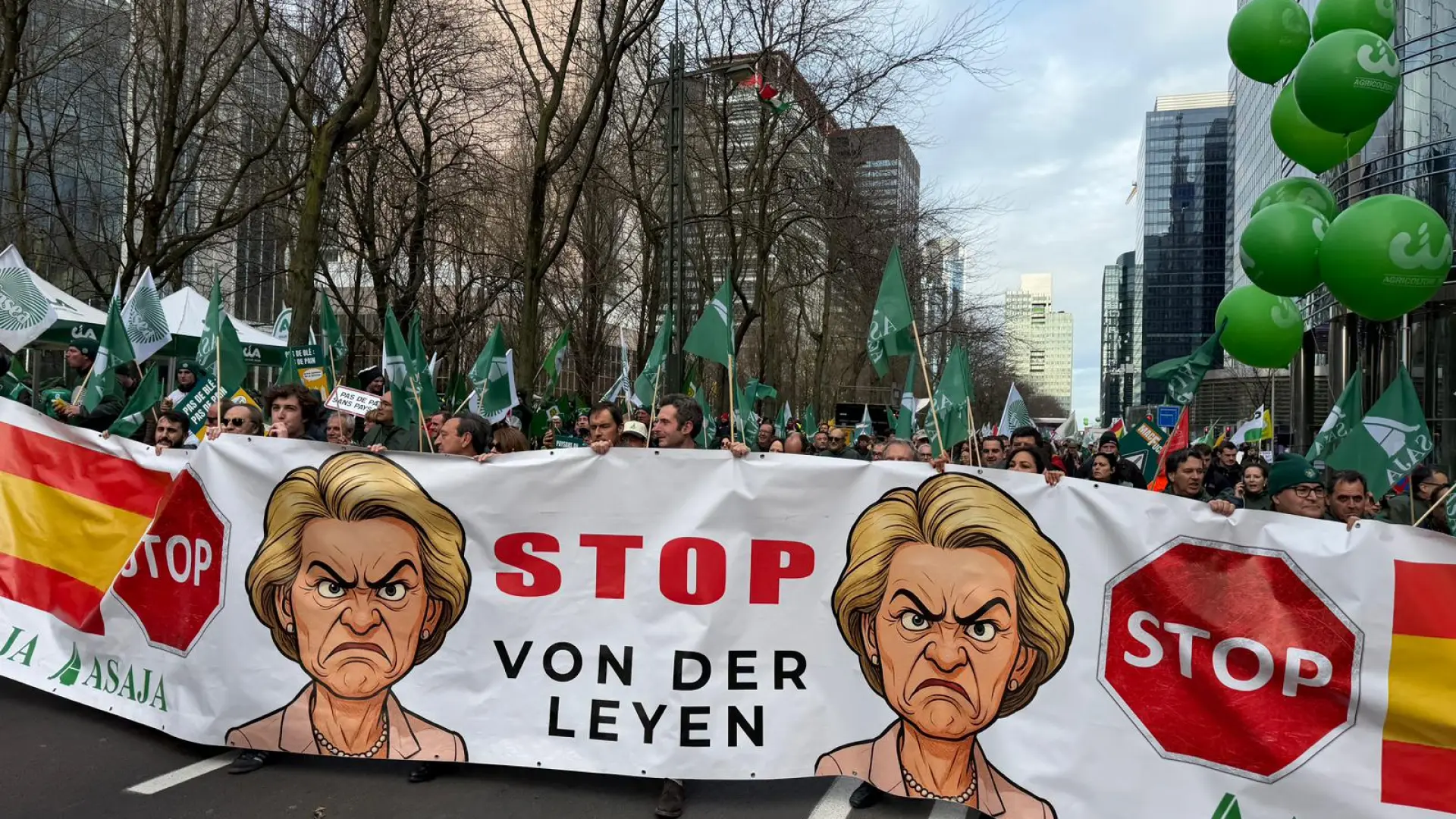
“If we have to be in the capitals and streets of our country, we will be”
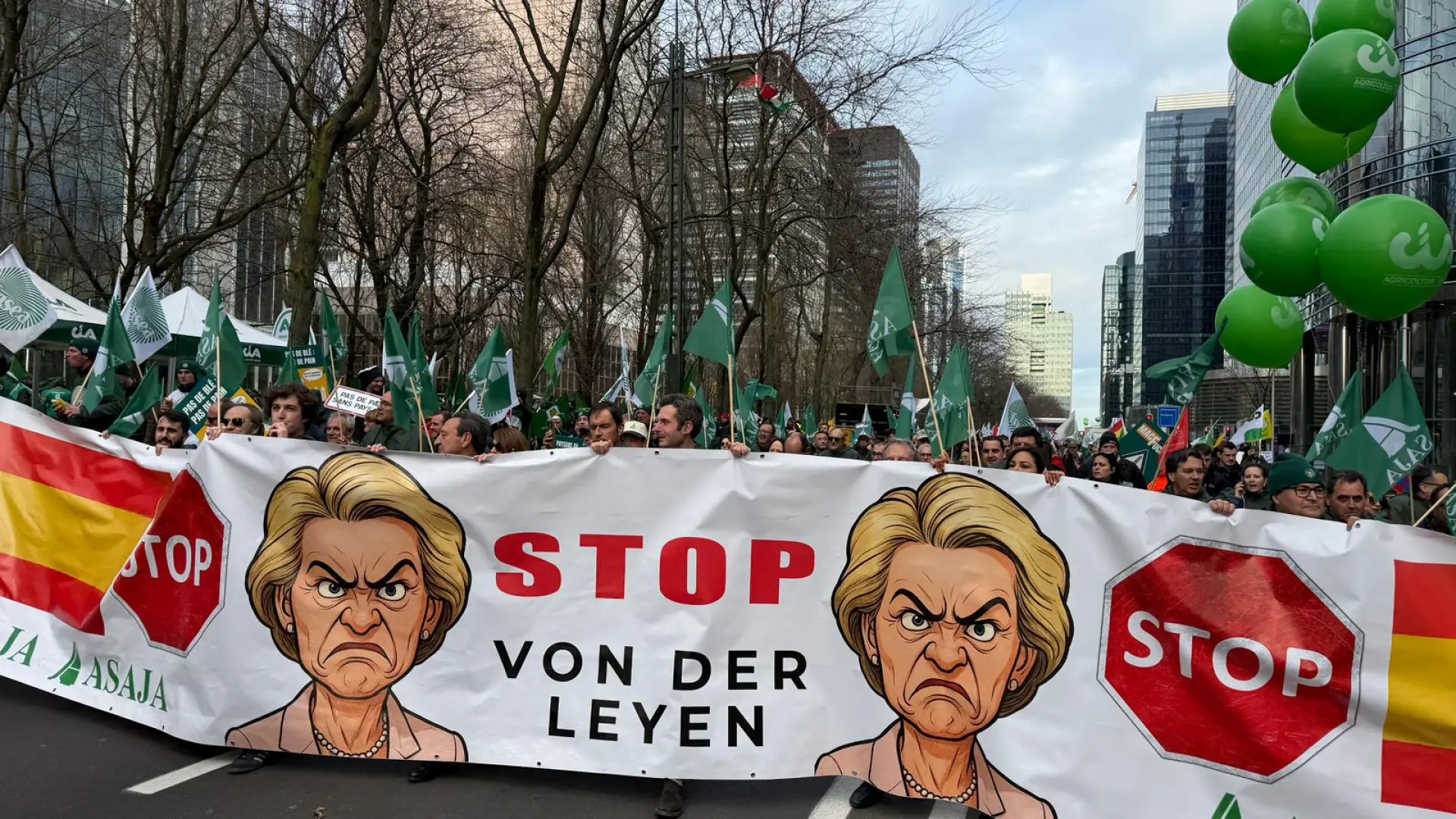
The European field is making its voice heard forcefully in the streets of Brussels this Thursday. More than 10,000 farmers and ranchers of the 27 countries that make up the European Union, including around 500 Spaniards, have joined in a march that concluded in Luxembourg Square in Brussels where the European Parliament (EP) is located. The rejection of the proposed 22% cut in the funds of the Common Agricultural Policy (CAP)as well as the opposition to the ratification of the trade agreement with Mercosur, and the demand for a true simplification of the CAP in matters such as the use of fertilizers or phytosanitary products, permeates a historic call. The president of Asaja, Pedro Barato, has been one of the voices of Spanish agriculture in this protest day together with the top officials of COAG, Miguel Padilla, and UPA, Cristóbal Cano: “If we have to return to Brussels, we will return. If we have to be in the capitals and streets of our country, we will be there,” stated the former, opening the doors to future mobilizations.
Barato has been very critical of the president of the European Commission, Úrsula Von der Leyen and her proposal to cut funds from the Common Agricultural Policy (CAP): “It is the ruin of the European countryside and of the Spanish countryside in particular. I think they are putting food security and the CAP at risk,” said the head of Asaja, who regrets that billions of ‘Next Generation’ funds have been returned. The leader of this agricultural organization has reiterated that “we have come to say ‘enough is enough’ to Mrs Von der Leyen (President of the European Commission) to put order, because what she committed to in 2024 when we were in the street. He has not accomplished anything,” he denounced.
The head of Asaja has not ruled out that Spanish farmers will have to return to the roads and pointed out that the Commission’s budget cut proposal means“the ruin and death of the agricultural sector, of all types of exploitation.” What has contrasted with the good work of farmers and ranchers in cases like the last photo of African swine fever (ASF). “Things are being done really well in health matters,” he stressed.
Criticism of Mercosur
The vice president of the largest European agricultural organization, COPA COGECA, has attacked the trade policy promoted by the European Commission and gave two examples: beet and the “hormonated meat” from countries like Brazil. Regarding the former, he has recognized that European regulations prohibit the use of certain phytosanitary products that are permitted on the other side of the Atlantic, while regarding meat he regrets that “Brazil has recognized that it is not capable of controlling this issue”. Even though he admitted that crops such as wine and olive oil may have an opportunity in this trade agreement, he recalled that “there is a transition period of 9 years for the first and 12 years in the second case.” That is, the reduction in tariffs will be progressive in both cases.