Renewable and indigenous energy for a sustainable future in Spain
In a society increasingly concerned about caring for the environment and aware of its responsibility in the fight against climate change, it is important provide alternatives to be able to decarbonize sectors such as energy. Sometimes, we look to the future looking for solutions when, in reality, some of them are already part of our present.
A good example is green gases, such as biomethane and green hydrogen, produced from organic waste and renewable electricity and water, respectively. The biomethane industry has been with us for more than 50 yearsit is already a mature, affordable and storable technology, but it still needs a boost like that given in neighboring countries.
Spain is the third European country with the highest biomethane production potential. According to a study carried out by SEDIGAS, We could supply with biomethane the equivalent of 40% of the national demand for natural gasdecarbonizing 100% of domestic consumption and 62% of industrial consumption and saving the emission of 8.3 million tons of methane.
What is biomethane?
biomethane can solve several current problemssince it is economically and socially sustainable, it contributes to providing security of supply to the system and allows decarbonization.
First of all, it is a gas from renewable sources that is characterized by not generating carbon emissions. In the specific case of biomethane, convert waste urban, agricultural, livestock, agri-food industry and wastewater purification into an energy source. In this way, it promotes the circular economy with the optimization of waste and, in addition, organic fertilizers are also derived from the process that complete the circle.
Biomethane enhances the circular economy and waste optimization
As part of its differentiating advantages are that It is easy to store and offers flexibility that do not have other energies, being the only renewable source that can be generated 24 hours a day, 365 days a year, providing stability to the supply.
In addition, biomethane is emerging as a key to decarbonizationsince it does not generate polluting emissions and can be used as a direct alternative to natural gas as it has similar qualities. Its application can be the same and it can also be distributed through the current existing gas infrastructure at no cost to citizens.
Apply biomethane on a daily basis
A fundamental role in promoting biomethane is being played by Nedgia, the gas distributor of the Naturgy group, through a gas infrastructure made up of a network of more than 60,000 kilometers with which it could deliver green gas immediately to more than 5.5 million consumers spread across 1,150 municipalities and 10 autonomous communities. 80% of the green gas potential in Spain is currently concentrated in the Nedgia networkwith 13 production plants (5 of which have begun injecting this year) and already adding requests to inject green gas into its network equivalent to the consumption of one million homes.
Today Today all boilers are prepared to operate 100% with biomethane without the need for any investmentwhich minimizes the cost of decarbonization for citizens and industry. For this reason, most homes welcome this renewable gas. According to a study carried out by Salvetti LLombart for Nedgia, Naturgy’s gas distributor, 72% of those surveyed consider that this energy source fits their needs and 65% consider it different from other renewable energies because it is a continuous and non-seasonal energy source.
The gas network is more efficient energy transportation and distribution infrastructure in economic terms. Adequate remuneration for the natural gas networks, which allow its transportation and distribution, is essential to guarantee the maintenance, expansion and modernization of this critical infrastructure.
With momentum, biomethane can be converted into a clean, indigenous energy source
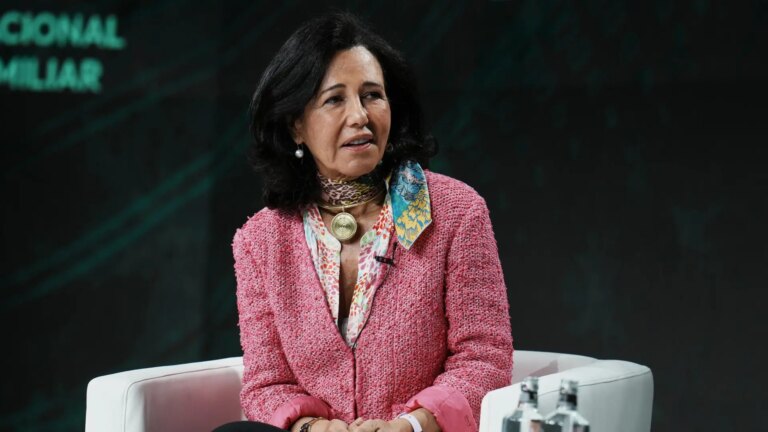
“Biomethane is today a real alternative to advance a sustainable energy transition from the environmental, economic and social point of view. Only with 30% of the potential of this green gas that we have in Spain could we decarbonize the entire housing stock without the owners having to make any investment,” explains Raúl Suárez, CEO of Nedgia.
Biomethane in Spain
In the aforementioned survey, among the aspects most valued by consumers, the following stood out: the increase in energy autonomy in Spain. The draft of the National Integrated Energy and Climate Plan (PNIEC) has doubled the production target for renewable gases to 20 TWh/year in 2030, demonstrating its important role in the energy transition. For its part, the RepowerEU plan established a proportional production target of 35 TWh by 2030 in Spain.
Our country has the opportunity to become a future hub European gasmanbut to do so it needs a favorable remuneration model that facilitates the integration of renewable gases into the system. In countries like France, for example, the number of plants in operation has increased from 44 to more than 700 between 2017 and 2024, with a current injection capacity of more than 13,200 GWh.
Biomethane allows job creation in rural areas and attracts investment in primary sectors
With momentum, It can become a source of clean and indigenous energy, which contributes to reducing the foreign bill in the trade balanceas well as the just transition. Added to this is that the development of biomethane allows for the creation of jobs in rural areas and attracts investment in primary sectors: extracting the full potential of biomethane would generate more than 20,000 direct jobs and 40,000 indirect jobs associated with the operation and maintenance of biomethane plants. To these we would have to add a total of 35,000 direct jobs and 465,000 indirect jobs associated with the construction of the biomethane plants.
Biomethane attracts investment in primary sectors and helps create jobs in rural areas. Furthermore, the biomethane condensation boiler is the best and cheapest way to decarbonize homes. The reliability, adaptability, environmental impact, universalization of its use and economic contributions make the biomethane a vital element for a prosperous future with more sustainable and secure energy.