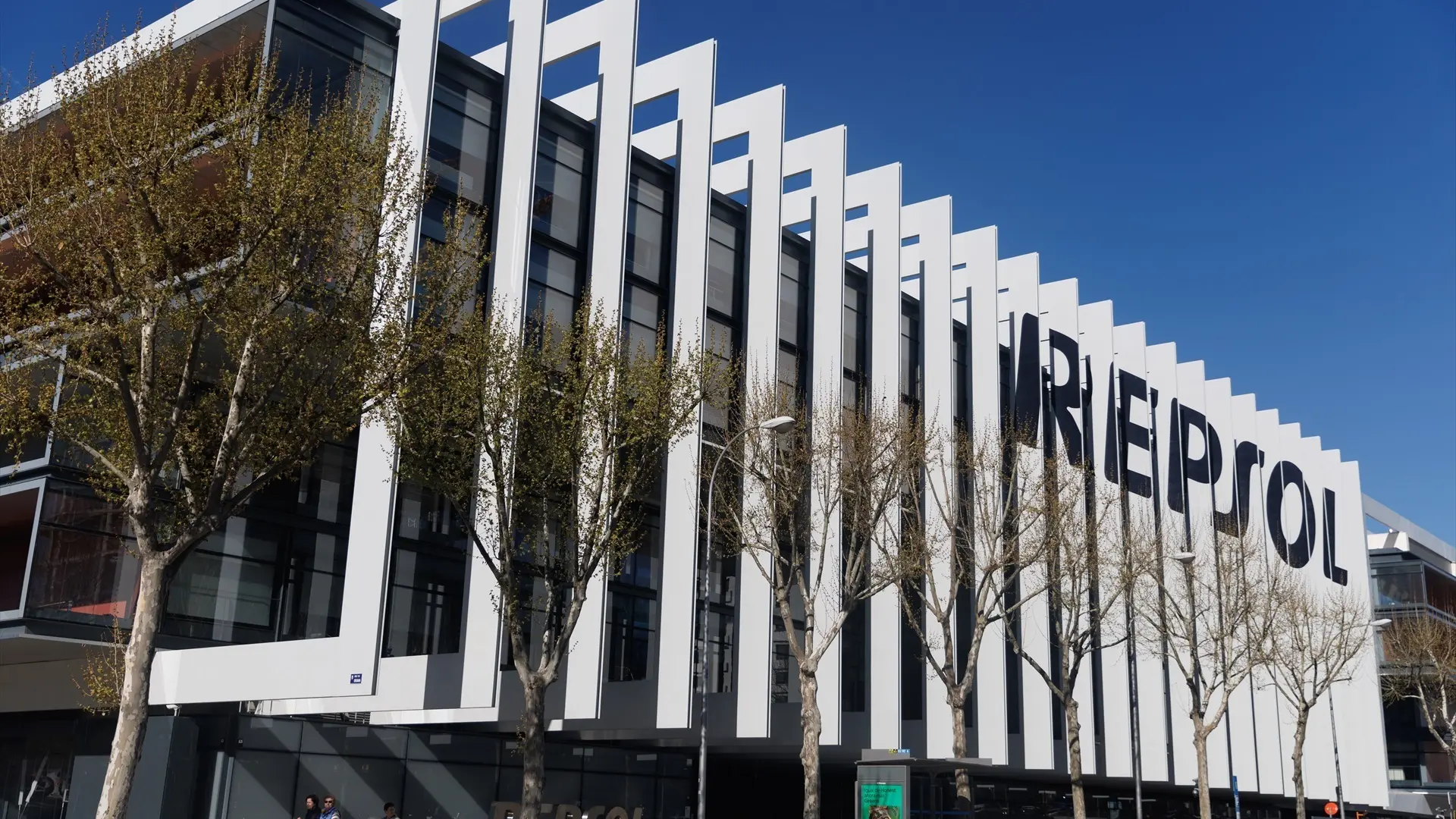
Repsol will ask the United States for a license to resume oil exports from Venezuela

Repsol will ask the United States Government for request to resume crude oil exports from Venezuelaan activity that it has not been able to carry out since in March the Donald Trump Administration revoked, with effect from May 27, the license it had in force for this purpose. As reported Bloombergciting a person with knowledge of the matter, the Spanish oil company will present the request to US officials in the coming days.
In this regard, he added that US officials will meet with oil industry executives to discuss Venezuela on Friday, and Repsol will participate in the meeting. Repsol would like to restore that trade, the same source stated, and the company led by Josu Jon Imaz would export crude that Venezuela has stored.
This would occur after the turn of events since last January 3, following the intervention by the Government of Donald Trump in Venezuela, announcing its decision to control oil exports indefinitely, and the capture and overthrow of Nicolás Maduro as president of the Caribbean country.
Revocation of permits in March
At the end of March, the US Administration decided to revoke the permits and exemptions granted to several oil companies, including Repsol, to export crude oil from Venezuela, with the deadline for the end of their operations to be May 27, which was met when that date arrived. Among the companies affected, in addition to the Spanish one, were the French Maurel et Prom, or the Italian Eni.
Repsol is present in Venezuela through its participations in gas licensing entities (Cardón IV, etc.) and in crude oil joint ventures (Petroquiriquire and others). ANDThe country represents 15% of the company’s total proven reserveswith more than 250 million barrels of oil equivalent. Despite the tightening of crude oil, Repsol has maintained its gas activity in the country, which concentrates most of the local business. In fact, represents more than 80% of its activity in Venezuela and was not subject, in those terms, to the restrictions applied to oil.
Repsol’s equity exposure in Venezuela as of June 30 was 330 million euros, compared to the 504 million euros it amounted to at the end of 2024. This figure fundamentally included the financing granted to its Venezuelan subsidiary companies, the investment in Cardón IV and accounts receivable with PDVSA. Repsol’s average net production in Venezuela in the first half reached 70,500 barrels of oil equivalent per day, compared to 65,000 barrels of oil equivalent per day during the same period in 2024.
On repeated occasions, after the suspension of the license in March, the CEO of Repsol, Josu Jon Imaz, has insisted on maintaining “a constructive and totally transparent dialogue” with the authorities, “including Americans”, with the aim of trying to “guarantee a stable framework” for the group’s activities in Venezuela, thus being able to export hydrocarbons again as a form of compensation for the historical debts that PDVSA maintains with it. “When I talk about a stable framework for activities, of course, it includes viable mechanisms to monetize our production,” said the manager last October during a conference with analysts to present the results for the first nine months of 2025.