Silver breaks records and becomes independent from gold
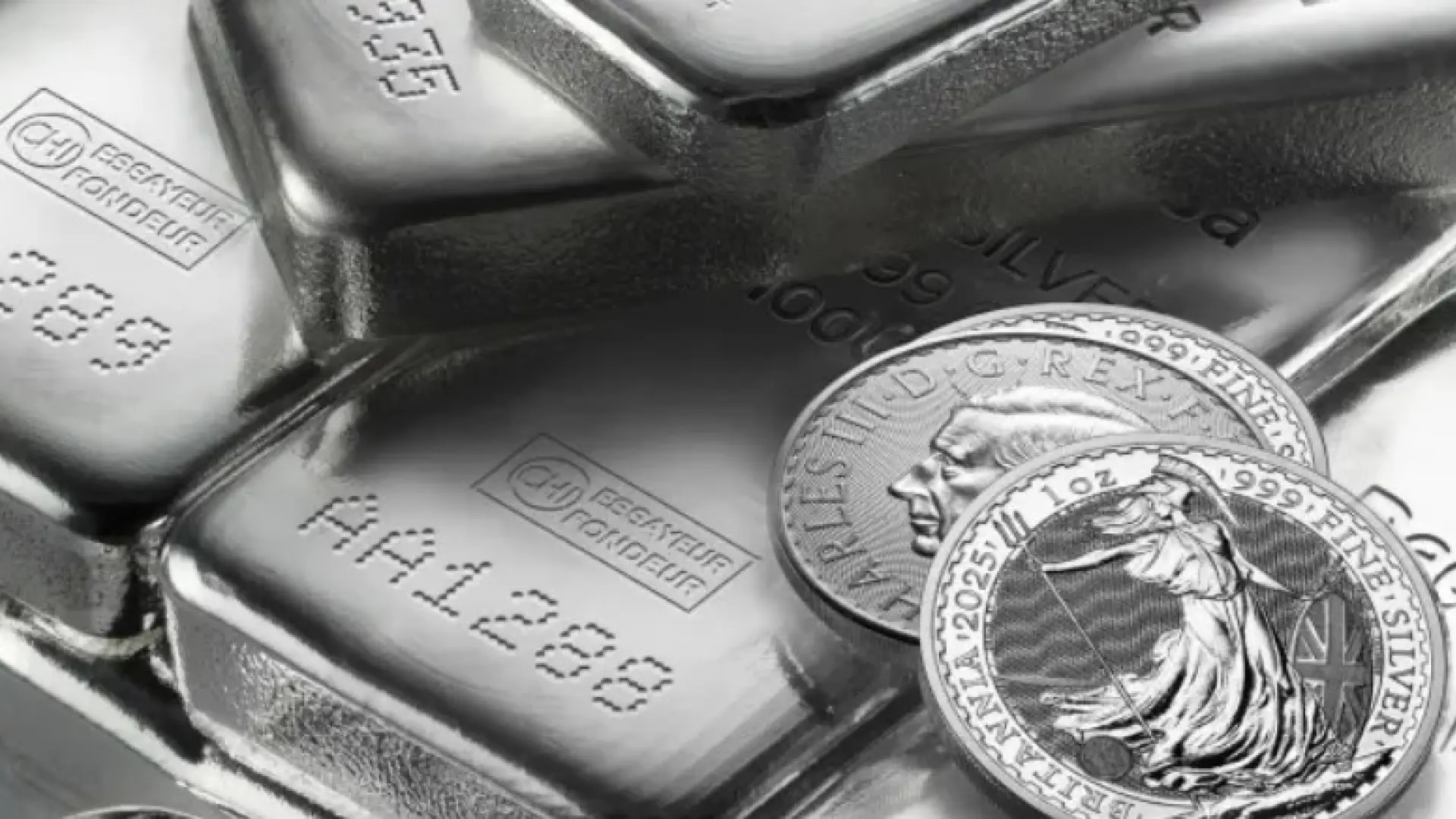
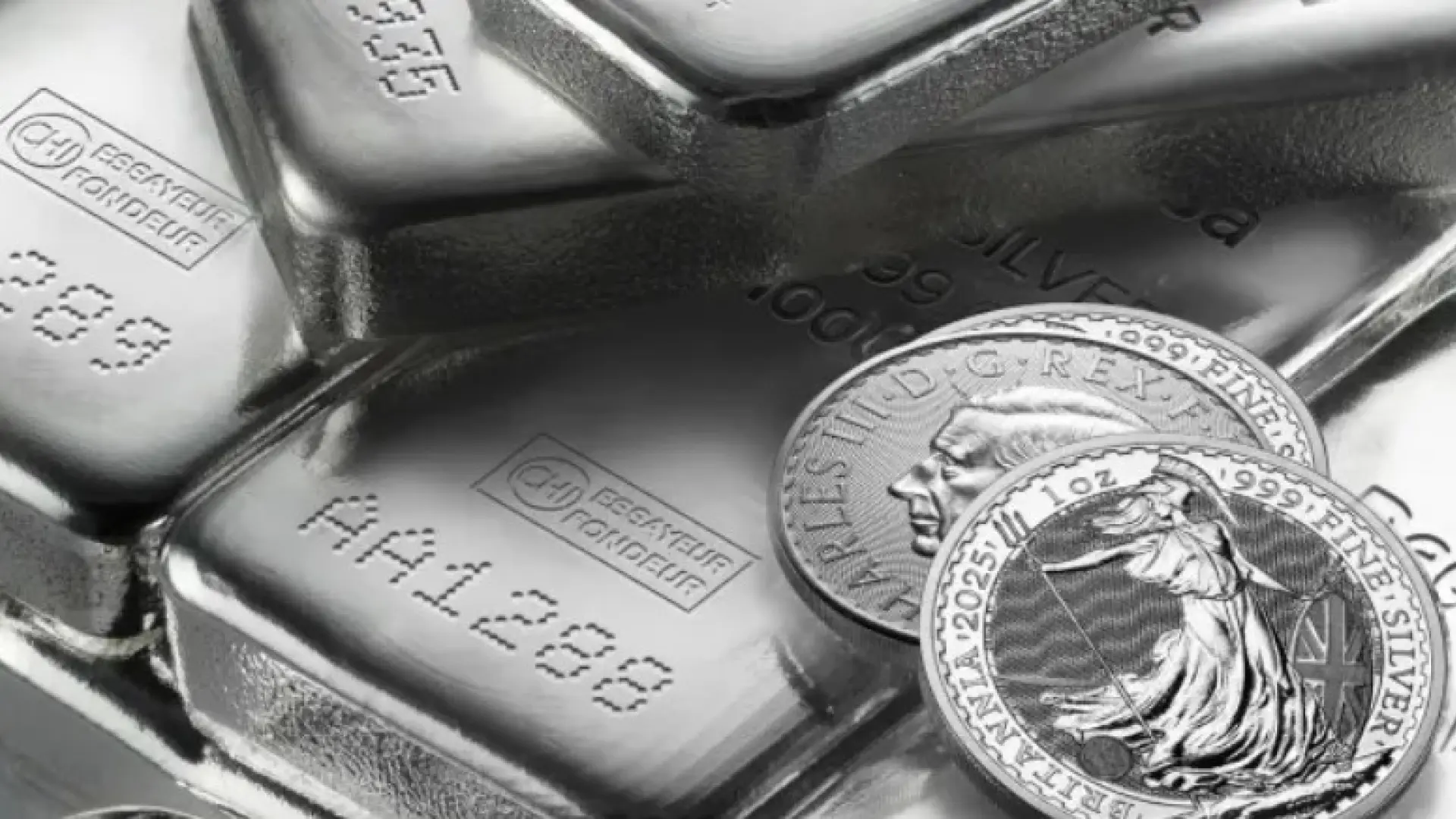
The precious white metal, famous for its second-place Olympic medals and for decorating artistic objects, has taken on a new prominence that transcends aesthetics. This week, silver exceeded $53 per ouncemarking a historical record that has not been seen since the peak reached in 1980. And it has done so in a context in which gold is also advancing without stopping, trading above $4,200 per ounce.
The combination of solid fundamentals and visible tension in the markets financial has fueled the rise of the white metal. Throughout 2025, Its price has advanced more than 80%even surpassing some sections of the gold rally, which advances 64% in the same period. This revaluation HE It rests on a persistent imbalance between limited supply and growing demand, driven by strategic industrial sectors such as solar energy, microelectronics and advanced automotive.
In London, the nerve center of precious metals trading, conditions have reached critical levels. Interest rates for silver loans have surpassed the 100% thresholda sign of structural pressure that cannot be explained solely by speculative movements. Future contracts have started to be quoted below the spot price, creating a situation unusual which indicates a real deficit of available supply.
In the United Kingdom, they have been produced cases of turgent aerial scraping in order to cover physical commitments in a market where the available volume of bars has been reduced by 33% since 2021. This environment of tangible shortages has caused some analysts to consider the London market “dysfunctional” due to a lack of available metal.
The deficit drives the price
In this scenario, Bank of America has updated its silver forecast to $65 per ounce in 2026anticipating that the physical deficit will persist even if demand for physical metal declines. Its analysis team argues that the structural fundamentals remain intact and that the correction, if it comes, will be punctual. The entity also foresees gold at $5,000 in the same horizon, which reinforces the perception that both metals are evolving upwards, although driven by different dynamics.
In this case, the relationship between silver and gold vuelgo to be the protagonist Currently, it takes around 81 ounces of silver to buy one ounce of gold, when the average over the last two decades has been around 70. This deviation fuels the idea that Silver remains undervalued and still has a way to go.
But if market tension explains the current moment, structural demand projects the future. In 2025, it is estimated that he 17% of total silver demand comes from the photovoltaic sectormore than double that in 2016. The new, more efficient solar panels require more money per installed unit. With China and India leading the energy transition, pressure on supply is intensifying.
On the other hand, at be a difficult metal to replace in its industrial applicationsthe elasticity of that demand is limited. Even with higher prices, manufacturers cannot find alternatives that match their conductivity and malleability.
From bullion to ETF
The forms of investment in silver are variedeach one with its own nuances. Those seeking direct price exposure typically opt for bars or coins, a strategy that preserves intrinsic value but comes with storage, insurance and trading premium costs that can reduce profits.
For those looking for more liquidity and less logistics, exchange traded funds (ETF) backed by silver offer a solution intermediate. They replicate the behavior of the price of the metal, either through physical possession or derivatives, although also They have their own commissions and, in some cases, deviations from the price in the market.
Futures allow for more aggressive exposurewith leverage that multiplies both the potential profits like losses. Its structure requires reinvesting periodically at maturity, which means being exposed to market conditions that are less predictable and often more expensive than the spot price.
Finally, other via to access the silver marketon the shares of mining companies. This approach captures the metal’s bullish trend, but with a particular volatility. Many of these companies are diversified into other minerals, which introduces operational, regulatory and market risks unrelated to the direct evolution of the silver price.
The accumulated tension in the current market has led to a unique phenomenon. The largest silver exchange-traded fund in the world, iShares Silver Trust, needs more than 15,000 tons of silver to back its outstanding holdings. That volume, added to the weight of other funds and the constant industrial pressure, continues to push un market that has become narrow, unpredictable and increasingly watched.
In this context, Silver no longer appears as a simple shadow behind gold. It has consolidated its own place within the global financial system, supported by structural forces, intense investment flows and a technological demand that continues to grow.