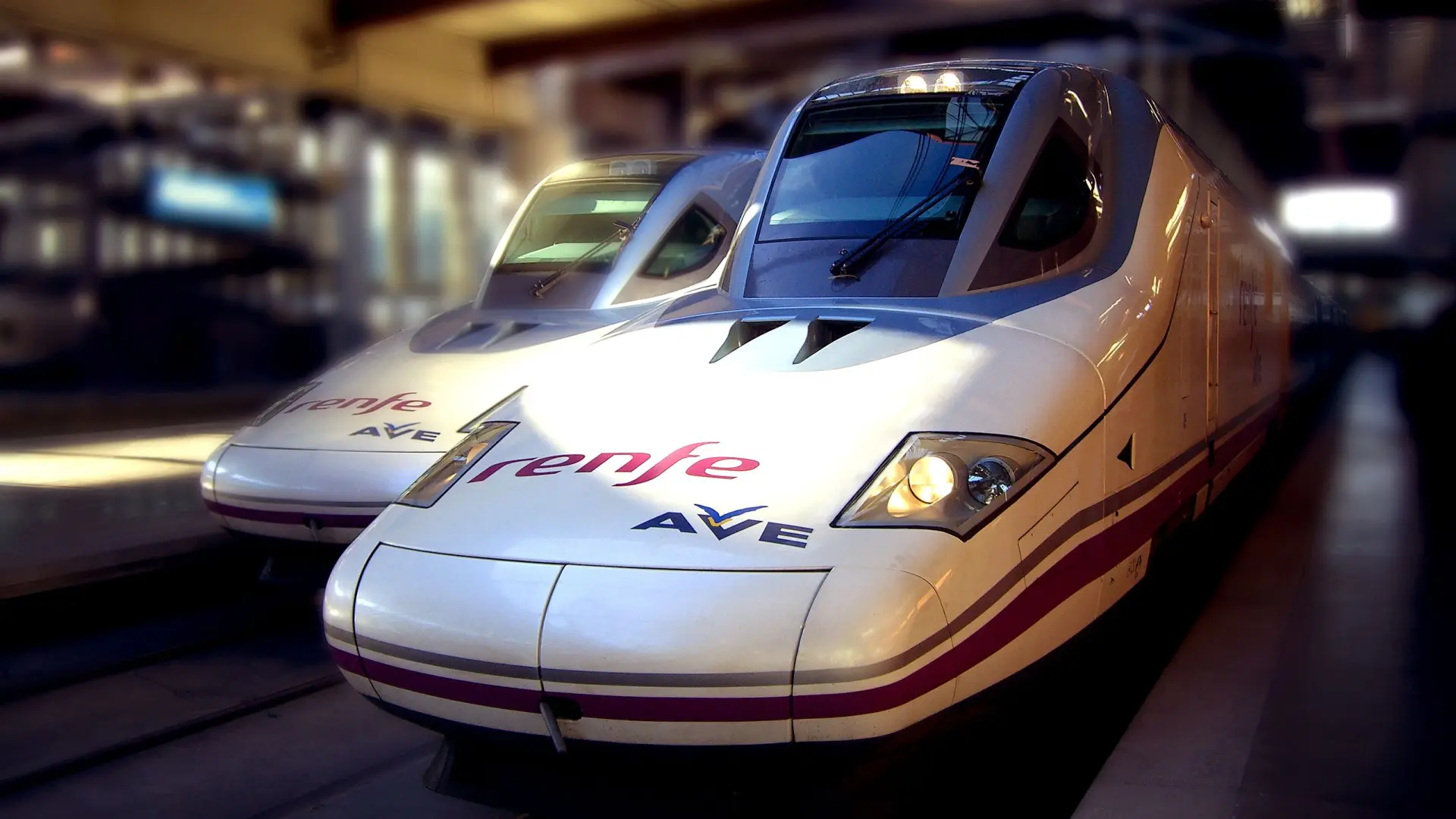
single pass, discounts on Cercanías and metro and bus prices
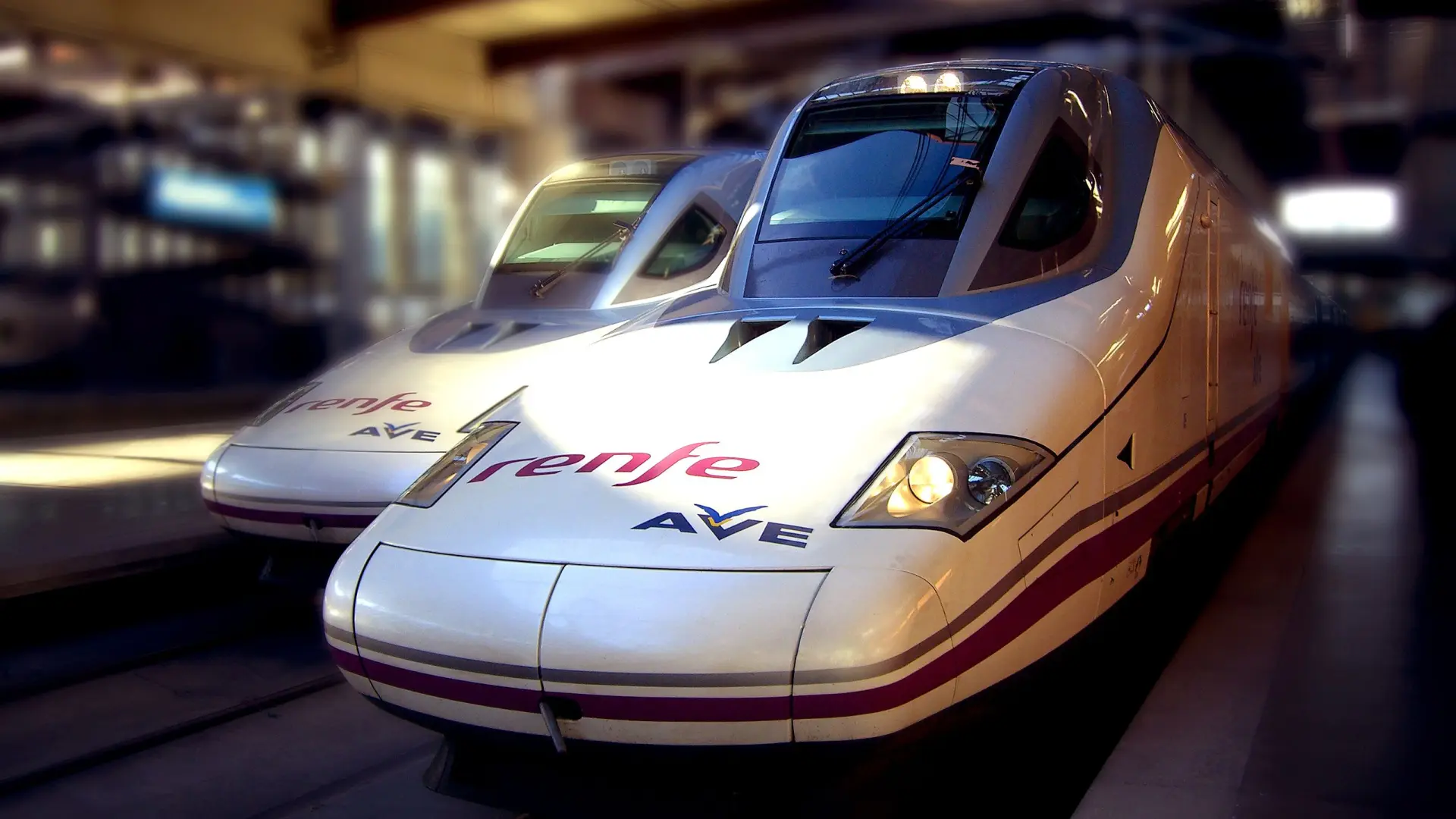
Traveling through Spain by public transport is going to change the rules—and the price—starting in 2026. The new year starts with a reorganization of the system, marked by the premiere of the single flat-rate state subscription and the extension of discounts on urban and interurban metro and buses. With January 19, 2026 as the key date to start using this new title, public transport enters a new stage throughout the country.
Single state pass: travel for 60 euros per month
The great revolution in public transport in 2026 will be the implementation of the single flat-rate state subscription. For 60 euros per month —and 30 euros in the case of those under 26 years of age— Users will be able to travel unlimitedly throughout Spain on Cercanías, Rodalies, conventional Renfe Medium Distance trains and long-distance buses dependent on the State.
However, this subscription does not include, at least for now, high speed (AVE, Avlo, Alvia and similar) or the metro, trams or urban or metropolitan buses, which depend on regional and local administrations. However, Puente has recognized that The “vocation” of this pass is that it ends up including all means of public transportation in the country.
Thus, in practice, travelers who move primarily within a city will probably They will continue to opt for local metro and bus passes. However, those who combine Cercanías, Media Distancia and intercity buses can save much more with the new state pass, whose monthly cost of 60 euros for adults and 30 for those under 26 years of age can represent a saving of up to 60% compared to the sum of traditional tickets and passes.
Discounts on medium distance and bus
In parallel with the arrival of the single state subscription, the Government will maintain in 2026 a good part of the bonuses that were already in force. On the trains of Conventional Media Distancia, tickets will maintain a 40% discount on the normal ratewhich rises to 70% for young people.
Avant services will also retain their 50% discount. For their part, the Long-distance state buses will continue with a 50% bonus in general and 70% for those under 26 years of age. In addition, the recurring Cercanías subscription for 20 euros per month will continue to be available, giving travelers the freedom to choose the option that best suits their journeys.
- Conventional Medium Distance: 40% general discount, 70% for those under 26 years of age.
- Avant Services: 50% discount on all tickets.
- Long-distance state buses: 50% general discount, 70% for those under 26 years of age.
- Commuter recurring subscription: 20 euros monthly.
News in urban and interurban transport
For its part, urban and interurban transport—metros, trams and buses managed by city councils and autonomous communities—will present fewer structural transformations in its daily operation, with discounts to encourage the use of public transport. Local networks will continue to depend on the management of each administration, although they will receive financial support from the State to maintain discounts and bonuses.
One of the most important changes is that the autonomous communities will no longer be required to provide their own funds so that they canOur users benefit from the 20% discount financed by the Ministry of Transport.
Until now, regulations required regional governments to contribute at least another 20%, bringing the total discount to 40%. This obligation disappears in 2026: communities will be able to voluntarily join the state discount, and if they do not, Users will only receive 20% financed by the State. This measure seeks to avoid problems such as those that occurred in 2025 in Castilla y León, where the lack of coordination left users without the accumulated 40% discount.
In addition, other already consolidated benefits will be maintained:
- Free transport pass for children under 14 years old.
- 50% discount for young people between 15 and 26 years old.
- Discounts on multi-trip tickets and monthly passeswhich will range between 30% and 50%, depending on each city and the voluntary participation of the community in state financing.