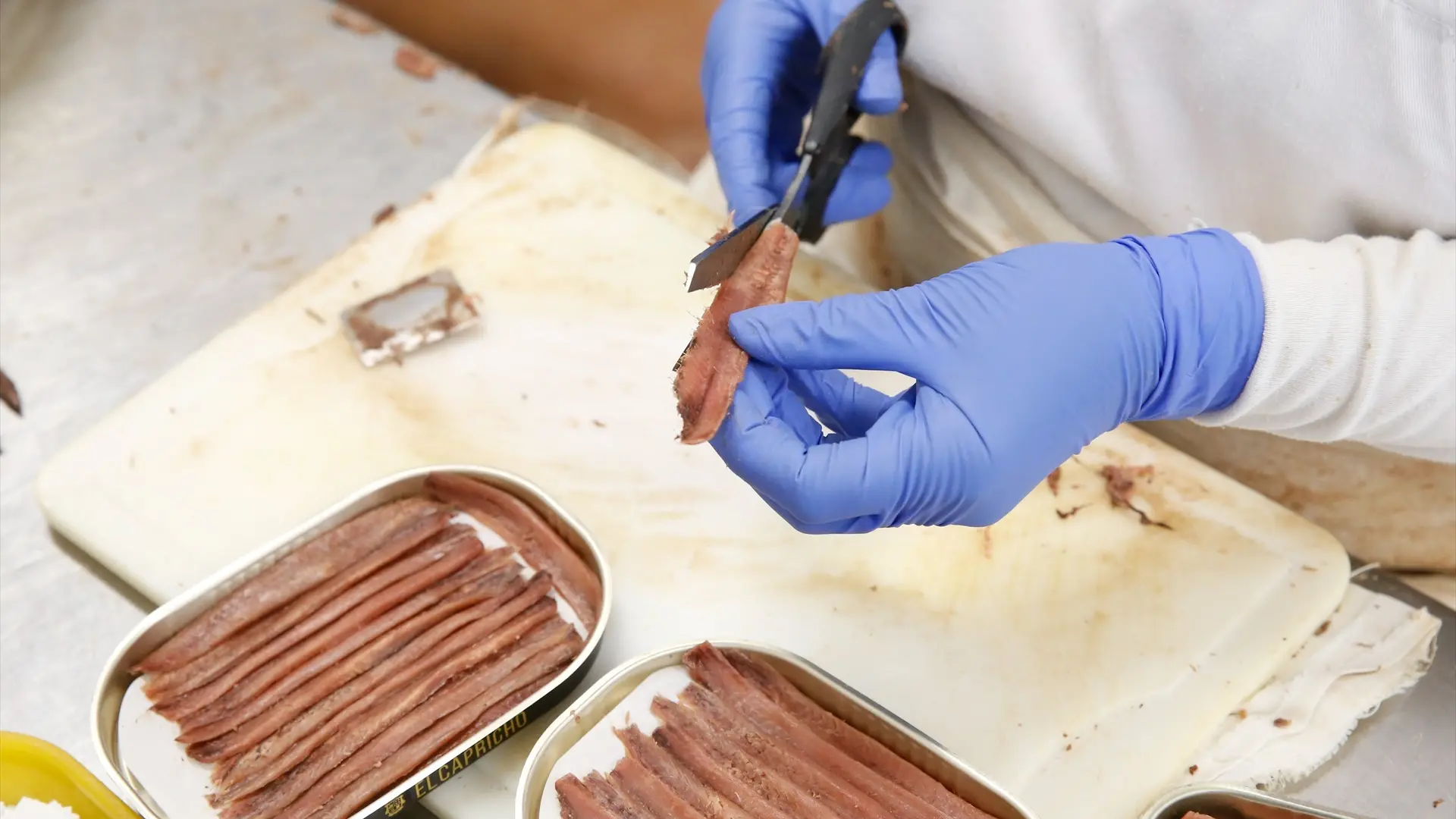
The canning employers and the unions will go to mediation to unblock an agreement that affects more than 30,000 workers
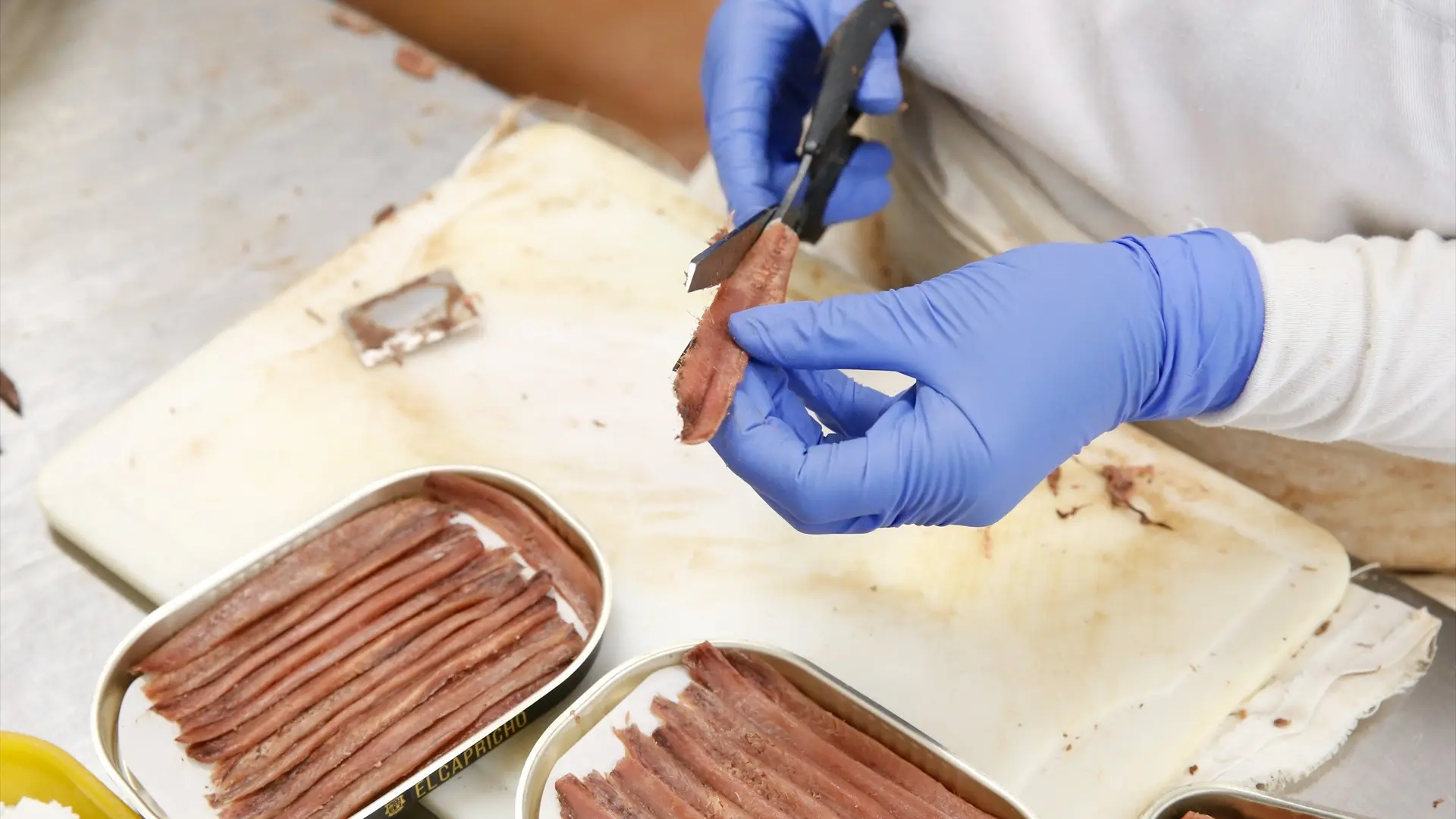
Movement of the Spanish Federation of Industries for the Transformation and Marketing of Fisheries and Aquaculture Products (FEICOFISHING) regarding the new state collective agreement for canned, semi-canned and salted fish, which affects almost 400 companies from all over Spain and more than 30,000 workers.
The canning employers’ association has reported in a statement that on December 17 it reported to the Interconfederal Mediation and Arbitration Service (SIMA) the blocking of negotiations with the unions, and canceled the meeting that had been scheduled for December 18. Sources of UGT FICA They acknowledge their “surprise” at FEICOPESCA’s decision and highlight that it is “the first time this has happened in the negotiations of this national agreement.”
The sources consulted from this union show their respect for the step taken by the business side and recognize that they have anticipated what they planned to do from the side of worker representation. The employers explain that they have made this decision to achieve a triple objective: the first is the unblocking of the negotiations of this collective agreement “through the withdrawal of maximalist and immovable proposals on the part of the union representation” and ask for a return “to the principles of good faith included in article 89 of the Workers’ Statute.”
The canning employers also want “overcoming merely evasive responses to obtain alternative proposals and union rapprochement” establish a calendar of meetings that guarantees the conclusion of the new agreement. The unions have been reproached for “maintain the same union pretensions as the first day” after 11 months of negotiations. At FEICOPESCA they reiterate that the companies “maintain full willingness to negotiate and trust that this mediation procedure” will redirect the paralysis of the talks.
The new professional classification, at the heart of the conflict
From UGT FICA they confirm the distance between both parties, which has ended up raising the renewal of this agreement to SIMA. “The difference right now is only one: we do not leave the negotiation of the new professional classification and this difference is clearly related to salaries, sources from this union force have pointed out. At FEICOPESCA they also agree that the new professional classification is “especially important” and comment that an independent consultant has even been hired to analyze almost 100 positions in the sector and that A proposal was concluded with 9 professional levels and a walkway“which forces all companies to analyze the positions held by workers in the sector during 2026 to fit them into the level system.”
In this sense, they highlight that The canning employers want a 2025-2029 agreement “with a revaluation clause to the real CPI, including the payment of arrears without limits each year.” Which, in his opinion, “is not only a guarantee of purchasing power during its validity” but also “an additional increase on the CPI for the lowest categories thanks to the new professional classification”.
A “constant” desire for social dialogue
The cannery boss defends that they have always had a “constant” desire for social dialogue with the representatives of the more than 30,000 workers affected and, as an example, they cite that they have launched proposals in areas as diverse as the protection of women victims of gender violence and care for LGTBI people. “Various union requests were accepted such as the calculation of salary for vacations for a given year and that two different means of calling permanent – discontinuous personnel were established”, they have specified from this business organization.
In the aforementioned union they are already looking to the future and are waiting for the Interconfederal Mediation and Arbitration Service (SIMA): “Let’s hope it’s fruitful and we reach an agreement,” According to the sources consulted, they regret that – in the event that an agreement is not reached – the next step will be the protest actions planned for the last week of January and mid-February. In any case, rememberthe current agreement is still in force and being applied to the hundreds of affected companies.