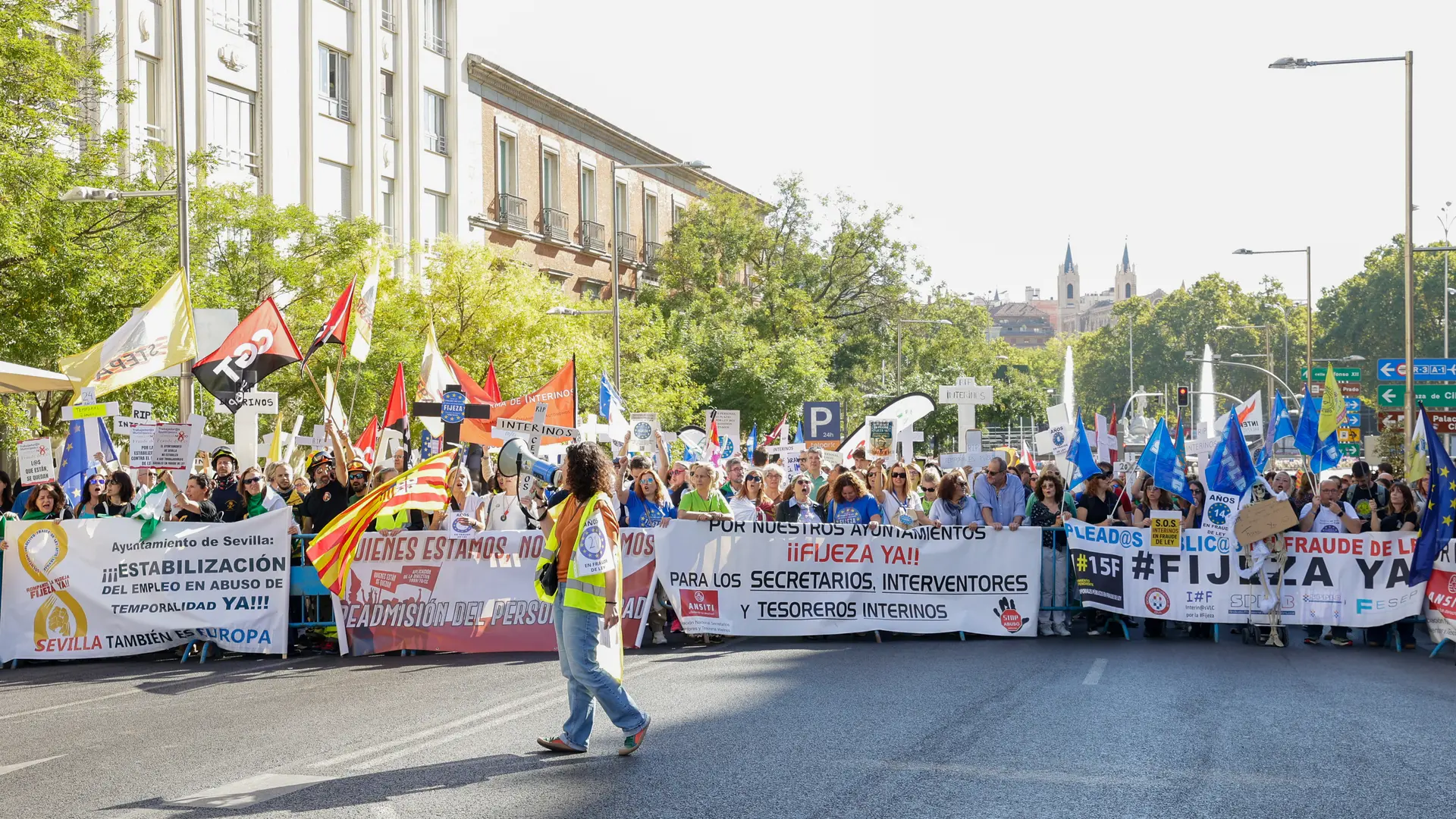
The CJEU lawyer rejects making interim workers permanent if they do not pass a selective process
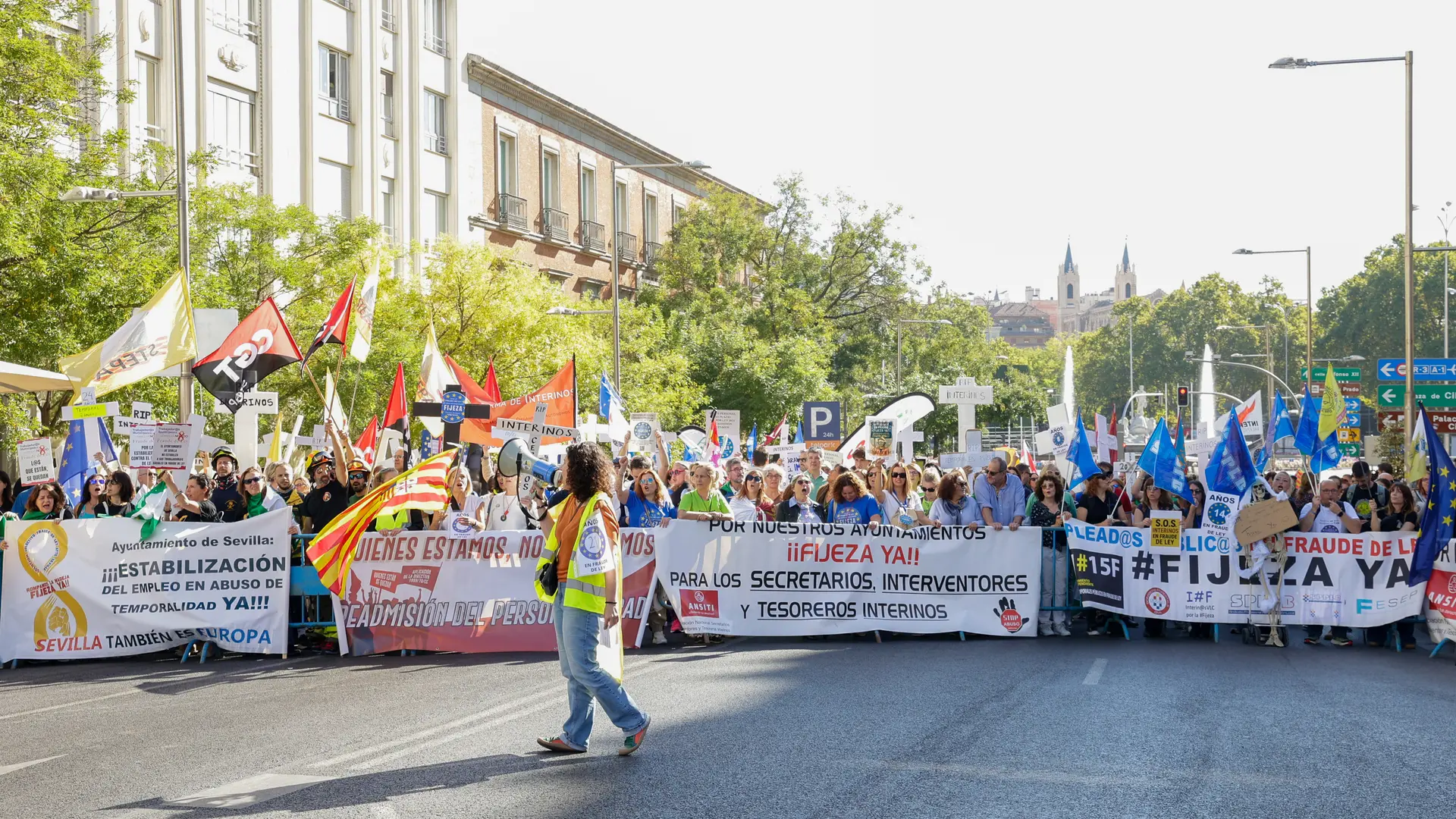
Setback for the interims from Luxembourg. The Advocate General of the Court of Justice of the EU (CJEU) has rejected the idea that public administration workers in a situation of fraudulent temporary employment should be automatically made permanent. They must previously pass a selection process in which they accredit merit and capacity. However, it points out that Spanish legislation does not adequately compensate people in this situation or sufficiently punish the administrations responsible for fraud.
In his conclusions, Advocate General Rimvydas Norkus is blunt. Points out that the CJEU “has never demanded or even suggested that the status of permanent staff or career civil servants be recognized.” to a worker in the public administration without having previously passed the selective processes or the competitions, oppositions, or competitive examinations provided in accordance with the constitutional principles of equal merit and capacity.
“States have no obligation to convert successive fixed-term contracts into an indefinite contract”underlines the written conclusions. However, Norkus points out that Spanish legislation must include effective measures in the public sector that prevent and also punish the abusive use of temporary employment. “The legal system must contain another effective measure to sanction the abusive use of successive fixed-term contracts.”
Although The conclusions of the Advocate General of the CJEU are not binding, they are usually key for a future ruling on this matter which is expected in spring of next year. The case in question is that of a childminder in a public educational center in the Community of Madrid who accumulated successive interim employment contracts since March 2016 and requested the regional government to grant her a permanent position, based on European legislation. The Community of Madrid denied this possibility and the matter ended up in the Supreme Court, which submitted a question to the CJEU to clarify the situation.