The East Room Lessons
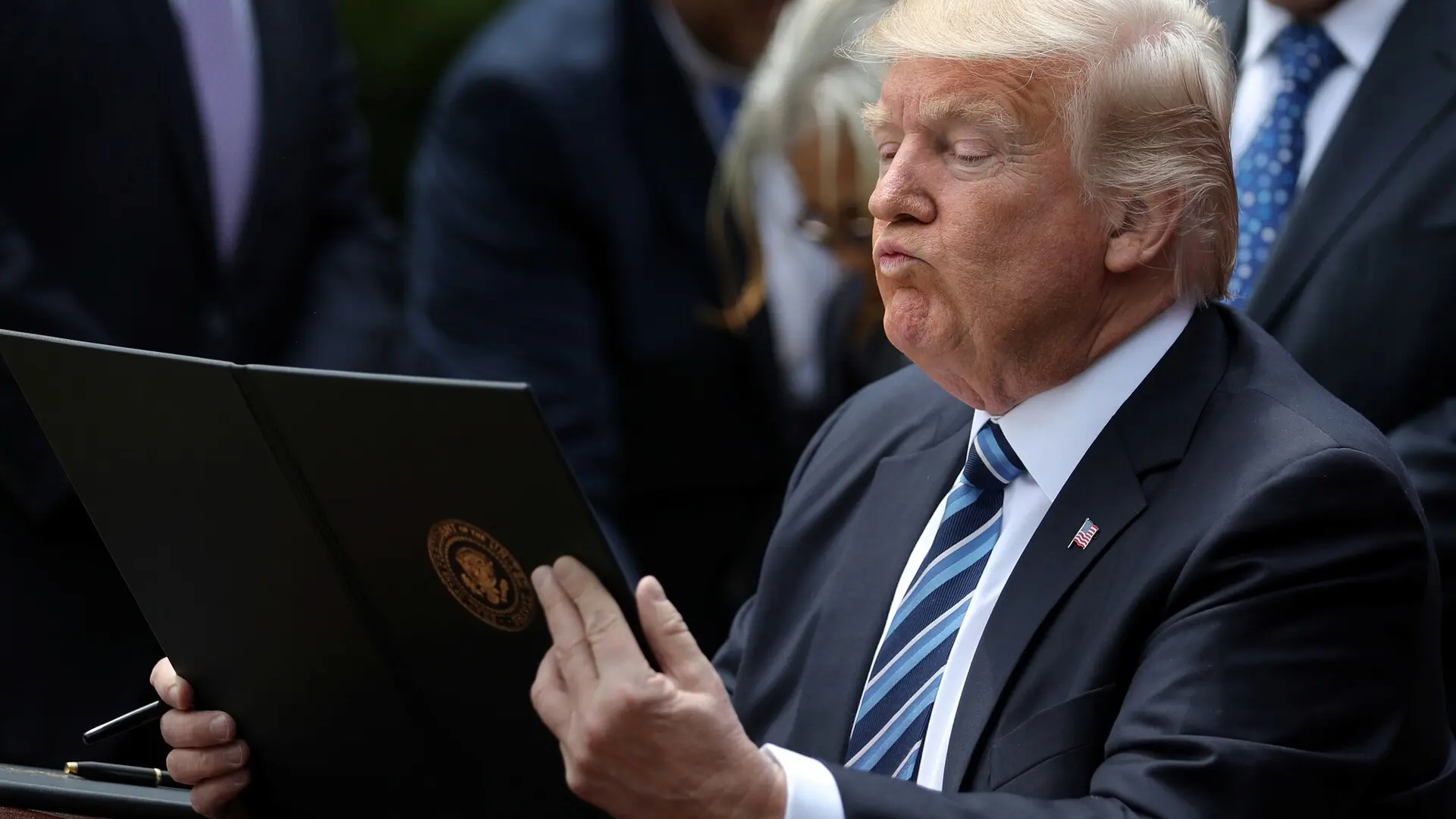
President Donald Trump’s meeting a few days ago with the oil companies has left some lessons beyond the Venezuelan crisis. The top executives of the main oil companies with interests in Venezuela were gathered at the White House. Just a few days after the arrest of Nicolás Maduro and his placing at the disposal of American justice, the American president wanted to convey to the companies his plans for Venezuelan oil and, incidentally, obtain investment commitments to modernize obsolete infrastructure. At the table East Roomjust at the opposite end of the oval office, 17 energy executives were sitting, the vast majority of them Americans and only one Spaniard: Josu Jon Imaz, CEO of Repsol. One by one they intervened, until it was the turn of Zumárraga, who with solvency transferred the powerful presence of his company in the United States to immediately commit millionaire investments in Venezuela in addition to reminding Trump himself, the debts of the Bolivarian regime with his company.
The courage and at the same time temperance of this Spanish executive in the most important meeting, without a doubt of his career, reminds us the need to face moments of truth with tools. Imaz relied on an exquisite background in energy with a doctorate in polymers and a bachelor’s degree in chemical sciences, but also on his experience in meetings of this type after years of public service as industry advisor to the Basque government, MEP and president of the PNV. Cook before friar, goes the Spanish saying.
Today, when the political profession is going through its lowest hours and no one in their right mind wants to dedicate themselves to public affairs, the success of the CEO of Repsol against Trump values the experience acquired through years of service in public management. It is difficult to find a moment in recent history where the public has had as much impact on business as the current one. It is not just the Venezuelan crisis or the war in Ukraine and its impact on energy prices, but after the pandemic all governments have implemented control mechanisms for private activity to protect national sovereignty. That is why it is so contradictory to underestimate – if not stigmatize – political experience. It is urgent for companies to have managerial profiles with three years in administrationwith thousands of hours of partisan negotiations and mastery of legislative practices.
It is difficult to find a moment in recent history where the public has had as much impact on business as the current one.
It is necessary flee from the identification of the political class with the recent cases of corruption like everything that has to do with former minister Ábalos, Koldo or Cerdán. Of course they are despicable, but with or without those bad apples, the weight of the public continues to grow – here and around the world – and intervenes more and more in business performance. Taxes, permits for mergers and acquisitions, new regulations, but also prohibitions on trading with certain geographies, tariffs or agreements such as Mercosur, affect the daily lives of companies that need professionals who master those disciplines that are not learned in business schools but through years of public management.
They are not revolving doors, they are multidisciplinary trajectories which – and this is not new – the markets will value. Imaz is not the only one, although others are barely remembered. He president of ACSthe leading construction company on the planet, was previously a director of the Madrid City Council. He chief executive of Baleariathe leading company in the transportation of people in the Mediterranean, had public responsibilities in its town hall, Denia. Not to mention the official Pablo Islaa state lawyer considered for years the best manager in the world for his time as president of Inditex or Soraya Saenz de Santamaria and Trinidad Jimenez with impeccable careers in the private world after their time in politics.
May the best minds once again see public management as a way to serve their country and, in the process, also improve their professional careers and those of the companies.
Just as the markets have rewarded these performances, voters throughout history have also valued this ability to know the two worlds, the business world and the public. The mayor of New York for two decades, Michael Bloombergcame from creating the most important financial information companies. Emmanuel Macronpresident of the French Republic, had had a brilliant career in investment banking, not to mention Trump himself, who built his political career on the success of his eponymous companies or Mauricio Macri in Argentina and the late Sebastián Piñera in Chile. Not to mention outstanding women like Janet Jellen from the federal reserve or Christine Lagarde from the ECB good examples of high-level directives that made the move to the public.
It is not easy because the majority is to despise everything that has to do with politics. A fact that feeds back to the public being discredited since the best talents flee like a scalded cat from the boiling water of political parties. Imaz’s success in the White House will hopefully help change that trend and that the best minds once again see public management as a way to serve their country and in the process also improve their professional careers and those of the companies.