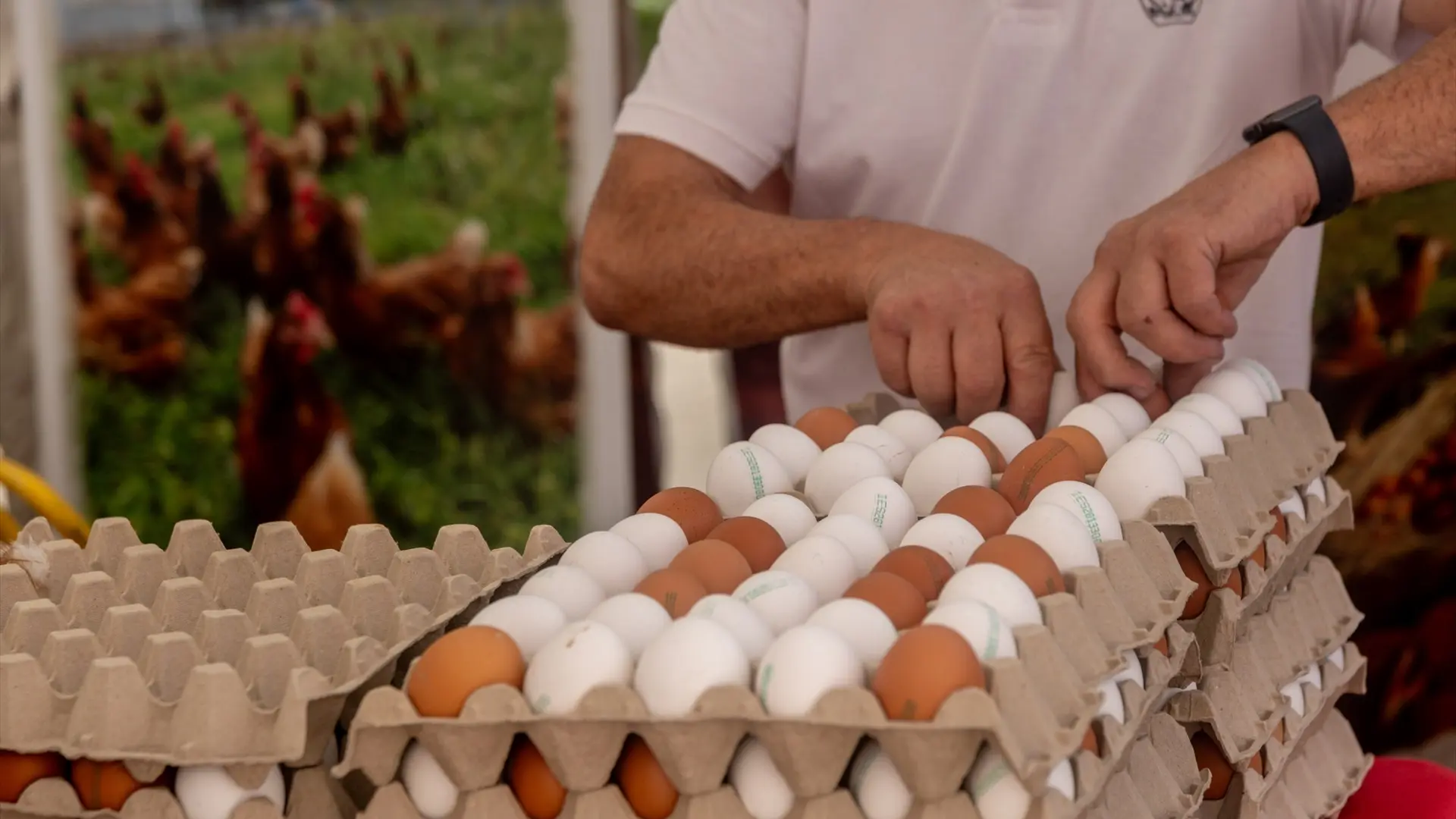
The egg rides on the rise in consumption and the rise in prices in full ‘revolution’ to improve animal welfare
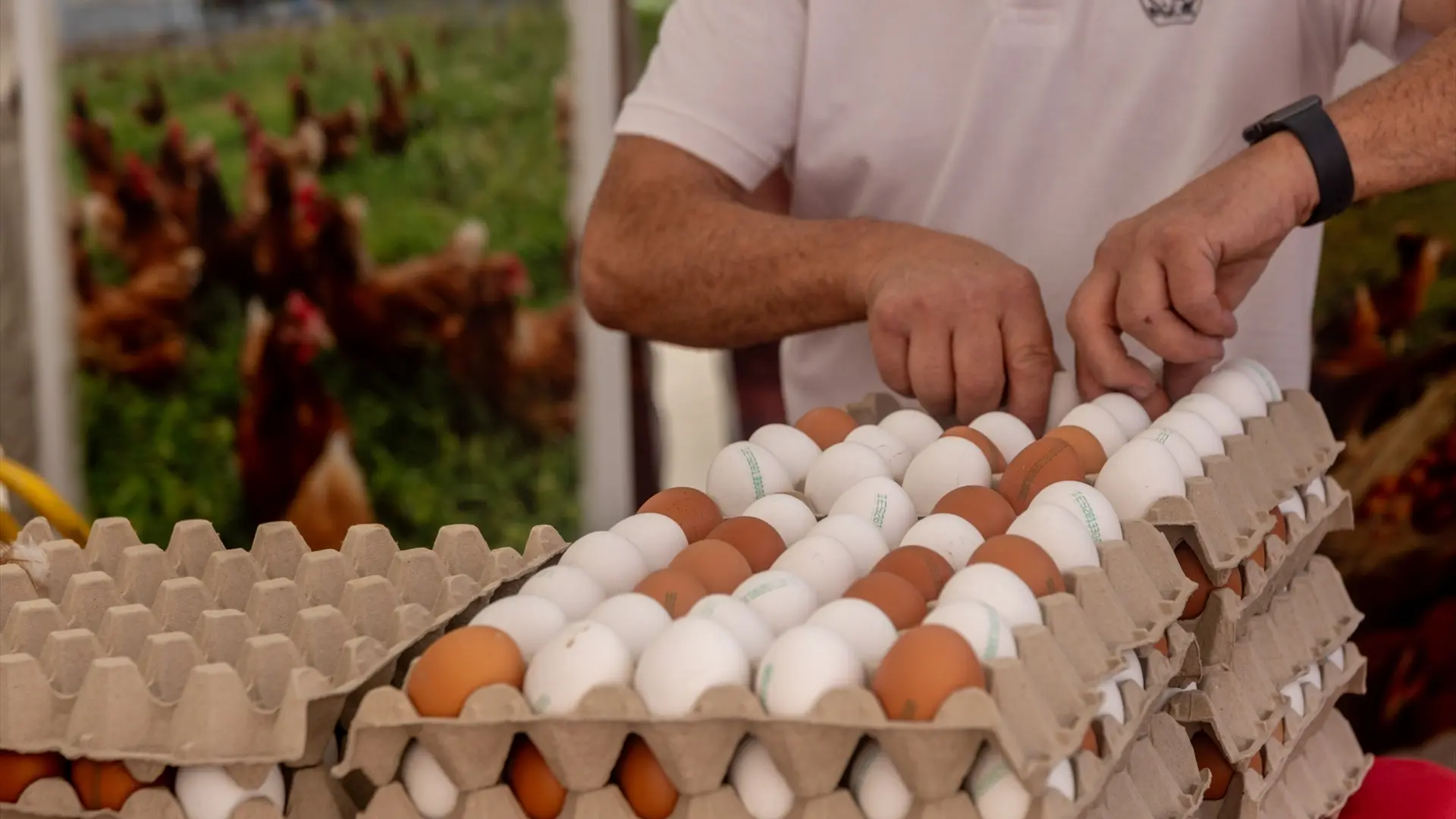
The egg reaches its World Daywhich is celebrated this Friday, in a paradoxical situation: on the one hand, there is an authentic ‘honeymoon’ with the Spanish consumer, especially in homes (in 2024, 420 million kg of eggs were consumed, 16.7% more than in 2019, according to estimates from the Inprovo sector Interprofessional), at the same time that this food continues to increase in value. Only, between January and August of this year, its price rose 15.7% according to the INE. All of this, in the midst of restructuring Spanish farms to improve animal welfare and opt for “alternative systems” (loose hens in chicken coops, free-range and organic) compared to traditional cages. In recent weeks, an unwanted guest has joined the above: the bird flu.
In statements to ’20 minutes’, on the occasion of World Egg Day, from the egg interprofessional Inprovo, they assure that “Currently the situation is limited and under health control.” Specifically, they explain that to date 10 outbreaks of so-called avian influenza have been detected in poultry. Of this ten, only six correspond to laying hens. “This problem, therefore, “It has affected 6 farms out of a total of 1,623 in all of Spain.”. Asked about what specific measures are being adopted to avoid new outbreaks, the organization that brings together everything from egg production to marketing highlights that they are applying “the European protocol” consisting of immobilization, depopulation, cleaning and disinfection. In addition to establishing “3 km protection zones and 10 km surveillance zones, with ‘regionalization’ of movements.”
In this sense, from Inprovo, they explain that biosafety and coordination with the Ministry of Agriculture and the competent authorities of the autonomous communities are being reinforced. with those who “regularly” evaluate the decisions adopted. The highest representatives of the sector recognize that it is “a very present reality” and guarantees that “the eggs that are sold are safe and the national supply is guaranteed.”
The egg, in record consumption figures
The appearance of bird flu in Spain comes at a sweet time for eggs as food. Specifically, Inprovo highlights that rCompared to 2019, consumption is 16.7% more of eggs which is equivalent to 1,253 million eggs annually. This allows it to maintain its increasingly high levels of presence in the shopping cart. Specifically, it is estimated that Spaniards already spend per household on this food 72.09 euros annually. To which is added that its price, according to the INE, rose 17.8% in August compared to the same month of the previous year and that, in the first eight months of the year, this product had become 15.7% more expensive.
At Interprofesional they do not assess the evolution of prices (“we are not competent in terms of prices,” they point out), but they do talk about “solid demand in homes while the supply has been affected until now by specific cases of avian influenza in Europe and Spain.” In any case, the main representative of the egg sector in Spain maintains that this activity “maintains its full productive capacity”, after generate 1,169 million dozen eggs last year of which 20% was exported, mainly to the European Union (EU). “In this sense, the flows have been adjusted to the greatest demand in the countries of northern Europe, consequence of avian influenza, prioritizing the national market,” they explain from Inprovo.
From Inprovo they also value thate “consumers increasingly value eggs as a food complete natural and a source of proteins of high biological value.” As proof of the above, they cite its introduction at breakfast: “Its contribution of vitamins and minerals makes it an ideal food for all ages to maintain physical and cognitive health,” they maintain. Bulk consumption also declines in 4 years, by 21%, compared to packaged.
New animal welfare standards
In parallel to all of the above, the egg sector in Spain is immersed in a full restructuring process to adapt to new animal welfare demands. The organization that brings together the entire value chain emphasizes that the implementation of “alternative systems” to traditional cages (free-range hens, free-range and organic) “is advancing at a good pace, in a sustained and orderly manner.” In this regard, they estimate that “76% of farms in Spain produce eggs under alternative systems” and they calculate that these systems already reach 36% of the chicken census compared to only 12.2% in 2017. “The cage has lost 15.6 percentage points in 4 years,” they point out. Which contrasts with the 6.3 points that the floor/chicken coop system has earned in the last year.
However, this transformation is not simple and requires an investment effort to build new warehouses and acquire land. In this regard, at Inprovo, they regret “the lack of agility in obtaining the necessary permits and licenses.” Which, in his opinion, “slows down” this entire process and further complicates the challenge of making all these changes with “realistic deadlines that avoid shortages.” In this regard, they ask the authorities “regulatory certaintya, reinforce biosafety, as well as insurance coverage and guarantee reciprocity in imports to preserve competitiveness.”