Consumption will require that at least 80% of the products in the vending machines of hospitals and residences be healthy
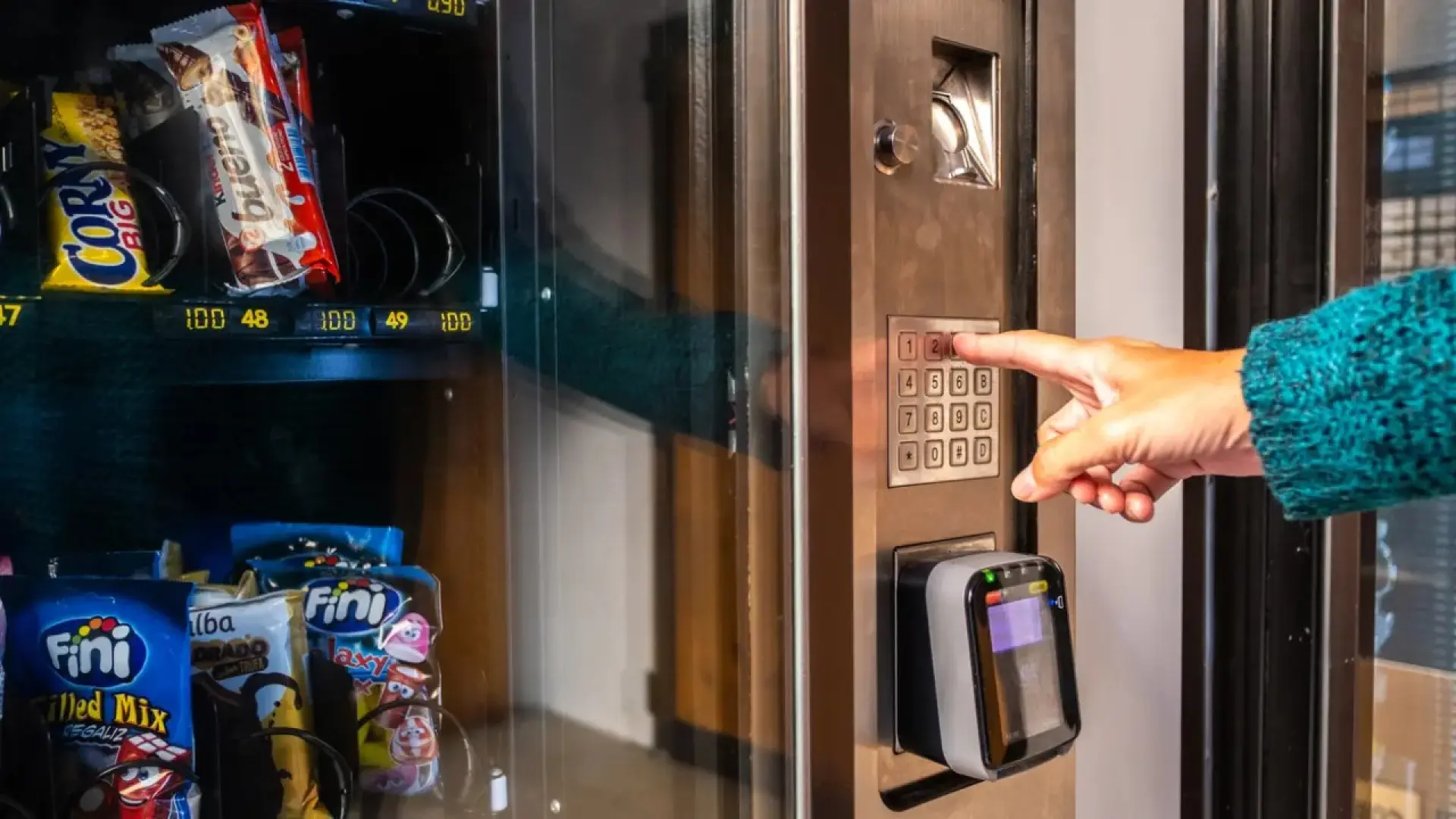
Eight out of ten machine products vending or vending machines in hospitals will have to be healthy, once the new decree on hospital and residence canteens finalized by the Ministry of Consumer Affairs is approved. It is another of the measures announced this Monday by Minister Pablo Bustinduy, which will include the standard with which the Government intends to guarantee healthy eating in hospitals and nursing homes and which will follow in the wake of the school cafeteria decree, already in force.
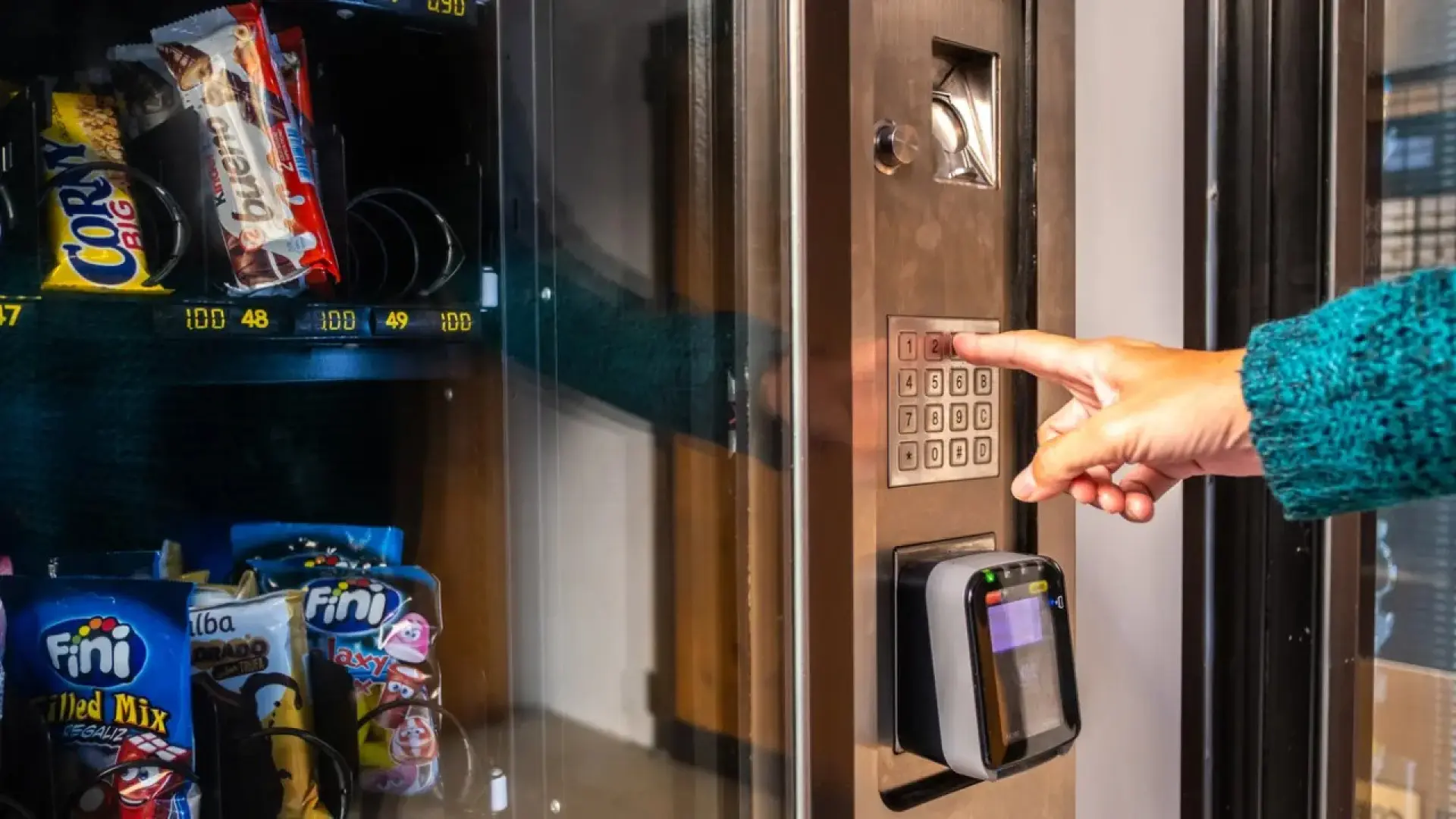
“We are going to regulate the content of vending machines to guarantee that at least 80% of the food is healthy,” Bustinduy said at a breakfast organized this Monday at the Ateneo Theater in Madrid. Fresh fruit, sugar-free yogurts, juices, unfried nuts, whole grain breads and sandwiches…. The objective is that these machines, which often become the main source of food for the relatives and friends of hospitalized patients, offer minimally healthy products. The rule will apply to hospitals, but also to nursing homes and any other social-health space, such as a day center or a health center.
Survey | Do you think it’s okay to reduce unhealthy vending machine products in hospitals and nursing homes?
This survey is not scientific and only reflects the opinion of those readers who have chosen to participate. The results do not necessarily represent the opinion of Internet users in general or of readers as a whole.
Along these lines, Consumption will force unhealthy products are placed in the least visible positions within these machines, That is, they cannot be located in the central rows. This includes any food of complex industrial formation, with transformed ingredients, additives and high content of saturated fats, sugars or salt, as well as some snacks and industrial pastries, sugary drinks or industrial cookies.
Bustinduy explained that the goal is to increase the availability of healthy options for people who are in hospitals and residences, so that, for example, the coffee from the machines defaults without sugar (the user may add an optional maximum amount of 5 grams) or that free drinking water sources be installed. “These are things that may seem small, but they are common sense and of general interest because they result in citizens seeing that their rights and the right to healthy eating and the right to safe environments, especially for the most vulnerable population, are guaranteed by the public powers,” defended the head of Consumer Affairs.
According to a study by the DBK Sector Observatory, In Spain there would be more than 390,000 food and drink vending machines and, although its offer has improved in recent years, for the ministry it is crucial to “continue moving forward”, in view of food trends that show that the consumption of ultra-processed foods has multiplied by three in just twenty years. For the Government, to set these quality standards in hospitals and residences can become an incentive for machines vending located in other centers They also guarantee a minimum of healthy products.
This measure is added to another announced last week, which will prohibit hospital children’s menus from offering any type of ultra-processed food. “Feeding is not and cannot be a mere procedure, it is a dimension of our social and cultural life. Therefore, from public institutions we have to develop measures so that the right to eat well is not a privilege,” defended the minister.
Once this new decree is approved, of which more details will be revealed in the coming days, Bustinduy’s next “battle” will be to use the advertising of unhealthy foods aimed at the child population. The minister has assured that, on average, a child in Spain watches 11 television advertisements about unhealthy products per day. “It is a difficult battle, yes, but it is fundamental,” he acknowledged, before highlighting the “social consensus” that exists around the need to tackle this problem.