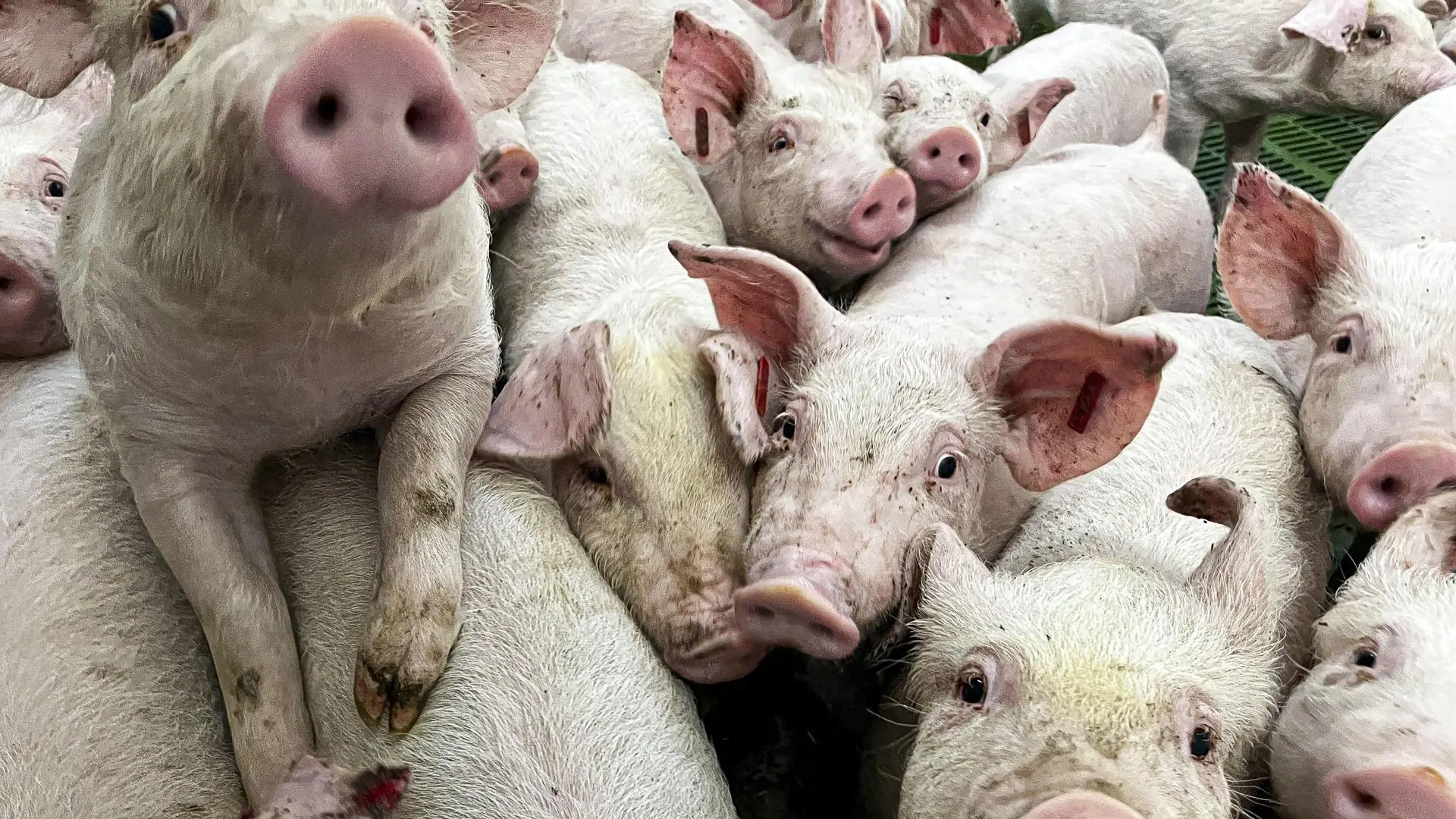
The Government opens to study the incorporation of swine fever and dermatosis in agricultural insurance
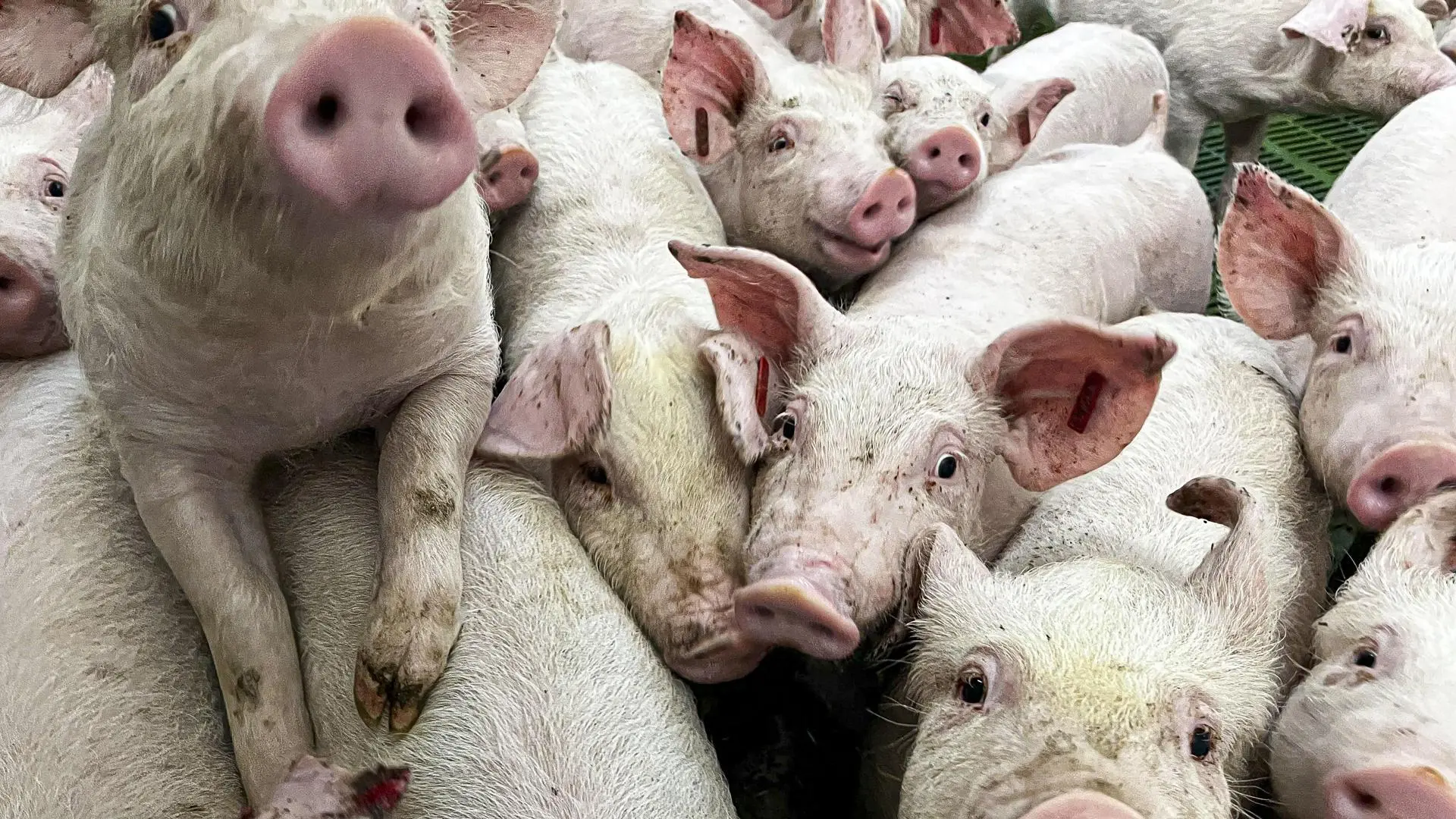
The Council of Ministers gave the green light this Tuesday to 47th Combined Agrarian Insurance Planwhich will be in force throughout 2026 and, among whose novelties, opens the door to studying the inclusion of recently appeared animal diseases such as Lumpy dermatosis contagiosa (NCD) and the African swine fever (ASF) within the insurable risks in policies for cattle and pig farms, respectively. The new Plan consolidates the subsidy for contracting this type of insurance at 315 million euros. This is 10.7% more than in 2024.
All of this, in a historic exercise for agricultural insurance that has far exceeded one million hectares of damage. This is a historical ceiling and a compensation forecast that, As of November 30, it is estimated at 710.92 million eurosso it will exceed the compensation paid in 2024 that reached 712.63 million and still far from the record of 2023, which involved a disbursement of 1,236.33 million in compensation. The crops most affected until the end of last month were fruit trees, herbaceous crops, wine grapes, citrus fruits, vegetables, table grapes and olive trees, which total 515.77 million in compensation.
Up to 70% of the eligible policy
The new Insurance Plan will continue to take into account the differentiated aid system for professional farmers, young people and owners of priority farms, which for the Ministry of Agriculture “makes it easier for these insured reach or are close to the maximum percentages of aid allowed by community regulations”. The so-called priority groups (young people, professionals and priority farms) may have Minimum subsidies that can cover 50% and 45% of the cost of the policies from the department directed by Luis Planas. All this support can be raised to 70% with subsidies from the autonomous communities.
The Plan is applicable to all lines of insurance whose contracting period begins throughout the next year and already has 45 different insurance lineswhich try to cover the majority of Spanish agronomic productions. In addition, we continue to focus on a certain continuity and stability by maintaining last year’s economic measures. From Agriculture they defend that the insurance system has made it possible to face very different types of risks such as frost, hail, floods, wind, etc. As proof they have highlighted that The insured capital has exceeded 1,000 million euros reaching a new historical maximum, standing above 19,000 million euros.