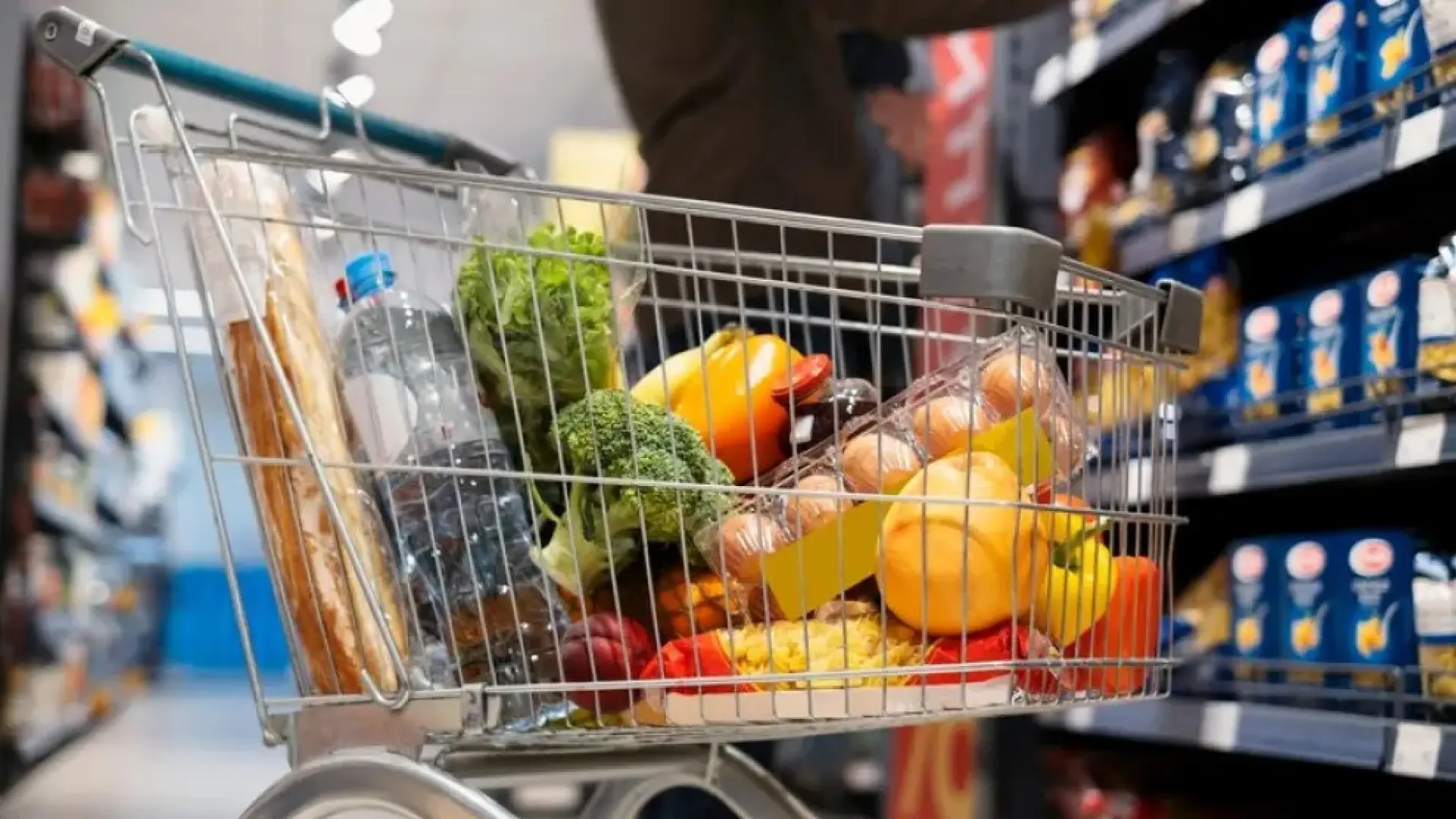
the healthy shopping basket is up to 20% more expensive
Although Spanish society is increasingly more aware of health, citizens’ diet is more unbalanced than ever. The dizzying pace imposed by today’s life makes millions of people neglect healthy habits and embrace the poorest quality processed foods that flood supermarket shelves.
Pizzas, industrial batters, frozen, Stuffed pastas or dairy desserts triumph among consumers who spend less time in the kitchen compared to the intake of whole carbohydrates and fiber, fish, fruits and vegetables, foods that we should eat in greater quantities, that is, whole carbohydrates and fiber, fish, fruit and vegetables.
The problem is that these prepared dishes, whose consumption has increased by almost 40% in the last decadeusually contain more salt, sugars and saturated fats, as well as additives, which make them less healthy than a homemade meal made with fresh products.
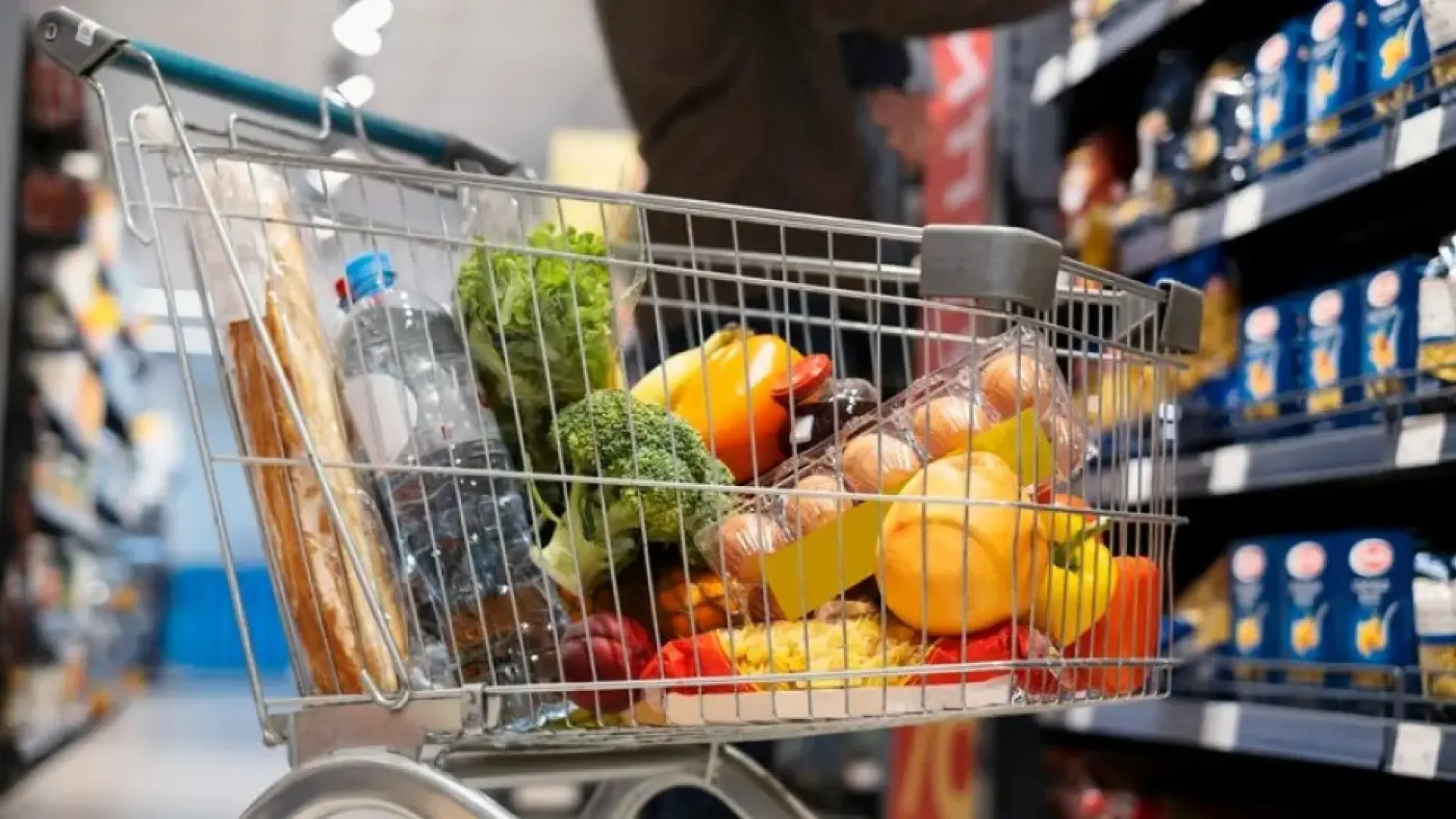
In this context, Consumers who prioritize the acquisition of healthy foods must assume, on average, a 20% extra cost compared to a conventional basket, with more ultra-processed foods, according to a comparative study of shopping basket prices carried out by Organization of Consumers and Users (OCU) in more than 40 supermarket chains
The OCU has recognized that “Fresh foods are traditionally more expensive than ultra-processed foods” but it has drawn attention to the inflationary trend that has been installed this year in basic products of our diet, such as meat or vegetables, whose rise exceeds the Consumer Price Index (CPI)which last October closed slightly above 3%.
“This year fruits and vegetables, meat and fish have suffered a significant increase of 6.7%,” highlights the consumer organization that places special emphasis on the rise in the price of eggs, “which have risen 50% in just six months,” especially in the cheapest categories, which harms households with fewer economic resources.
These “rises raise the average cost of the healthy basket up to €216/month per personcompared to the €181/month that the conventional basket has,” denounces the OCU. “And the worst thing is that it is a process that goes back a long way: In the last four years the price of food has increased by 36%“.
The cheapest and most expensive chains
The OCU study also shows significant variations depending on the supermarket. Thus, he points out that The cheapest chains for a healthy basket are Family Cash and Alcampo; while the least expensive are Sorli and Hipercor, around 25% more expensive. Price differences between the different provincial capitals are also observed in the report: “Valladolid, La Coruña, Cáceres and Almería are, on average, the cheapest cities for the healthy basket; On the contrary, the capitals of the Canary Islands, Barcelona, Gerona and Huelva are the most expensive, with an annual extra cost per family that can reach 700 euros.”
These price increases are greatly felt by Spanish households. According to an OCU survey, Up to 33% of families declare that it is difficult or very difficult for them to afford spending on fruits and vegetables; 30% when asked about the consumption of bread, pasta, rice, oil and dairy products; and up to 42% when meat and fish are mentioned.
For all this, the OCU has asked the Government ““temporarily reduce VAT on basic foods from 4% to 0%such as fruits, vegetables, fresh or minimally processed legumes, milk, eggs and olive oil”, in addition to reducing taxes on meat and fish from 10% to 4%.
Subscribe to the Mi Bolsillo Newsletter to receive the best tips and tricks that will allow you to get the most out of your budget.