The IMF publishes the most optimistic growth forecast for Spain, improving it by two tenths to 2.9% this year
New support for Spain in the form of an upward revision of its forecasts. The International Monetary Fund (IMF) draws this Tuesday the most positive outlook for the national economy of those published to date by national and international organizations. It expects GDP to grow by 2.9% this year, four tenths more than it estimated in July and two tenths above the last calculation released by the Government. If this scenario comes true, Spain will once again be the advanced economy that grows the most in a context marked by the tariff war and geopolitical tensions. The improvement extends to the next year, when activity would grow by 2%, two tenths more than what the organization calculated in the summer.
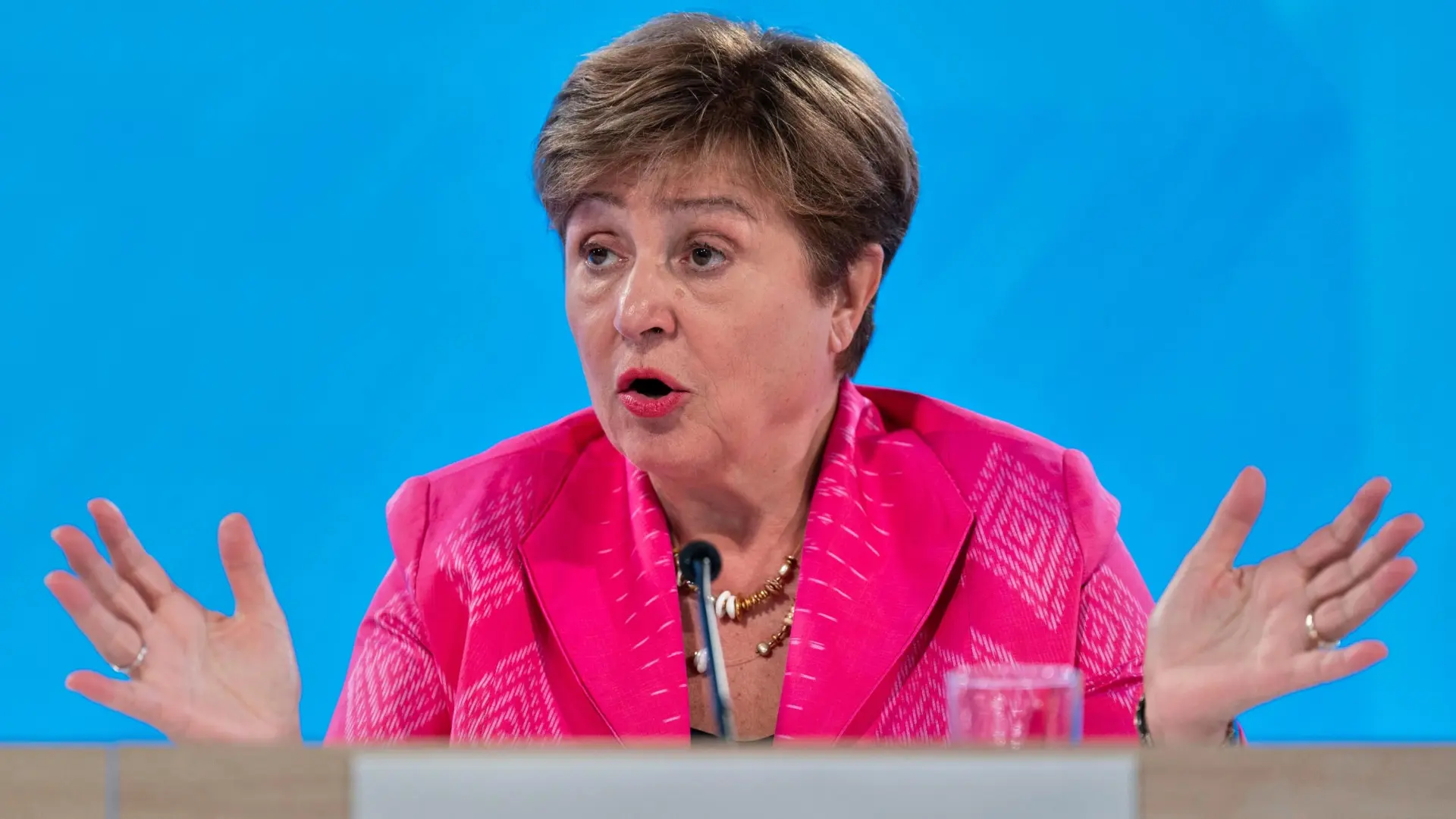
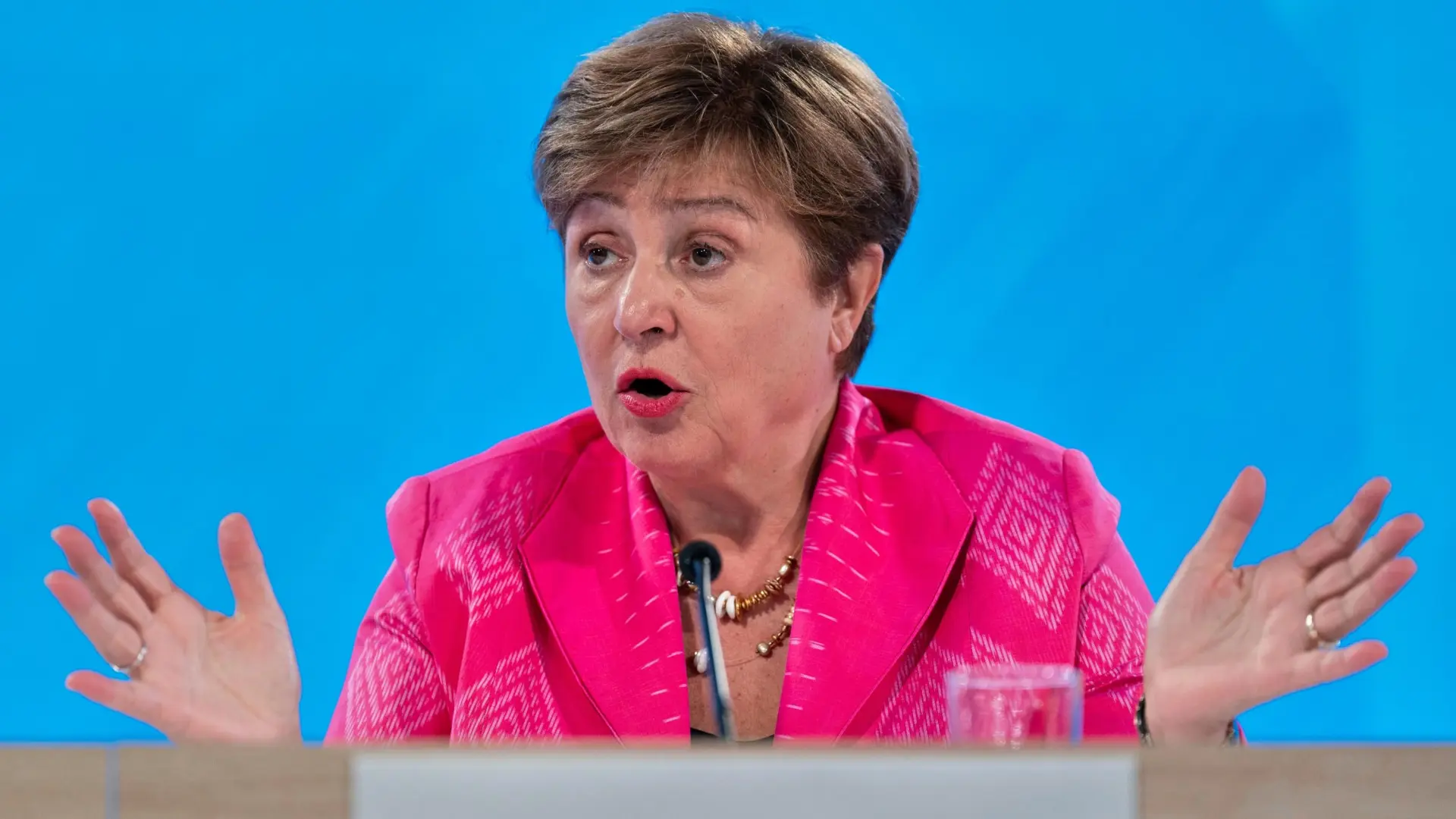
The Fund and the World Bank hold their annual meetings in Washington this week with the presentation of their new projections (WEO) in which they contemplate global growth slowing by one tenth this year to 3.2% and another next year, to 3.1%. “There are increasing indications that The adverse effects of protectionist measures are beginning to be felt“warns the organization led by Kristalina Georgieva, while detailing how the boost in exports and the anticipation effect on private spending – which acted as driving forces in the first part of the year – have been largely reversed.
Inflation is stabilizing above central banks’ targets and expectations remain fragile, creating a major dilemma for monetary policymakers. “As the global economy slides toward a more fragmented landscape, risks to the outlook increase,” the IMF adds. Although its central scenario barely changes and reflects a “gradual adaptation” to trade tensions, the progress of the global economy is clearly below the pre-pandemic average, which was 3.7%.
In the case of the Eurozone, the IMF contemplates that its activity accelerate two tenths with respect to its previous calculation to grow at 1.2%, but subtracts one tenth from next year’s progress (1.1%). This maintains Spain as the most dynamic economy in the region, facing the stagnation of Germany (its GDP will only advance by 0.2% while waiting to benefit from the macro investment plan in infrastructure and defense) and the weakness of Italy (0.5%) and France (0.7%).
The recovery of private consumption thanks to the increase in real wages and fiscal flexibility in Germany planned for 2026 they only partially compensate for this situation. On the contrary, Ireland’s good results boost growth in 2025. In fact, its economy had contributed “disproportionately” to the advance of the entire area in the first quarter, with a strong performance of exports driven by the anticipation of purchases in the pharmaceutical sector, for which the US tariffs have arrived somewhat later.
Unemployment and deficit, one of lime and one of sand for Spain
Apart from growth, the IMF predicts that price pressure will ease in Spain, that the public deficit decreases and that the unemployment rate continues to moderate. The organization places the annual inflation rate at 2.4% this year and 2% next year, very close to the medium-term goal set by the European Central Bank (ECB). The context of greater growth will allow the fiscal consolidation process to continue, so that the hole in public accounts will be reduced to 2.7% this year (from 3.2% last year) and to 2.6% next year.
Regarding unemployment, one of the great pending accounts of the national economy, Spain will register the highest rate among the most developed economies on the planet. Thus, the biggest cut will occur this year, when the rate will go from 11.3 to 10.8%; while next year the reduction will be just one tenth, up to 10.7%. The Ministry of Economy, Commerce and Business highlights the fact that for the second consecutive year, Spain continues to “lead the main advanced economies in a context of geopolitical and commercial uncertainty.”