The minimum wage begins 2026 without an increase due to the lack of agreement on its amount, taxation and absorption rules

Like the thermometer, the interprofessional minimum wage (SMI) starts the new year frozen. In your case, in the 1,184 euros per month for fourteen payments that it reached in 2025. The Ministry of Labor has yet to convene social agents throughout this month to negotiate a new increase. The agreement seems difficult and, at least to date, Yolanda Díaz’s department is closer to agreeing on the increase only with the unions… for the sixth consecutive year. However, the main obstacle in the negotiation between the Executive, the employers and the workers’ representatives is not so much in the amount of increase in the minimum wage, but rather in the reform of the absorption and compensation rules that the ministry intends to approve and which the CEOE opposes.
Recently, Labor sources were confident that the increase in the legal minimum remuneration could be approved before the end of this month to come into force retroactively from January 1. The other important unknown, whether or not the SMI escapes taxation in personal income taxthe amount of the increase will depend. Labor’s intention is that if it had to be declared, its increase would be greater, although the last word on the matter will be the Ministry of Finance, which, in fact, is studying expanding the current deduction by which the minimum wage is not affected by this tax.
Based on this variable, the committee of experts made up of members of the Executive, unions and academic professionals has put on the table a double proposal to increase the minimum wage. They are betting on raising it by 3.1% (by 37 euros per month to 1,221 euros per month) if it continues without paying taxes or by 4.7% (by 56 euros per month to 1,240) if it does so. The Government created this commission at the beginning of 2021 to establish the rate of increase that remuneration must follow until it reaches 60% of the average salary, as established by the European Social Charter.
The experts’ proposal differs from that of the unions, who favor an increase of 7.5% to 1,273 euros and that the SMI begins to pay taxes on income (after doing so the increase would be 2.7% to 1,216 euros net per month). It is also far from that of employers, who have put on the table an increase of 1.5% to 1,202 euros gross per month, that the remuneration is based on income and that the absorption and compensation rules of the Workers’ Statute are complied with.
The main point of friction
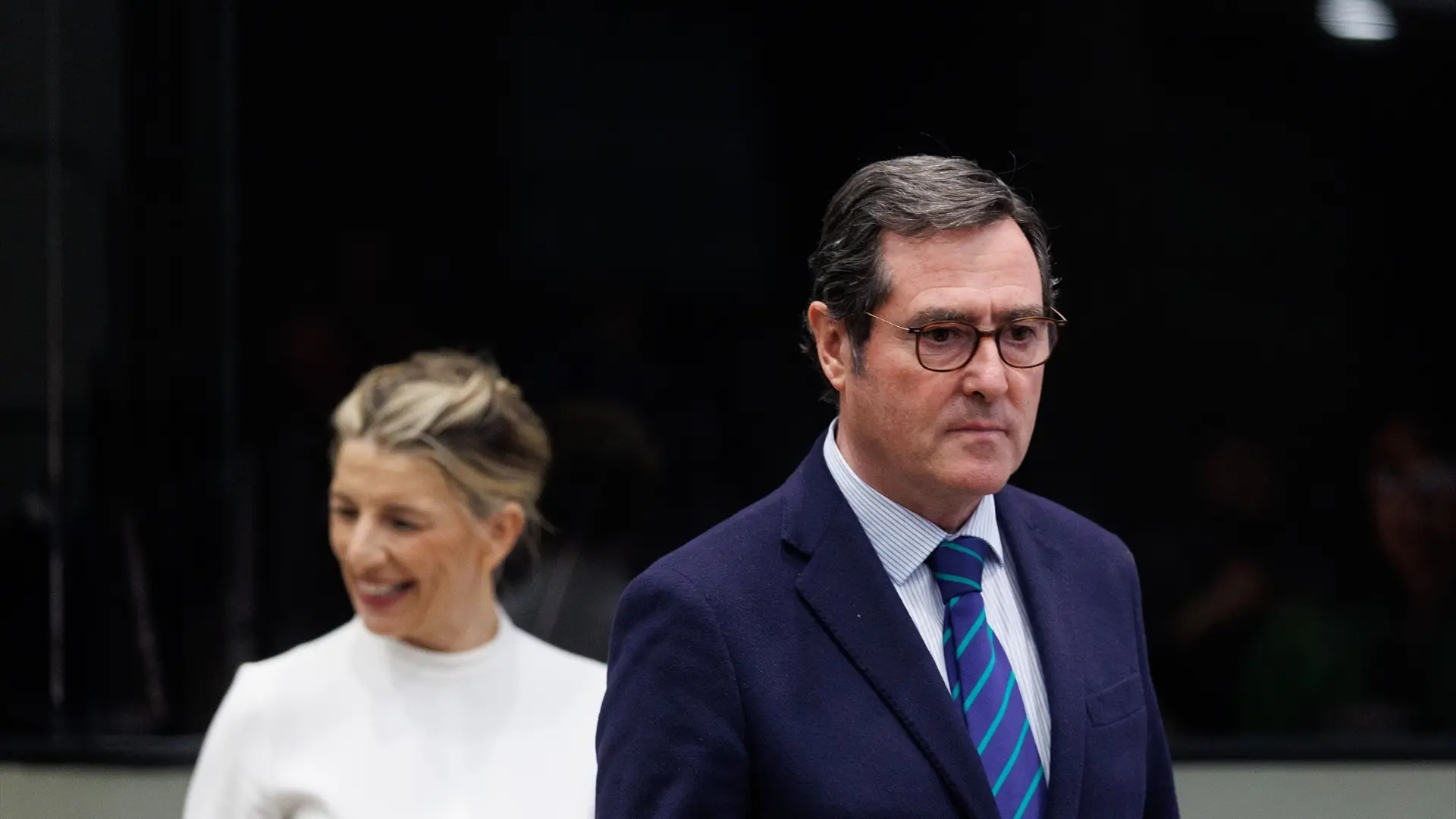
The latter represents the main point of friction with the Government and with CCOO and UGT. The Executive wants to reform these rules to set limits to the absorption of the increase in the SMI in the benefits that companies pay their workers, such as night shifts, seniority, productivity or for working on holidays, for example. The leader of the employers’ association, Antonio Garamendi, has threatened to go to court if this happens. “It would break many agreements,” Garamendi recently warned, remembering that there can be different complements in a squad.
The last time CEOE and Cepyme gave their support to the increase in the SMI was in 2020, when the remuneration went from 900 to 950 euros per month. Although Labor is not obliged to negotiate the increase, it traditionally tried to reach an agreement with unions and employers to set this increase, a situation that has not occurred in the last five years.
The most common salary
In the last seven years the minimum wage has risen close to 61%, which has placed its amount in the most common salary range. This has caused remuneration to cease to be the reference for unskilled or inexperienced workers, as the commission of experts highlighted just a few days ago. Its increase has caused the concentration of employees “in a narrow salary band around the minimum wage (…) with the potential danger of experienced workers or people with average qualifications falling within said band,” its report maintains.
This is due to the lack of transmission to the entire salary structure of the increase in the SMI, which has moved from 735.90 euros gross per month in 2018 to 1,184 euros in 2025. In the salary structure survey for 2023, the last available, the National Institute of Statistics (INE) explains that the displacement of low-paid workers to the range of 15,000 to 16,000 euros gross per year, which that year accounted for one in four.