The necessary attention to "energy roads"
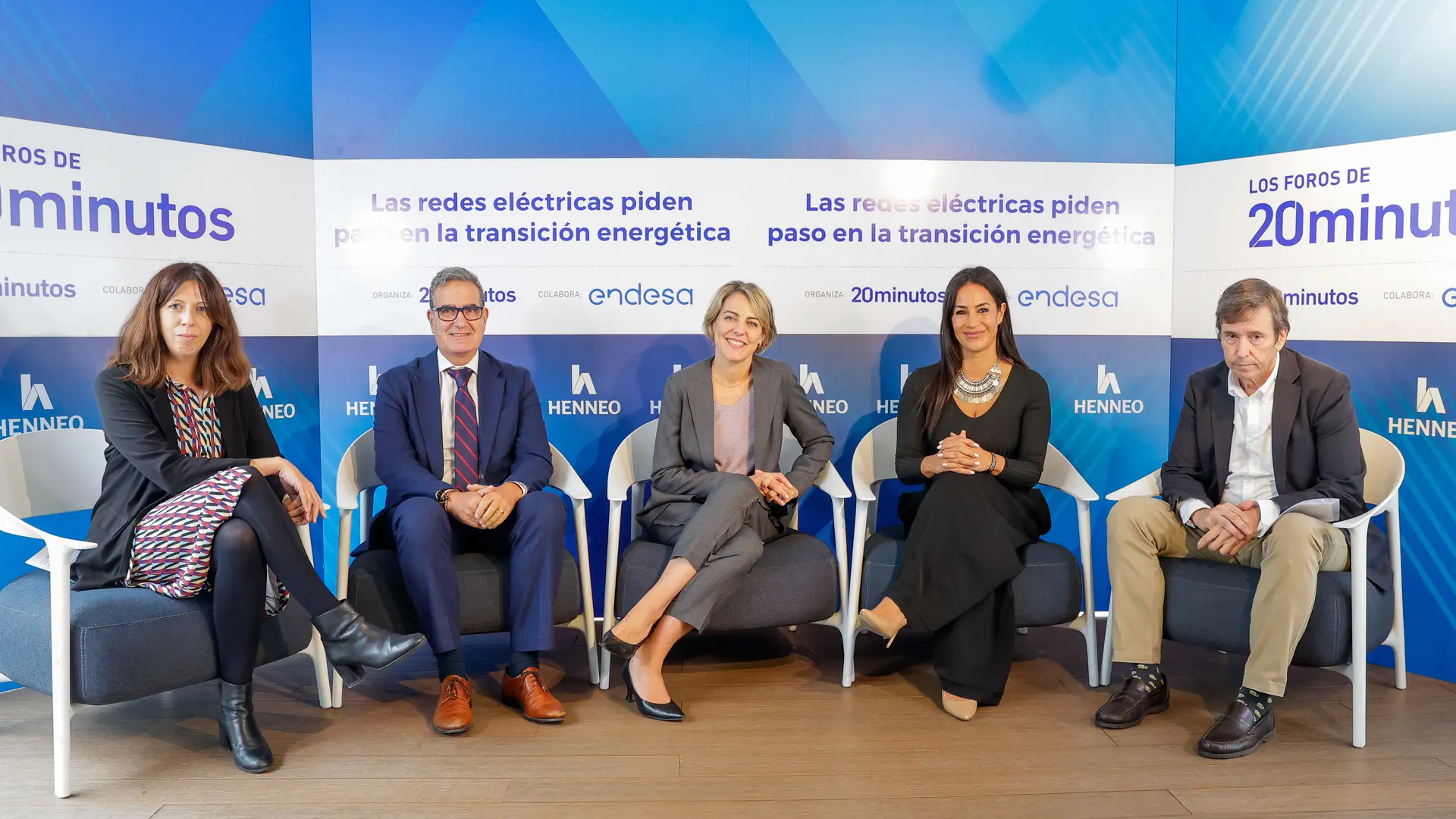
In the second round table that took place in the forum on electrical networks of 20 minutesthe reasons why networks are considered strategic for an energy future and industrial competitiveness were addressed. The articulation of a remuneration framework that encourages investment without making the system more expensive was also proposed.
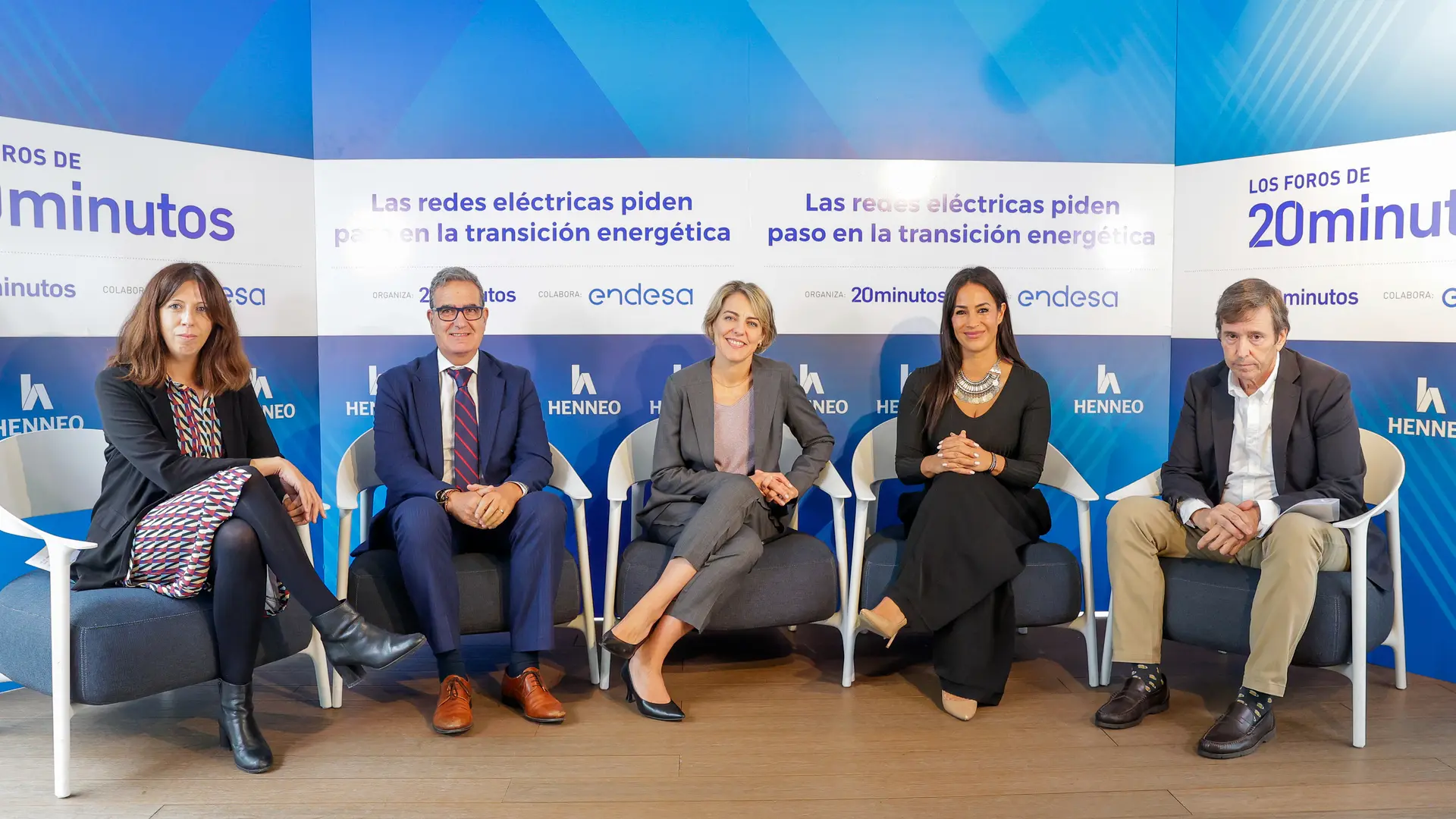
In this conversation, moderated by the editor of 20minutos Clara Pinarthe Director of Regulation of the Association of Electric Energy Companies (Aelec) participated, Martha Castro; the general director of the Association of Real Estate Developers of Madrid (Asprima), Jorge Gines; the executive director of Spain DC, Begoña Villacís; and the general secretary of the Association of Engineering, Assembly, Maintenance and Industrial Services Companies (Ademi), Julio Nieto. The speakers argued that investing in distribution networks is synonymous with investing in the development of Spain, so not carrying out this investment in the network would lead to “a decrease.” Using an anatomical simile, experts considered the networks as “the arteries through which the blood on which Spain lives circulates”as well as “the backbone of the Spanish economy”, which means that a lack of investment would put at risk Spain’s ability to take advantage of the energy transition.
In this sense, Villacís assured that Spain is a country “very competitive” in this area, since it has all the resources to be “an ideal place” to establish data centers, and to offer industry and energy producers what they have been demanding “for a decade: an increase in consumption”. Therefore, according to Marta Castro, the lack of network capacity could cause the loss of 70% of new requests for access and connection of new industry in Spain.
Thus, Jorge Ginés raised the point of view of real estate developers and stated that Spain’s growth is being held back by “the cholesterol of hyperregulation” and taxation. “If you compete with other countries there are two fundamental factors, which are taxation and energy,” said Ginés, who explained that when someone decides to establish an industry in a country they look at two things: “What costs me to make the screws, and to make the screws what costs me the most is the energy, and then its quality.”
Following this line, Marta Castro explained that energy distribution networks are like “roads: the more cars that travel on them, the less tolls are paid. Well, the same thing happens with megawatts”. In this way, Castro stated that the more megawatts circulate through the networks, the cheaper the consumer’s rate will be, which is why the Aelec board warned that if investment is not made in the electrical networks it is “very likely” that the electricity bill will become more expensive, while at the same time “all the effort” that has been made in recent years with the commitment to renewable energies will not be taken advantage of.
Along these lines, Castro pointed out some deficits that the current remuneration model presents. The first is related to the requirement that it be “guarantee enough” to ensure the recovery of the investment, something that the current framework does not meet, according to the Director of Regulation of the Aelec. Secondly, this remuneration model establishes cuts in operation and maintenance costs, which encourages the creation of networks low costas Castro specified, instead of “robust and resilient” systems. Finally, this model establishes a rate of financial remuneration “much lower” than the European average, which causes “capital flight” to other more profitable countries.
Julio Nieto wanted to emphasize this point, who from the field of engineering and maintenance stressed that if the investment is not attractive, the network will not be able to be maintained and it will become “unstable”which will revive failures that “younger generations have not known.” The general secretary of Ademi pointed out that the networks are reaching 90% of their capacity in some points, which means that the investment “must be made and it must be made now”, because if not “There will come a point where it will not be possible to maintain all those requests that are made to the network, which are good projects for the economy”.
Another key that the speakers commented on was the issue of storage, which they defined as “a fundamental need and not just a complement”. Specifically, storage is the key infrastructure to make the most of renewable energies, since it allows surplus energy to be stored for use when there is less production, offering a storage service. “stability and security” to the network. Regarding social perception, the speakers pointed out that the Spanish population is very aware of the importance of light, especially after the blackout last April.