The SMI debate is no longer just how much it rises, but what country we want to be
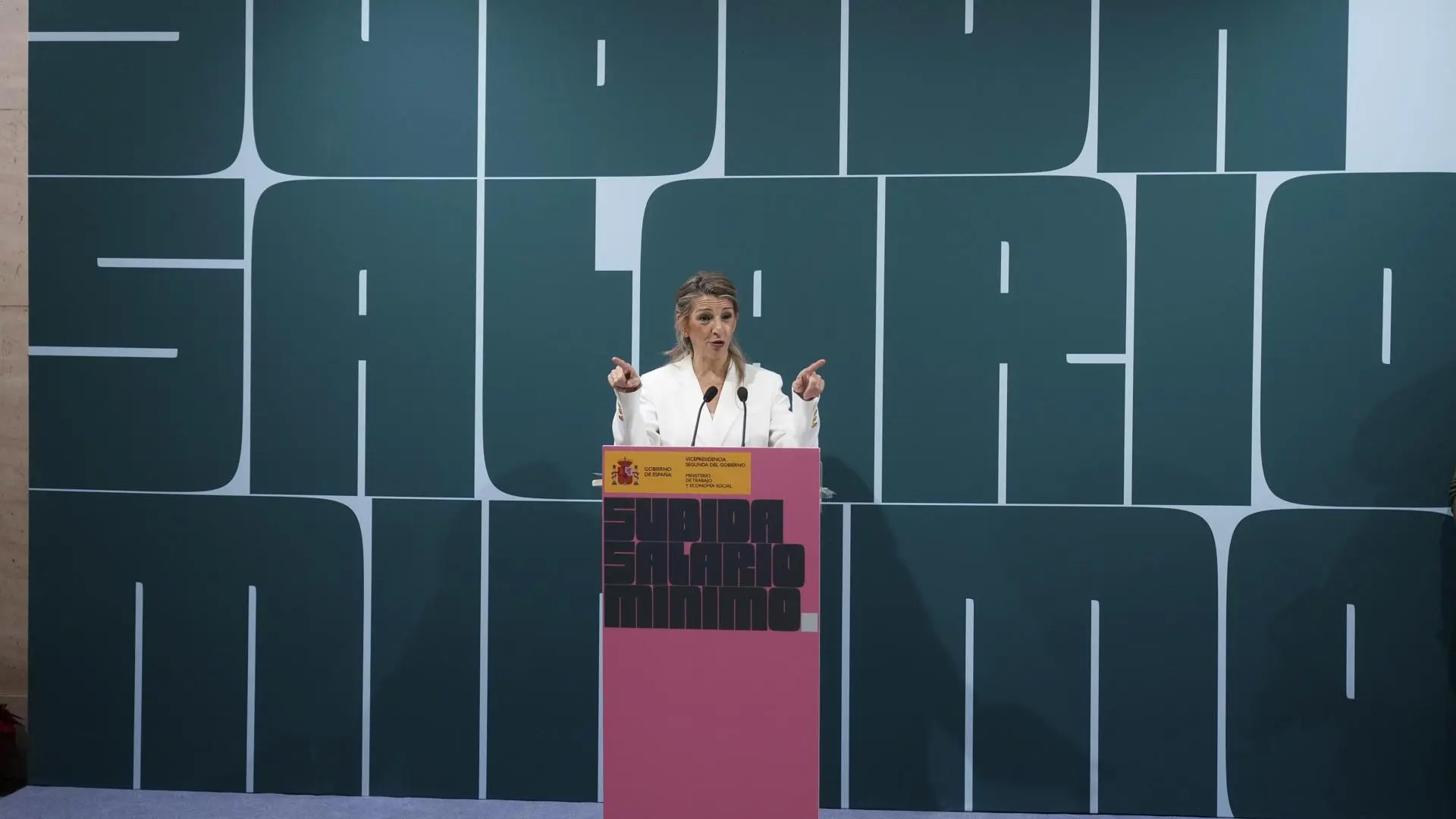
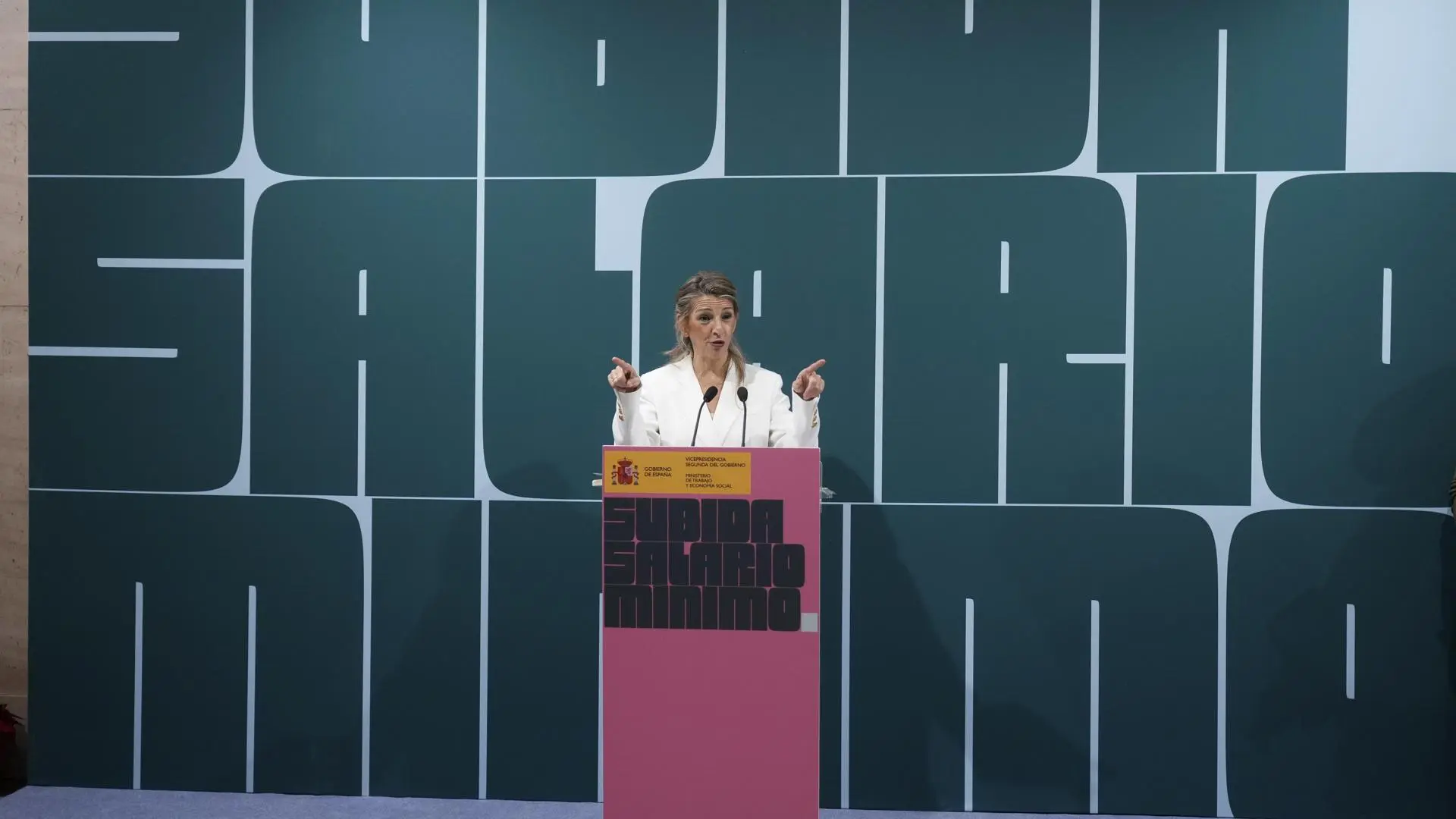
The proposal presented by the Government on January 7, 2026 to increase the interprofessional minimum wage by 3.1%, reaching 1,221 euros per month, extends the situation of fiscal exceptionality applied in 2025, maintaining extraordinary deductions in the quota, around 600 euros per year, so that the minimum wage is finally received in net terms by workers.
It is a measure aimed at immediately protecting the purchasing power of those who earn the lowest salary, but which, in our opinion, continues to postpone a substantive debate that Spain must face as soon as possible. It is not only about when the SMI must be taxed, but also about reviewing and updating the marginal tax rates to prevent the entry into taxation from occurring at excessive rates, which distort any salary improvement and penalize precisely those who begin to emerge from more precarious situations.
We understand that the minimum wage must be taxed, like the rest of the income from work. But for this to be fair and socially acceptable, the SMI must first achieve the standards of sufficiency and dignity required by the European Social Charter and which the resolutions of the European Committee of Social Rights have been reiterating. Fiscal exceptionality cannot become a structural or permanent solution. It is a patch that delays the debate, when what we need is to resolve it at its roots.
Furthermore, this debate cannot be carried out by comparing net figures between countries, because European tax systems are not homogeneous, neither in rates nor in withholdings. Therefore, when we talk about the threshold of 60% of the average salary, we must do so – as is appropriate from a technical point of view – on the average gross salary, and obtain a gross reference as well. According to Eurostat, the average gross annual salary in Spain in 2024 was 33,700 euros, clearly below the European average. 60% of that amount places the minimum reference salary is around 1,444 euros gross per month. That is the real magnitude of the debate.
“Fiscal exceptionalism cannot become a structural or permanent solution. It is a patch that delays the debate, when what we need is to resolve it at its roots”
Within this framework was the proposal for a 7.5% increase in the SMI, which was neither arbitrary nor maximalist, but consistent with the need to move towards that European threshold of sufficiency and open, once and for all, the tax debate in terms of justice and progressivity. It is not just about how much the minimum wage rises, but about what salary and fiscal model we want to build.
At the meeting held, another structural problem that directly affects thousands of workers was also put on the table:The perverse effects of Law 2/2015, on deindexation, in the field of contracts and subcontractors of public administrationsespecially in sectors such as cleaning, security or outsourced services. Since the approval of this norm, the increases in the SMI – and in the salaries agreed upon in collective bargaining – cannot be transferred to the price of administrative contracts, generating an extremely complex situation for both companies and, above all, for workers.
This problem is not new. For this reason, in the V Agreement for Employment and Collective Bargaining, signed by union and business organizations, The elimination or modification of this regulation was expressly requested.which prevents the normal development of labor relations in contractor and subcontractor companies and directly affects collective bargaining and makes it difficult to update the SMI in these sectors.
Furthermore, this reform is no longer just a matter of internal policy, but also of compliance with European law: Article 9 of the minimum wages directive requires guaranteeing that wage obligations and collective bargaining are respected in public contracts. Therefore, It is appropriate to jointly address the fiscal exceptionality of the SMI and the updating of prices in public contractsso that salary increases are effectively passed on to those who work in they.
There is also an essential element that must be addressed without further delay: the fair regulation of compensation and absorption of increases in the minimum wage. If this mechanism continues to operate as before, salaries closest to the SMI will continue to suffer real losses in purchasing power, effectively neutralizing the agreed increases. The minimum wage cannot become a ceiling that flattens agreements and freezes salariesbut on an effective floor that boosts wages, productivity and labor dignity.
“The SMI cannot become a ceiling that flattens agreements and freezes salaries, but rather an effective floor that boosts salaries, productivity and labor dignity”
In a particularly turbulent international panorama, marked by economic and geopolitical uncertainty, Social dialogue is not a luxury, but a democratic and constitutional necessity. Reaching an agreement on wages would be clear proof to the country that the social partners recognized in Article 7 of the Constitution – unions and business organizations – are capable of assuming their historical responsibility and building consensus for the benefit of the general interest, providing stability, certainty and social cohesion at a time when Spain needs agreements that reinforce collective trust more than ever.
The SMI debate is no longer just how much it increases, but what country we want to build. A country that patches structural problems or one that dares to solve them. A country that postpones uncomfortable debates or one that faces them with social and European ambition. We are clear: decent wages, strong collective bargaining and tax justice are not ideological options, but rather the minimum pillars of an advanced social democracy.