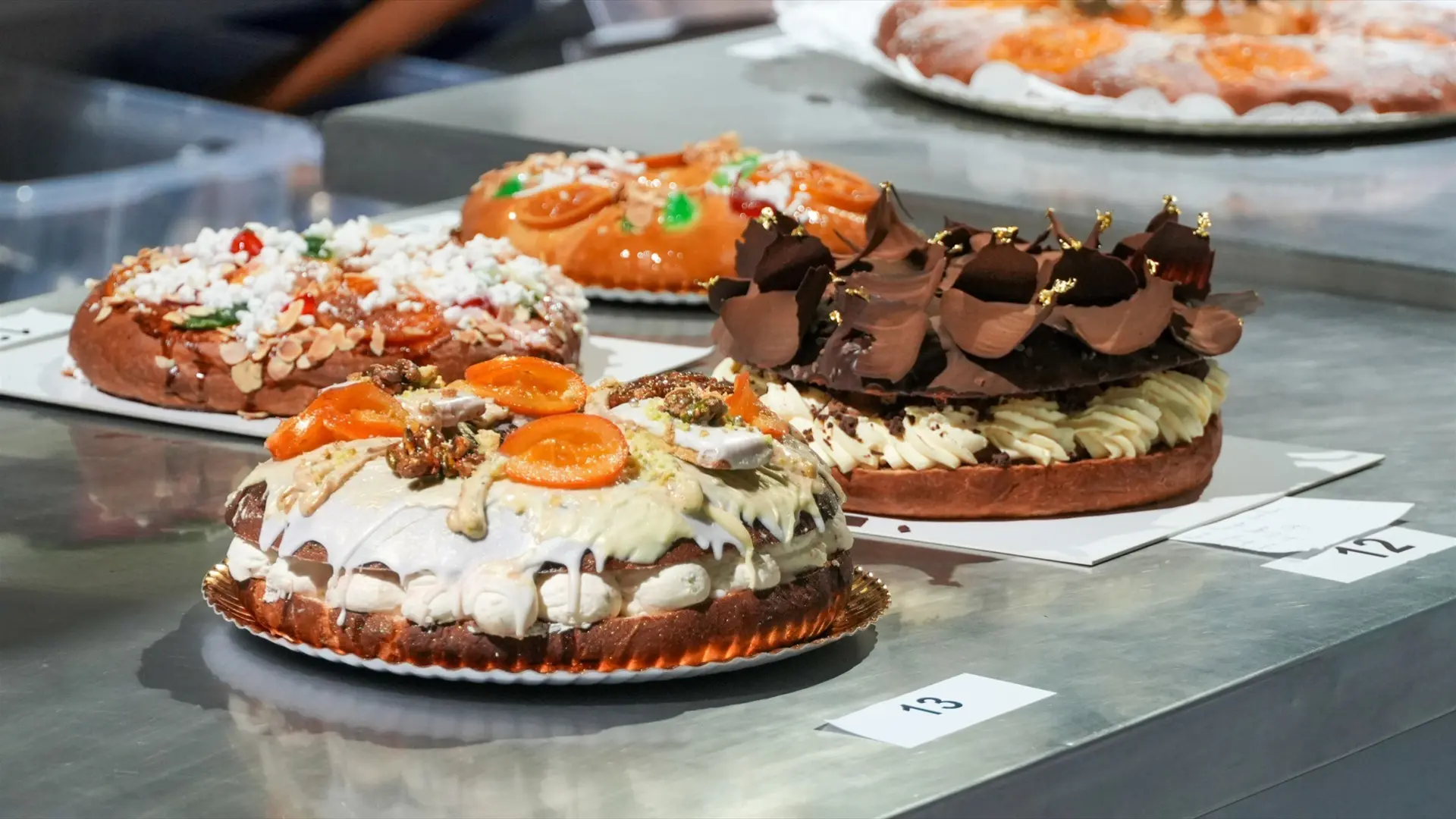
The OCU warns that 5 out of every 12 filled roscones mix cream with cheaper fats
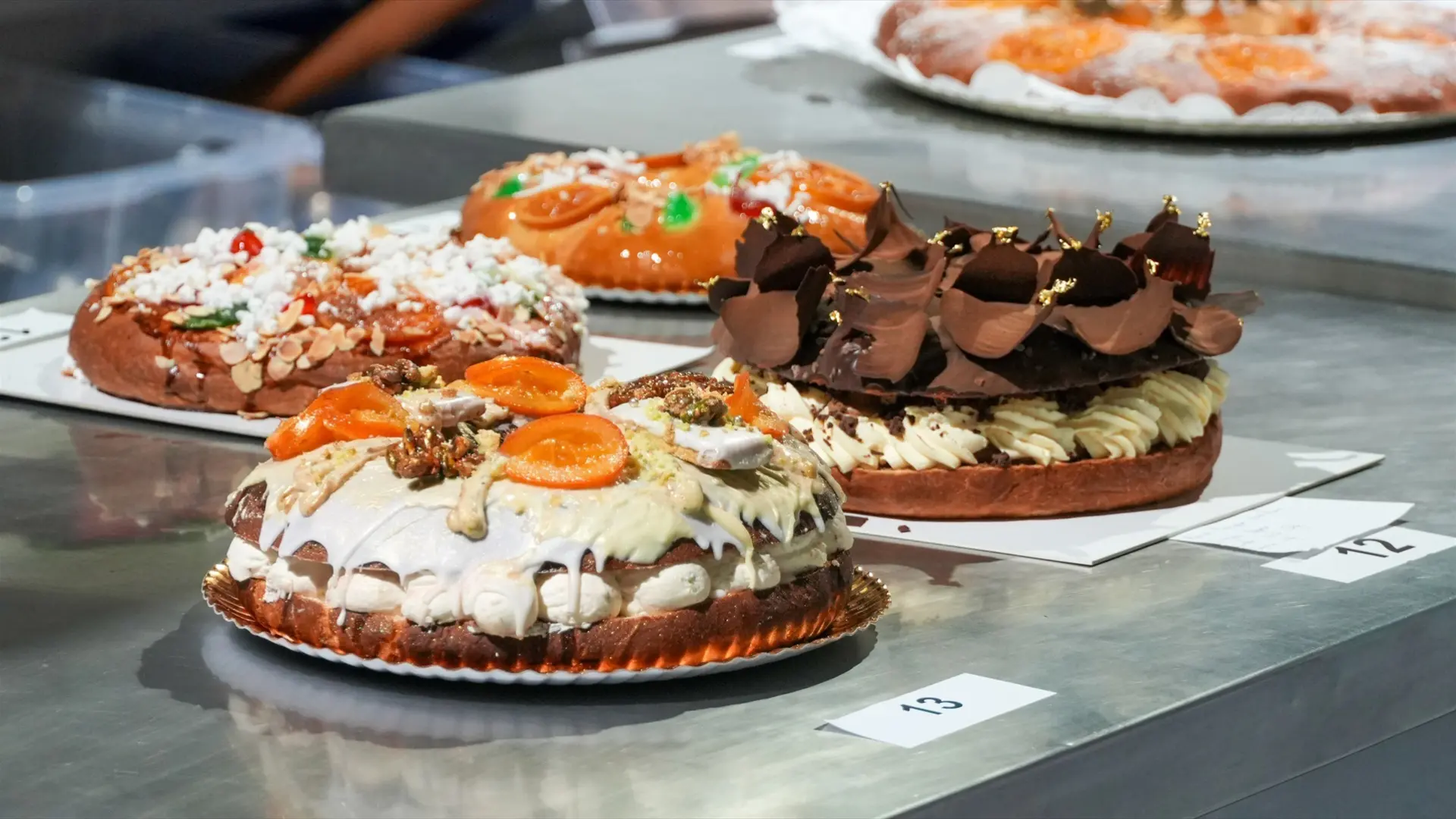
The roscón de reyes is one of the great Christmas traditions. Every year it is estimated that Spanish families can consume almost 30 million units of this bun. An important part with cream or truffle filling, above all. The Organization of Consumers and Users (OCU) has analyzed a dozen of them marketed by the main supermarket chains and detected that In 5 of them, the cream has been totally or partially replaced with vegetable fats. cheaper, such as palm, coconut, rapeseed or palm kernel. The OCU points towards those marketed by Aldi, HiperUsera, BM, Froiz and Mercadona. In this sense, they remember that the filling made exclusively with cream – detected in more than half of the roscones studied – and that it can account for 45% of the total weight.
To reach these conclusions, they explain from OCUinformation has been gathered on the nutritional assessment, the quality of the ingredients, the presence of additives, the degree of processing and the information that appears on the labeling. To which has been added the tasting ratings of a panel of expert pastry chefs. Only 3 of the roscones that have achieved a higher scorer at 60 points out of 100, the barrier above which they consider the examined roscón to be of good quality. These are the donut filled with 100% Carrefour Extra cream and which is sold at 12.65 euros per kilo. They give it a total rating of 63 points out of 100 and highlight that the bun is well fermented, in addition to praising its “good size”, abundant grain sugar and a juicy texture. In addition to other qualities such as “the abundant presence of cream of balanced sweetness”and its balanced orange blossom flavor.
They also receive the best congratulations in the OCU study. 100% cream roscón from El Obrador from El Corte Inglés which is sold at 20.88 euros per kg. It receives an overall rating of 62 points out of 100. About it they highlight that it is a bun “well fermented with pearl sugar, typical roscón texture, tender.” They also emphasize that it has a good pastry smell and that the cream has a good flavor with balanced aromas. He is followed by 100% cream donut from Lidl with a price of 12.65 euros/kg, which gives a global rating of 60 points out of 100. Regarding the characteristics of this type of roscon, they once again positively value its size and fermentation “with abundant pearlized sugar and correct texture.” He has also added that he has “good smell of pastries” and that its cream filling has a balanced and pleasant sweetness. “The bun is tasty, with a strong orange blossom flavor,” point out the experts who helped the OCU in this study.
Strong presence of additives
Another problem that they detect in all supermarket roscones is what OCU calls “abuse of additives” and they point out that there are 12 on average, reaching up to 19 in the case of Ahorra Más. The most predominant are colorings, according to the analysis of this consumer organization, especially in candied fruit and to which they are added preservatives, emulsifiers and texturing agents which are frequent ingredients in food products subjected to freezing and subsequent freezing. In his opinion, this process may be the reason for the lack of almond crunch which appears soft in many cases and would distance it from artisanal elaboration.
Tips when buying your roscón
From the OCU they advise that before buying a supermarket roscón you check the expiration datesince depending on the cases it can be only 2 days as they are already thawed roscones and warned that they should be consumed in moderation since they are rich in fat (17%) and sugar (19%). They also recommend being attentive to other information such as your healthy scale (Nutriscore) and his processing grade.
Consumers’ favorite
Despite all of the above, the roscón de reyes continues to be the favorite of consumers. According to a Carrefour study, 73% of customers prefer it, with or without fillingcompared to other options such as pannettones. Furthermore, among those who prefer this last bun of Italian origin, half of those surveyed prefer this sweet with chocolate chips surpassing those who opt for the traditional recipe with raisins. A fashion that is no longer passing and in which more than 90% of the consumers participating in the study already consider it a regular at Christmas dinners.