“The problem for a businessman is not paying a lot of taxes, but how they are managed”
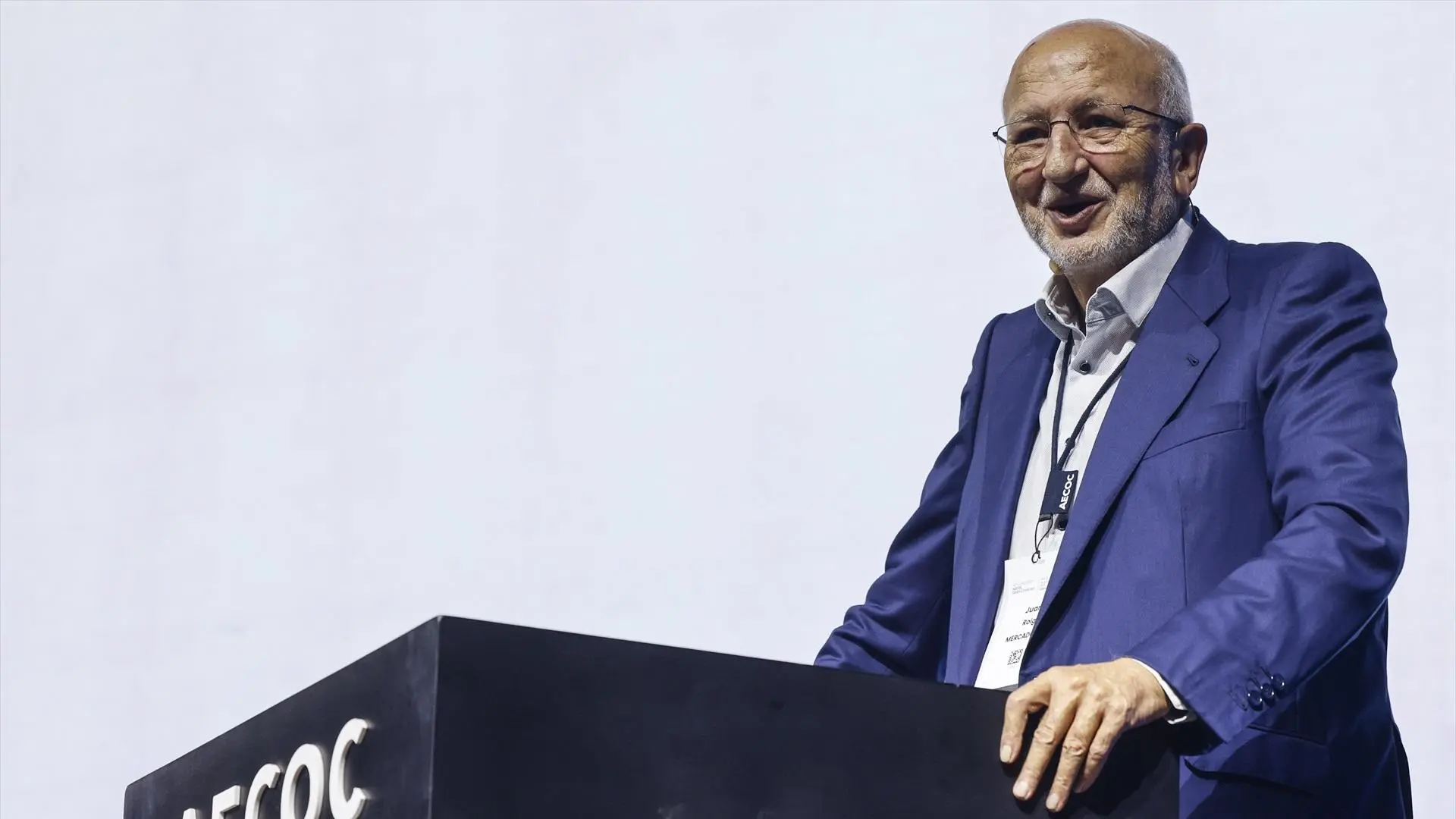
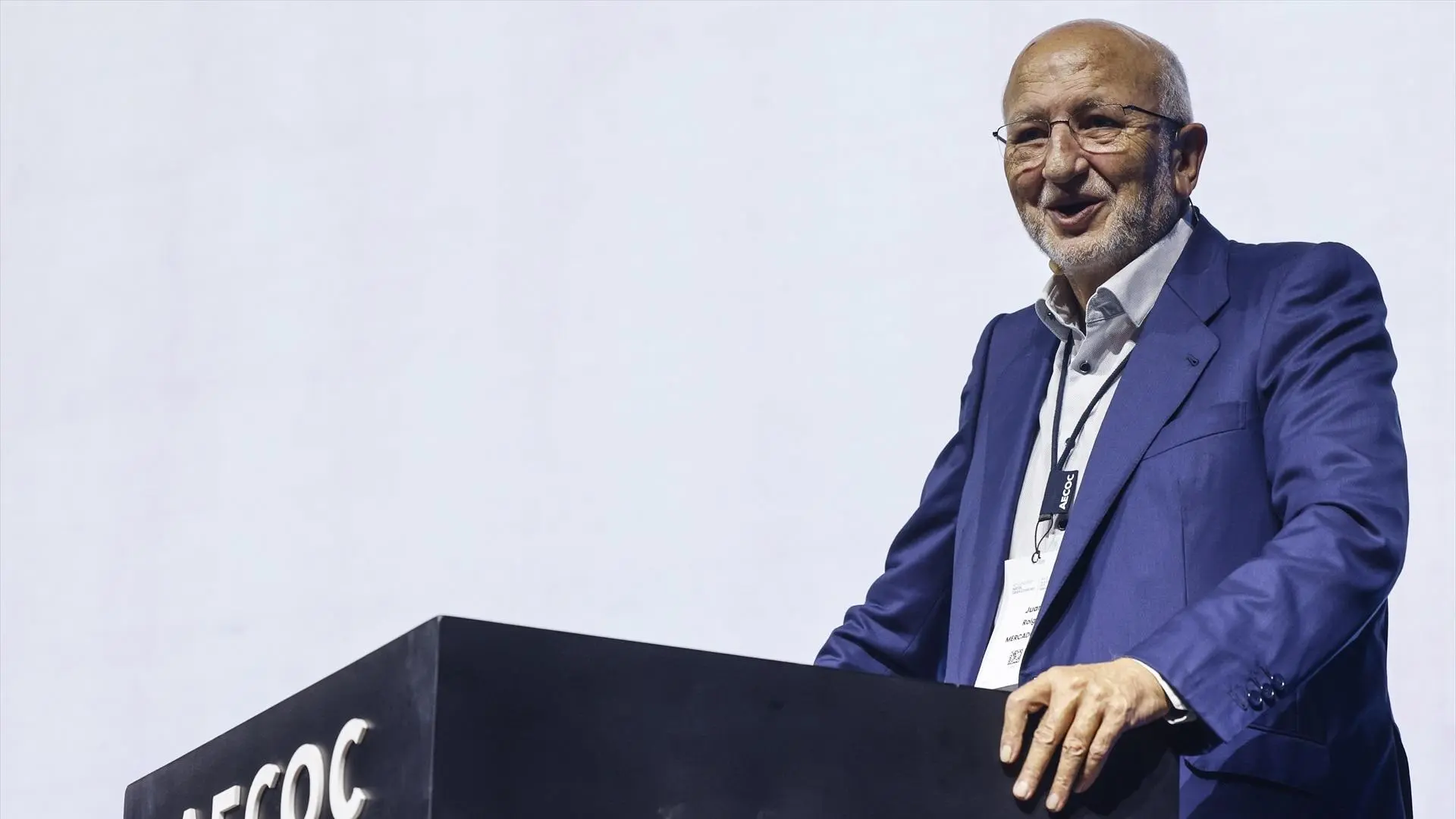
In the midst of national controversy over the proposal to increase quotas for the self-employed that the Ministry of Social Security launched last week – and which finally led Elma Saiz’s department to rectify and announce a freeze for the lowest sections – the president of Mercadona has also entered the debate on the tax on entrepreneurs and companies. Juan Roig has assured that “It is not a problem for a businessman to pay a lot of taxes”because they feel “proud to do it”, but “the problem is how they are managed.”
His words have given the starting signal to the Aecoc congress of mass consumption companies, which is celebrating its fortieth edition at the Roig Arena in Valencia. In his conference ‘The pride of being a businessman’, he encouraged the audience to “come out of the closet, to be leaders” in society and defended that businessmen are the ones who move the world.
Thus, he has called on his colleagues to ask themselves what they can do for the country, instead of thinking about what Spain can do for them. “Having profits is essential for a businessman, but It cannot be your main purposeit is not healthy, but it is the only way to satisfy the worker, to reinvest, and that is why we must feel proud and be a reference in civil society,” he added throughout his speech.
This is not the first time that the president of Mercadona has spoken out on the issues that mark current political and economic events. He recently warned about the risks of reducing the working day from 40 to 37.5 hours a week, a measure that, he said, will affect “everyone except the worker” and that could even reduce tax collection if business profits decline.
He said this in the midst of a controversy between the CEOE, which flatly rejects the measure, and the Government, also making it clear that “obviously”, if this reduction is implemented, Mercadona will comply, “as we comply with all the law.” On numerous occasions, Roig has also criticized the climate of political confrontation that exists in the country and which, from his point of view, negatively affects both businessmen and civil society.