The Realpolitik of Trump’s intervention in Venezuela
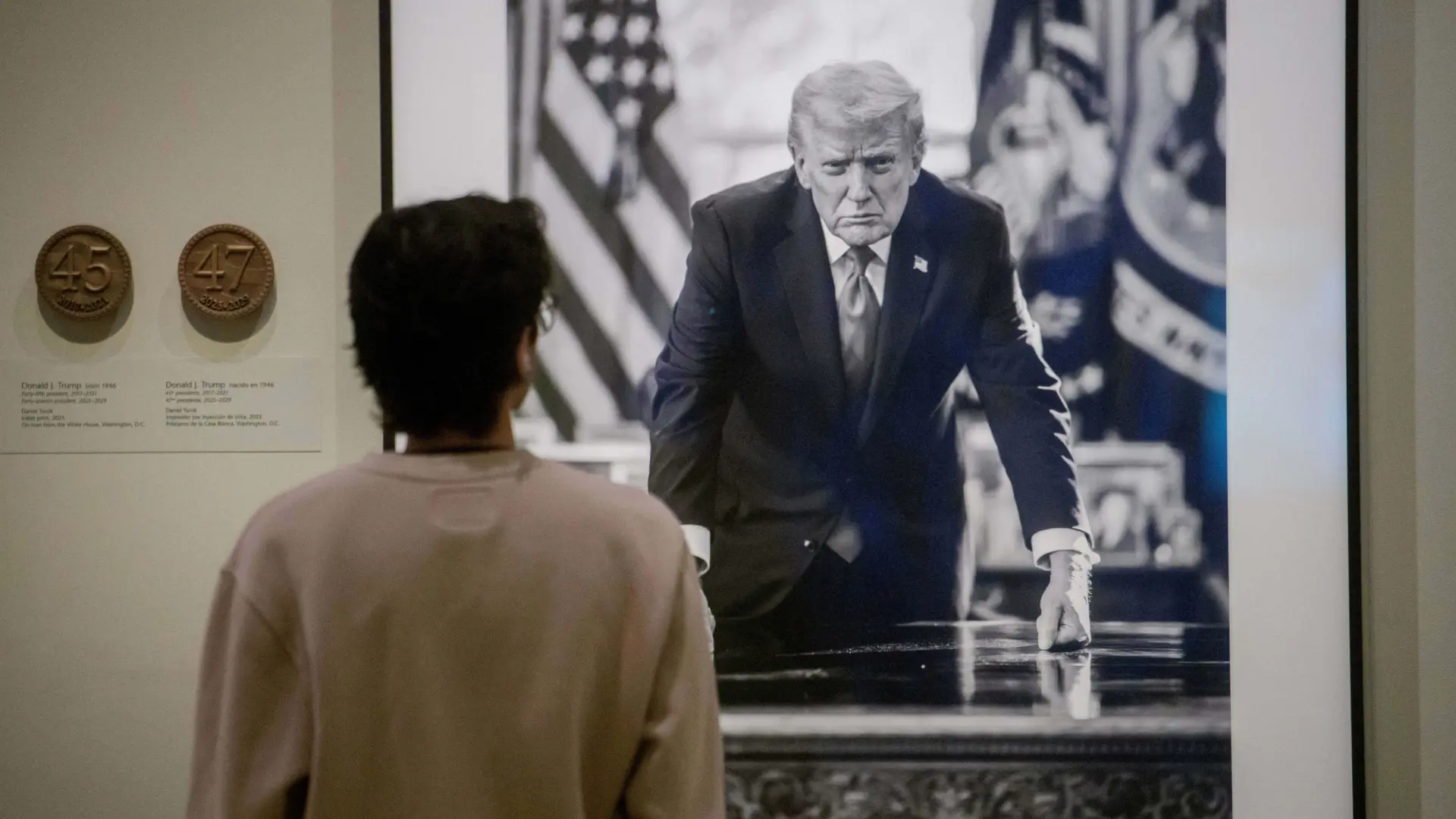
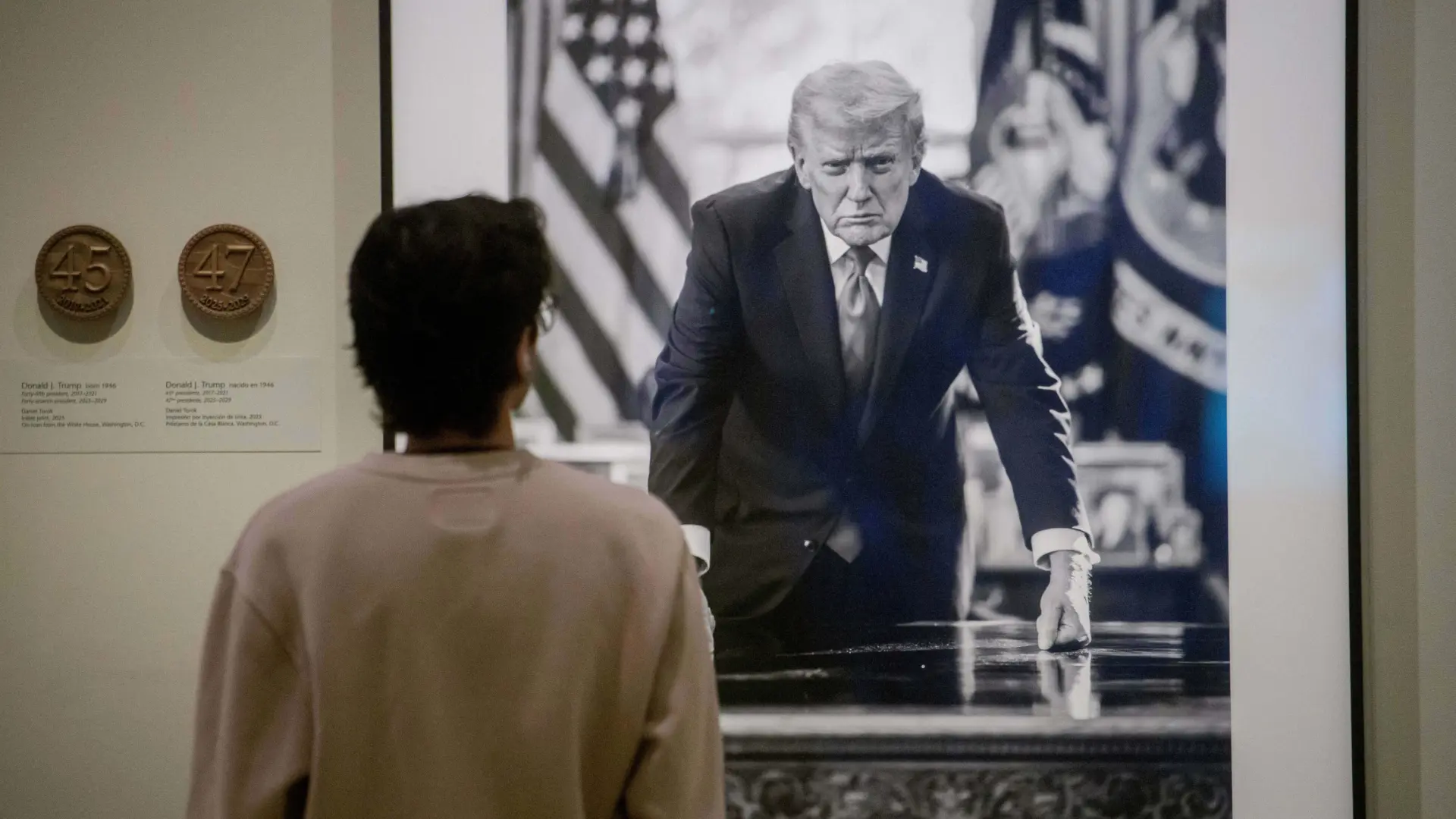
The political and diplomatic world is divided with the intervention of the United States by order of its president, Donald Trump, regarding the arrest of Maduro and the political intervention of a land as dear to Spain as Venezuela.
The division between those who consider that the US has committed an unacceptable outrage by intervening in a foreign country with the undisguised purpose of keeping its oil and those who in one way or another applaud or consider, like in Spain, people from the PNV with ties to Venezuela such as the former parliamentary spokesperson, Iñañi Anasagasti, who, more than a violation of international law, sees the intervention as a response to the violation of human rights.
I don’t like Trump, nor his ways or manners. But by their works you will know them. I liked Obama better, but I was also not relieved that he ordered the assassination of Bin Laden, watching him from his couch in the Oval Office with the establisment American, among others the Secretary of State, Hillary Clinton, and even less so that he maintained Guantánamo. In the US, despite what has been said these days, The American Constitution does not govern foreign policy matters. Like it or not is the dominant thesis in the American TS.
Sometimes, as Adam Smith argued, Particular or individual selfishness can help improve the general interest. The current world under the aegis of two tightrope walkers like Putin and Trump and the watchful eye of Xi Jimping is not the best of all possible worlds. Nor was it the one before the fall of the Berlin Wall (1989), after the Fukuyama’s hopeful vision of the end of ideologies in a liberal-based world that ended the Cold War.
The previous world, that of Cold War, it was not a world governed by international law, since it must not fail to be remembered that the ancient law of nations is a soft Lawthat is, a Right that does not have coercion, since institutions such as the UN or the International Court of The Hague do not have sufficient force to impose or restore the infringed right beyond fines and sanctions in many cases inoperative, especially when their jurisdiction, as in the case of the International Criminal Court (ICC), is not accepted by all the States of the world (among others, Russia and the United States). As pointed out Borrell, we live in a world of carnivores and not herbivores.
Francis Fukuyama’s mirage of a world without dictatorships should not make us forget the Soviet invasions of the 1950s and 1960s in Hungary, Czecholovakia or the Soviet nuclear missile crisis in Cuba (1962), looking at the United States (the first major test for John F. Kennedy) in foreign policy etc.
Neither do the US interventions in Central America and Hispanic America such as the CIA coup in Chile (1974) deposing Salvador Allende and making possible, with the help of H. Kissinger, a regime like that of Pinochet.
USA since the formulation of the Monroe doctrine, America for Americans (1823) revisited by Teddy Roosevelt (1904) who added that the US had the right and duty to intervene in Latin America and now called Donroe, in honor of Trump, which Spain suffered with the Cuban war (1898), to later install the US in the pearl of the Caribbean a corrupt regime like Batista’s and end up being the worst dictatorship at the hands of the Castros, does not have a good pedigree in defense of human rights in the American subcontinent.
For this reason it was formulated by the distinguished Mexican diplomat Genaro Estrada in 1930, the Estrada doctrine that bears his name, which theoretically prevents intervening in any country, thus respecting its political regime. Spain in its relations with the Latin American world has observed this doctrine from the Castiella Ministry (Foreign Minister under Franco) to the present day. All of which leads to the fact that here there are no formally good or bad (friends or enemies) but, as Lord Parlmeston would say, permanent interests.
I prefer, however, to stay in these difficult hours of the international situation with Willy Brand’s ideas about Realpolitik that he applied to his politics ostpolitik. Well, from a practical point of view, fall ofThe dictatorial regime of Chavismo is positive. As well as from the point of view of respect for human rights, if it becomes a democratic country again.
We’ll have to see how it ends the american protectorate about Venezuela with the help of the Cuban Secretary of State, Marc Rubio, and his plan to stabilize, recover and allow free elections.
Spain has something to say. But not from the hand of a Minister like Albares or a discredited president like Sánchez. There are prestigious people in our country who could be recognized as good interlocutors if we exclude the take advantage of Zapatero.
I hope that at the beginning of this already complicated 2026, the world walks with a certain balance derived from the existing tension and that the war in Ukraine ends with a vision of Realpolitik, since today there are no principles that the States observe. The time ofgentleman’s agreement, went down in history.