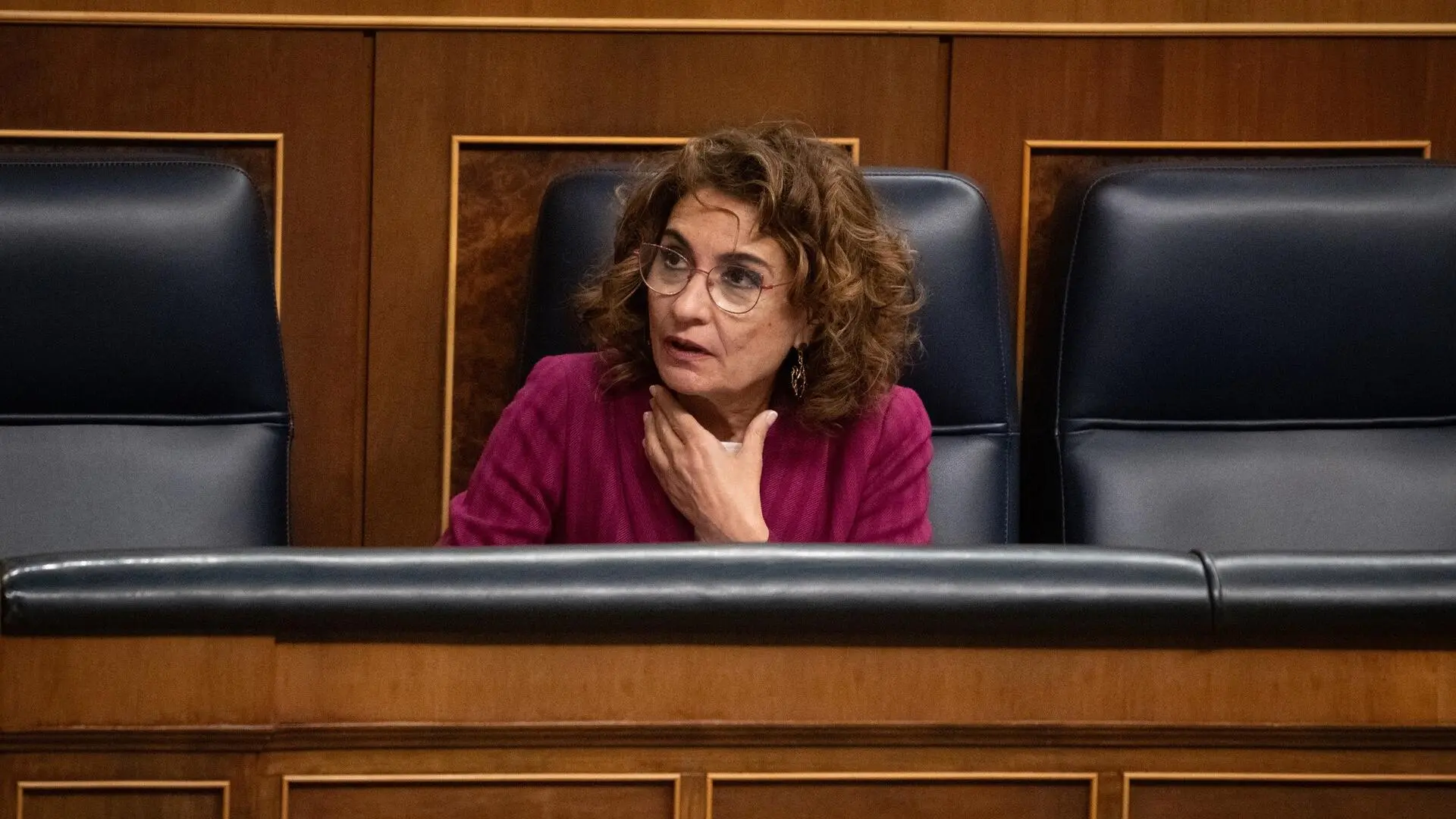
The third extension of the Budgets will make Montero’s latest accounts the longest in history
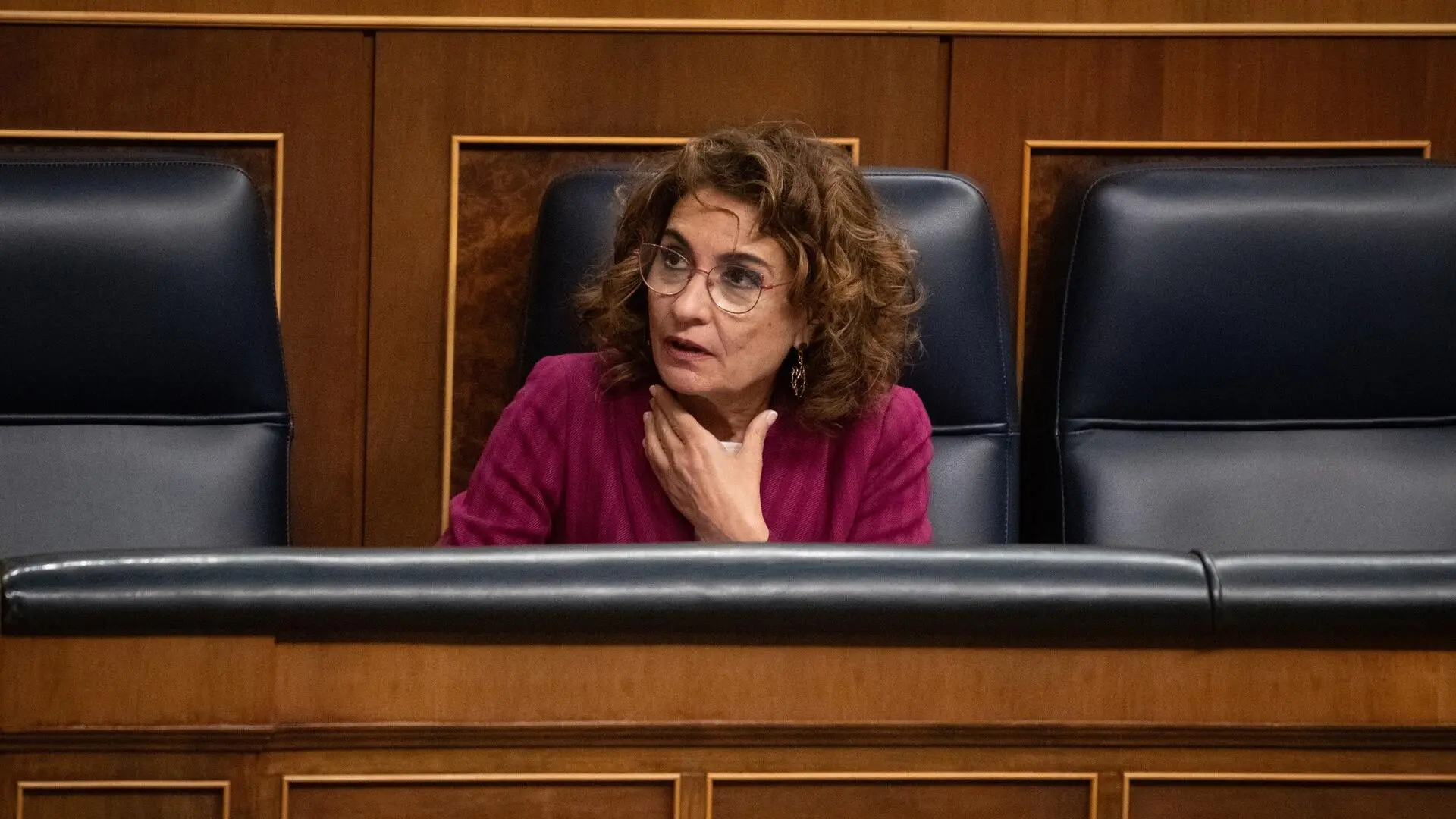
When at midnight on December 31 the last of the twelve bells rings and millions of Spaniards are chewing – hopefully – the twelfth grape, the General State Budgets of 2023 will be automatically extended for the third consecutive year and they will become the oldest in history. That ‘title’ was held, until now, by those approved for the 2018 financial year by Cristóbal Montoro, former Minister of Finance with the PP.
In the seven years that Pedro Sánchez has been in Moncloa, he has only been able to carry out three public accounts projects due to the lack of sufficient support in Congress. On October 1, the Executive again failed to comply with the constitutional obligation (article 134.3) to present the Budgets to Congress “at least three months before the expiration of those of the previous year”, although on other occasions they have been presented after the deadline.
In 2024, the Government justified the extension of the 2023 accounts due to the early elections in Catalonia (the elections were held on May 12 of last year), understanding that the appointment completely modified the political table. Last year resigned from presenting a project given the impossibility of guaranteeing sufficient support among their investiture partners and this has prevented, once again, those of 2026 from being able to move forward in a timely manner.
The Congress of Deputies rejected for the second time on December 11 the path of deficit and public debt proposed by the Government for next year’s Budgets. Just like two weeks before, the votes against PP, Vox, Junts and UPN They were enough to overthrow the stability objectives, an essential step to be able to begin the processing of public accounts. However, the first vice president and Minister of Finance, María Jesús Montero, made it clear that she would continue with the budget work.
His ministry relies on a report from the State Attorney’s Office that allows the processing of the project to continue using the deficit objectives. sent to Brussels in the medium-term Fiscal and Structural plan of 2024. They are more restrictive goals for the autonomous communities, since they require them to say goodbye to next year with a balanced budget (zero deficit), compared to the margin of one tenth of a deficit that was granted to them by those recently presented by Montero.
Record spending ceiling and a different environment than in 2022
The ‘number two’ of the Executive plans to submit the accounts to the Lower House towards the month of February, so the final approval – if it occurs – would not take place until well into the year. Then the destination will be known in detail, game by game, of the 216,177 million euros of non-financial expenditure that the Government has projected, the highest to date, and which amounts to 212,026 million excluding the 4,151 million European funds. This amount, which increases by 8.5% with respect to the previous spending ceiling, is fueled by tax collection that is also expected to be historic at the end of this year.
The rise in employment and consumption has allowed tax revenues to reach 278,570 million euros until October, according to the latest monthly collection report published by the Tax Agency (AEAT). The truth is that the current situation It is far from what the country was going through in December 2022when the current accounts were definitively approved by the Senate, which did not incorporate any amendments to the project.
At that time, the country was still immersed in the inflationary crisis (the annual CPI rate averaged 8.4%) and energy and, although the GDP had grown by 6.4% that year due to the effects, still, of the de-escalation of the pandemic, the public debt still stood at 109.3% of GDP and the European Central Bank had already increased interest rates to 2.5% (it would reach 4.5% just a few months later).
Lack of accounts limits the ability to reduce debt
In its autumn Financial Stability report, the Bank of Spain warned that the lack of Budgets represents a limit to impose fiscal measures that help reduce the debt ratio of Public Administrations. “The reduction of public debt in Spain, and also in the euro area as a whole, faces important challenges. Its evolution is subject to upward risks linked to the aging of the population and spending needs for digital transformation, climate change and defense,” maintains the entity led by José Luis Escrivá.
It is not the only organization that has spoken out in this regard. They have also done it Independent Fiscal Responsibility Authority or the International Monetary Fund, despite the fact that the latter has joined the cascade of upward revisions of the economic forecasts that have been recently released and that place the growth of the national economy at the end of this year very close to 3%.