The United States government praises the “phenomenon” Mercadona and its white label Hacendado

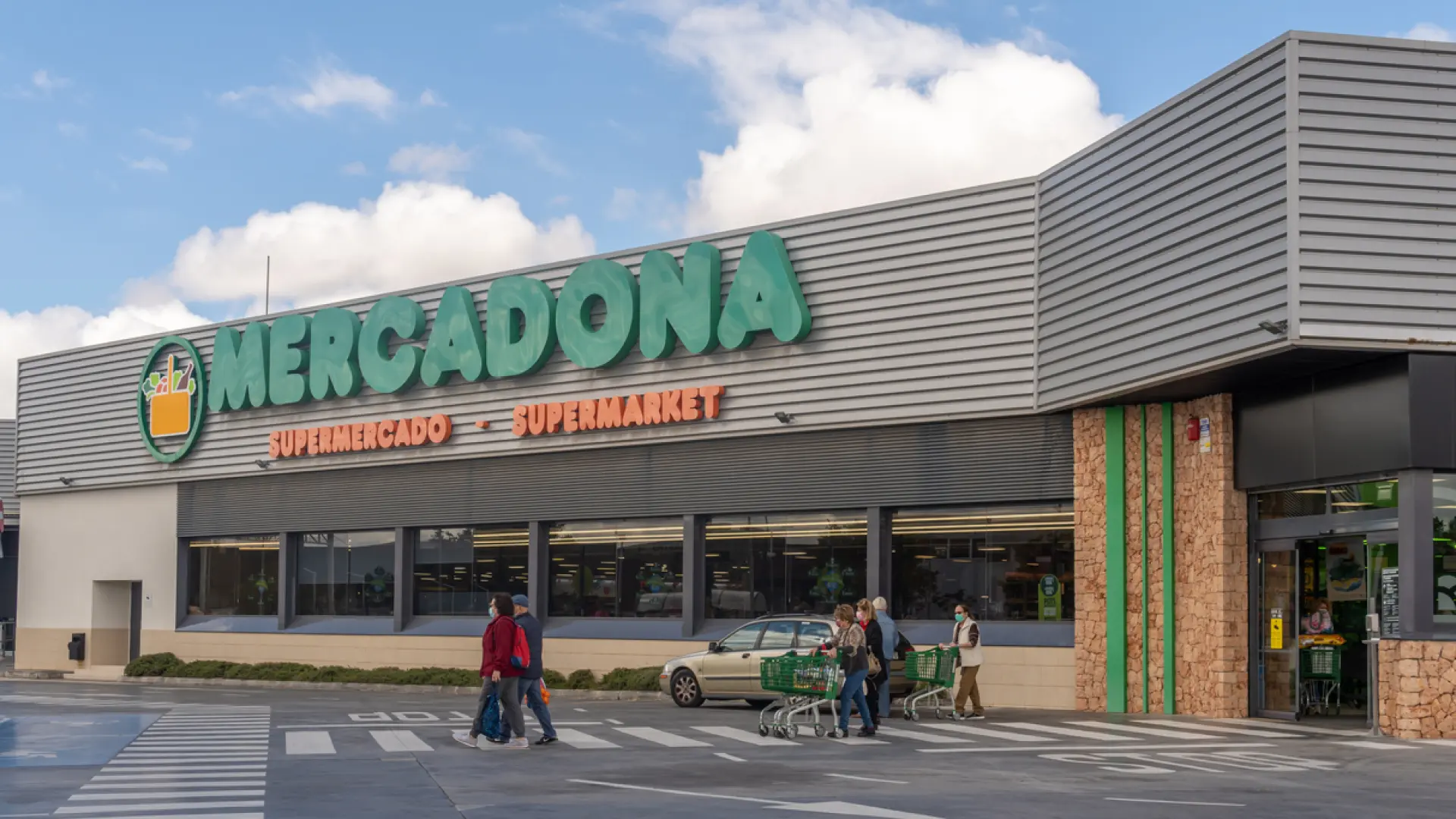
Mercadona has become a case study for the Department of Agriculture of the United States Government, whose foreign service published a report a few days ago in which it analyzes the main food distribution groups in Spain, with special mention to Mercadona. Regarding the company chaired by Juan Roig, Trump’s ‘Ministry’ of Agriculture highlights its leading position in the Spanish market “with almost three times more sales than its largest competitor, Carrefour” Along these lines, he considers it “a cultural phenomenon in Spainknown for its wide range of Spanish food and its white brands, including Hacendado”.
In its study, the Trump administration highlights that “white brands are very popular in Spaindriven by consumer sensitivity towards price and value” and cites a study by Aldi in which they estimate that 44% of the budget of Spanish families are distributor brands. They also make a ranking of the main distribution groups in Spain that heads Mercadona with about 34.5 billion dollars in sales last year, followed by Carrefour (12 billion), Lidl (7.5 billion), Grupo DIA (6.15 billion), Eroski (5.8 billion), Alcampo (5.5 billion), Consum (4.5 billion) and closing this classification is the Catalan Bon Preu (2.5 billion) and Ahorramas with a turnover of 2.3 billion dollars.
In its report, the Department of Agriculture highlights that after Mercadona “which remains a leader in the retail market” There are other companies such as Carrefor and the discount chain Lidl, “which are also significant players in the Spanish market. About Carrefour highlights that the French supermarket chain remains significantly behind Mercadona and that Lidl It is in a dynamic of rapid growth.
Strengths and weaknesses of the Spanish market
The study also carries out an analysis of the strengths and weaknesses of food distribution in Spain as “growing openness of Spanish consumers to new products”that the food industry has a developed network of importers, that the new generations are “increasingly concerned about healthy, innovative and sustainable products.” Besides that “the distribution structure is modern and with many companies that cover Spain and Portugal”.
On the weakness side, he talks about the difficulties in adjusting to “domestic and international economic challenges such as inflation”, in addition to referring to the requirements that companies that want to import must meet, such as labeling, traceability, and packaging regulations. It also mentions the “high tariffs on imports that imposes a price disadvantage on products that come from non-EU countries”.