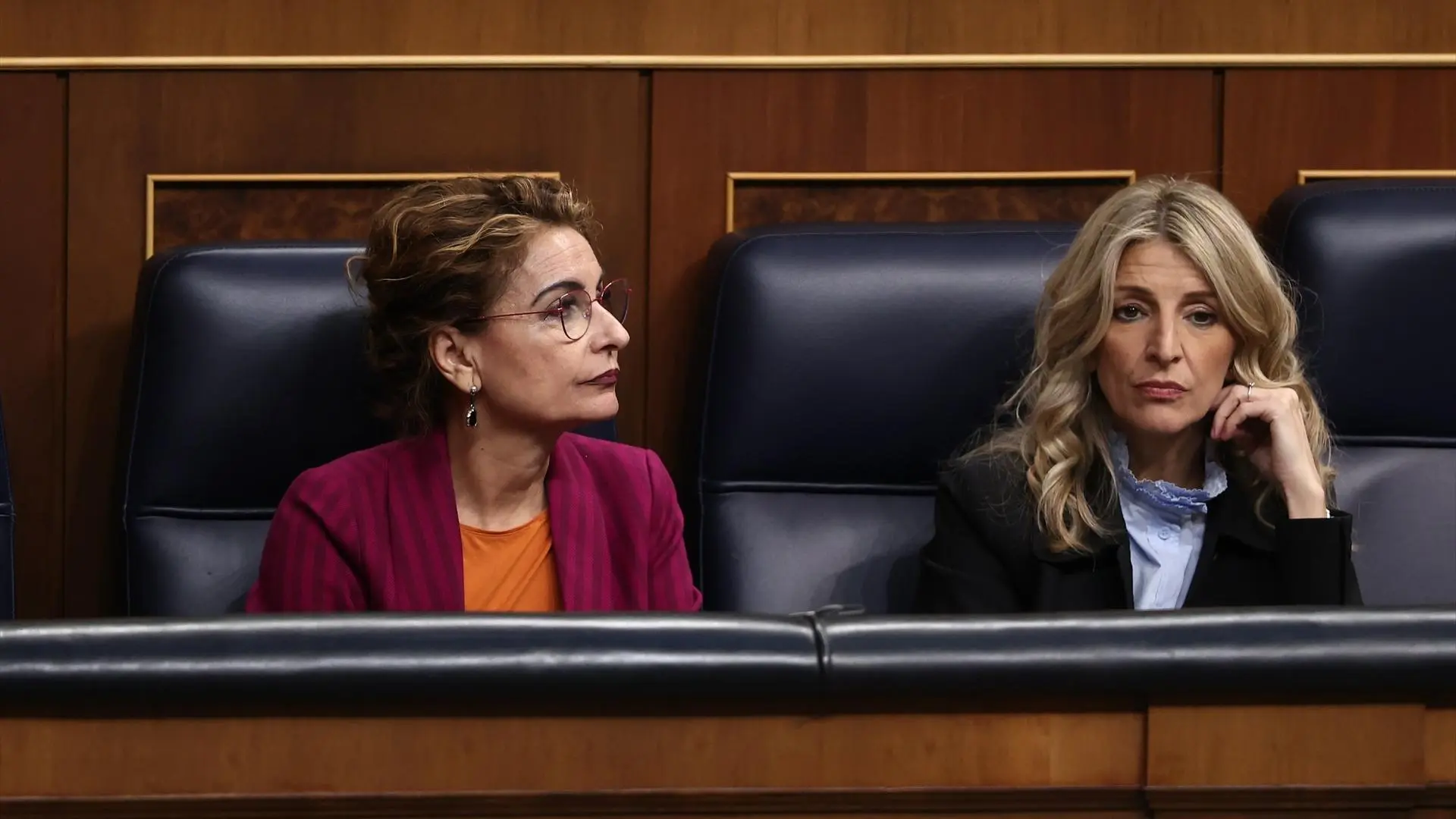
What is the Deindexation Law, a key piece in the increase in the minimum wage in 2026
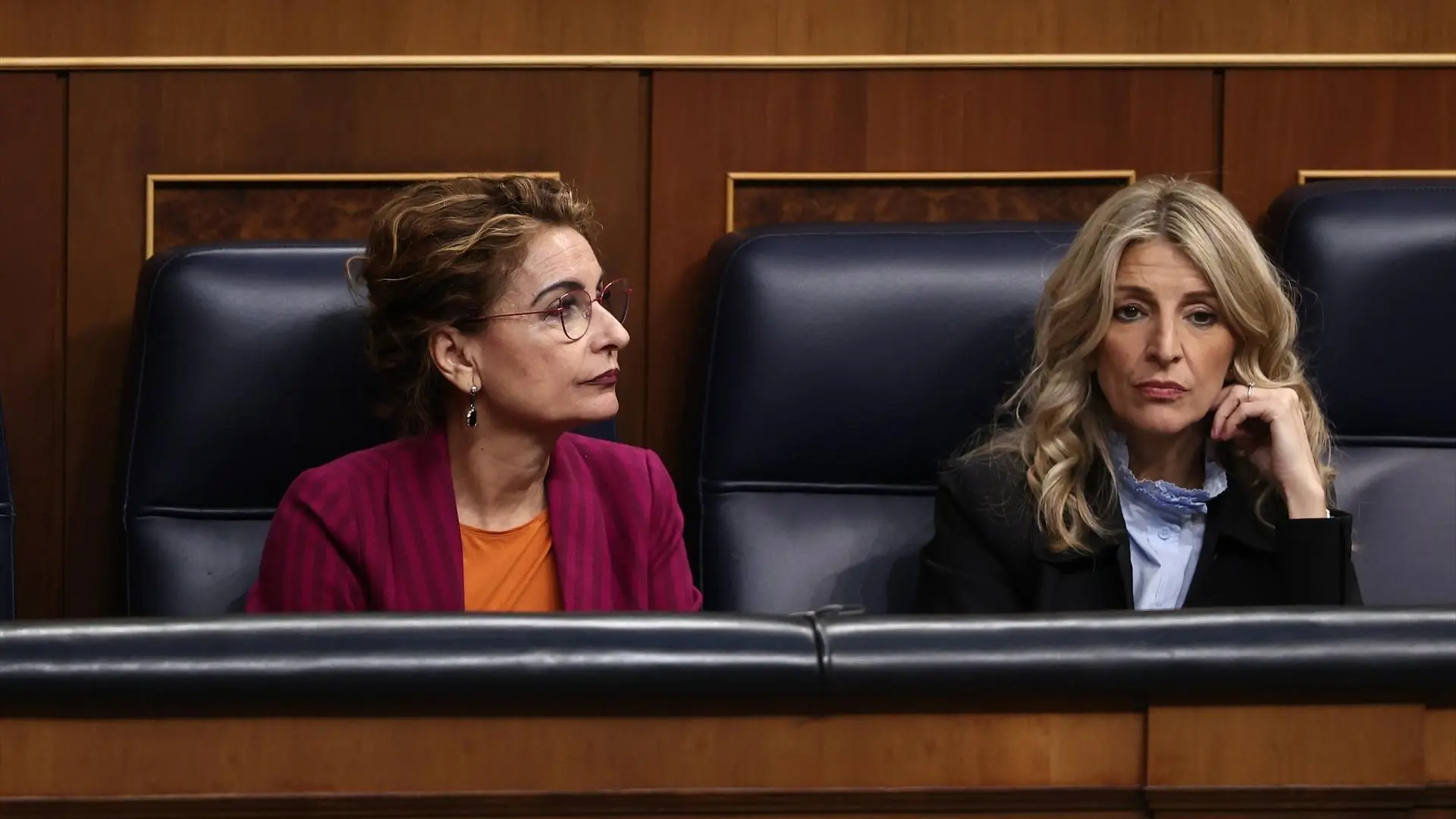
He Ministry of Labor keep working for close an agreement with employers and unions for the increase in the minimum wage (SMI) in 2026. The key is greater flexibility of the Deindexation Law that allows this increase in public contracts. However, in this matter it is necessary for the Ministry of Finance to take the floor.
The proposal of the ministry led by Yolanda Díaz is an increase in the SMI of 3.1% for this year, that is, reaches 1,221 gross euros and keep it exempt from taxation. This proposal differs from the 7.5% that the unions propose or the 1.5% that the employers talk about. Despite this, both parties agree that it is possible to reach an agreement with what has been proposed. From the employers’ association they do try to open the possibility for This increase is passed on to the prices of public contracts. It is a claim that they have been making for years and that is supported by the unions.
In order to reach an agreement, Labor is putting on the table trying to negotiate with the Ministry of Finance more flexibility of the Deindexation Law . However, from María Jesús Montero’s portfolio there have been no signs that this will occur.
What is the Deindexation Law
The Law 2/2015 Its objective is to prevent prices from being automatically updated in contracts and agreements financed with public funds. Here is located the Consumer Price Index (CPI). This means that, in public contracts, Prices cannot be increased automatically based on inflation. Adjustments must be justified with a cost analysis in order to be approved.
This standard was designed to be able improve efficiency in public spending management. It affects economic activities financed, regulated or managed by the public service. That is, both private companies and associations or foundations are included here. There are several sectors that suffer its impact.
One of them: the public contracts for works, services and supplies. For example, here you would find companies that are responsible for managing transportation or maintenance contracts. On the other hand, there are the administrative concessions and collaborations (companies dedicated to managing public services). And finally, grants and social concerts. Here we talk about organizations that receive public funding for having provided social services.