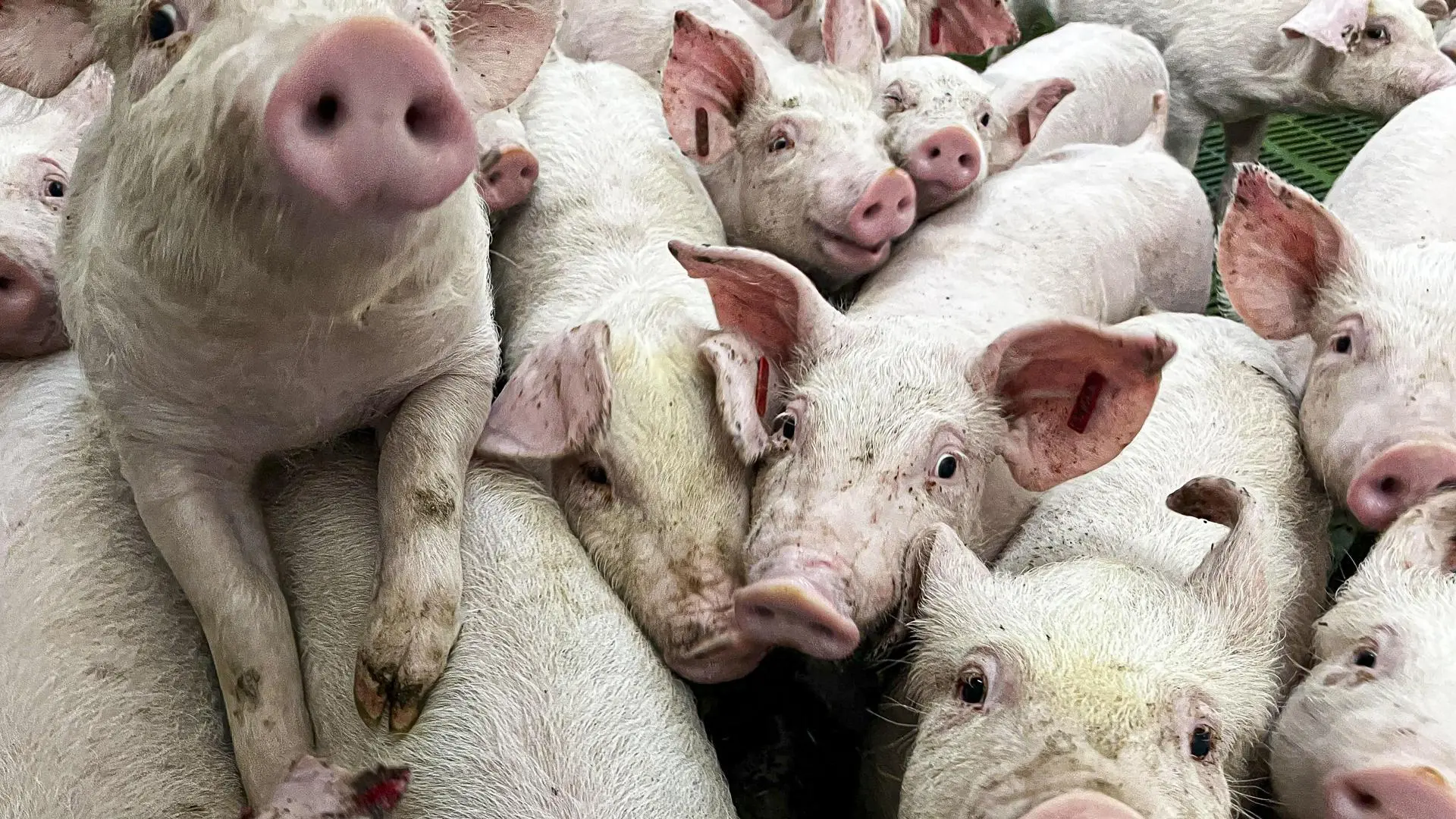
They fear lower demand and that it will put the growth of the sector in check
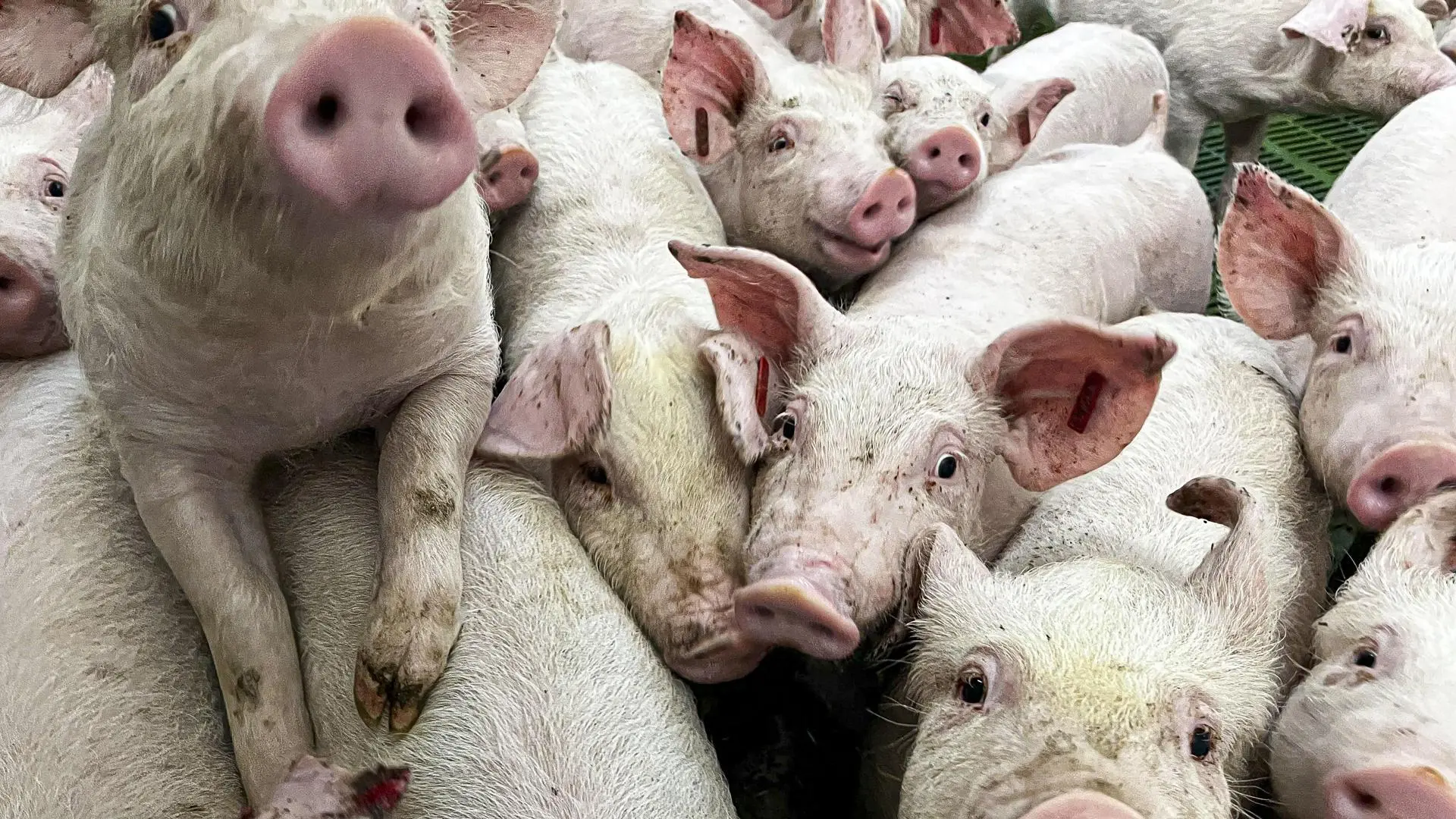
The focus of African swine fever (ASF) llocated on November 26 in Cerdanyola del Vallés (Barcelona) in two wild boars, and of which 16 positive wild boars have already been confirmed at the close of this article, it has not only had an impact on exports putting at risk the ‘throne’ of Spain in the European Union (EU) as the largest exporter of pork in the community bloc. The ASF also threatens another record of the agri-food industry: that of the largest feed producer in the Twenty-Seven with 28.95 million tons of feed produced in 2024. Manufacturers like Nutreco Iberia (Trowun Nutrition and Selko), which moved 3 million compound feeds in the Iberian Peninsula and invoiced 1,101 million euros last year, recognize that this crisis reduces the profitability of farmers increasing their production costs and, with this, the demand for this type of products may decrease.
Lower demand due to swine fever?
The technical director of Nutreco Iberia, José María Bello, acknowledges the possible impact on other economic activities related to the pork industry such as feed manufacturing, price drop in pork “as there is more supply” and points out that “the loss of the status quo before the crisis affects the profitability of the farmer, which impacts us as it can be translated into greater difficulties in purchasing our products”. Bello points out that “if the situation were to continue for months, this could lead to a reduction in the demand for pig feed.”
When asked about the evolution of the price of feed, these would be linked to the cost of the raw material. Bello clarifies that this diet is made from cerealsabove all, soy as well as dietary fibers or additives adapted to the needs of each farm. In any case, Bello assures, the use of antibiotics in feed has been reduced by 95%, in some species even 99%, complying with strict European regulations.
“”The loss of the status quo before the crisis affects the profitability of the livestock farmer, which impacts us as it can translate into greater difficulties in purchasing our products”, José María Bello (Nutreco Iberia)
The representative of Nutreco Iberia, which has 19 feed factories spread throughout Spain and Portugal as well as an innovation center (Casarrubios del Monte), recognizes that “the primary producer is located in a compromised situation as production costs increase, increasing the risk of non-payments, as veterinarian costs increase, as well as those related to biosecurity and livestock surveillance.” In this regard, he adds that public administrations such as the Generalitat of Catalonia It is already enabling direct aid to alleviate this increase in costs.
The best client for the feed industry
From the Spanish Confederation of Compound Animal Food Manufacturers (CESFAC), its general director Jorge de Saja, points out in conversation with Economic Information that “the pig herd is the most important in terms of feed and, a potential reduction of it, can lead to a potential decrease in feed production.” However, De Saja maintains that “any potential impact, “if things go wrong, it will be less than if there had been an outbreak of swine fever 10 years ago.”
The head of Cesfac remembers that “Spain already suffered from swine fever until the 80s and he had to sacrifice almost the entire pig herd. Which led us to adopt very good biosafety measures and that we have escaped until now despite having plague in other European countries.” In addition, he adds, that at the level of exports so far “the impact has been minimal” and, as an example, he mentions that destinations as relevant as China have accepted ‘regionalization’, limiting their veto of Spanish pork to the province of Barcelona. A position that other relevant markets such as United Kingdom either South Korea although such relevant clients as Japan and Mexico have firmly closed their borders.
“The pig herd is the most important at the feed level and, a potential reduction of it, can lead to a potential decrease in feed production”, Jorge de Saja (Spanish Confederation of Compound Foods for Animals, CESFAC)
Similarly, De Saja (Cesfac) highlights “very severe control measures that have been adopted and that, in the radius of 6 kilometers of the outbreak there are no pig farms and that, in the radius of 20 km, there are some.” The representative of the employers’ association that groups feed manufacturers is cautious but hopes that the outbreak can be control as in Belgium without leading to any exploitation livestock “and the country is declared free of the disease: It would be the best scenario.” Because, in his opinion, although “we are very far from the worst scenarios,” if we made the leap to pig cattle on our farms we would be facing “a very serious problem that would affect the entire value chain, with a great impact of many millions.”
Spain’s leadership, in figures
Spain produced last year 28.95 million tons of feed for animal feed, between premixes and foods for species as diverse as pigs, cattle, sheep, rabbits and pets such as dogs and cats, according to CESFAC. For the current year, according to this employer’s association, the forecasts indicate that 29 million tons will be exceeded. The largest proportion, by far, goes to pork: in 2024, 13.1 million tons of pig feed1.5% more than in the previous year (12.9 million) and, this year, it is expected to reach 13.2 million. Closely followed, with more than 9 million tons, is the sum of cattle, sheep, goats, horses and rabbits.
The production of feed for animal feed reached a global value of 13,340 million euros in 2023. Of which more than 5,000 million were in pig feed
The production of animal feed, including premixes and pet food, reached a global value of 13,340 million euros in 2023the last year for which data is available. Of all this amount, the majority corresponded to pig feed. What it meant 5,006.17 million euros, followed far by the 3,601.5 million euros of the sum of cattle, sheep, goats, horses and rabbits, as well as poultry feed (1979.1 million). The pig too concentrates 40.1% of the turnover of the Spanish feed industry production, followed by all beef and others with 28.9%, as well as poultry (15.9%).