This will be the first Black Friday of the digital euro
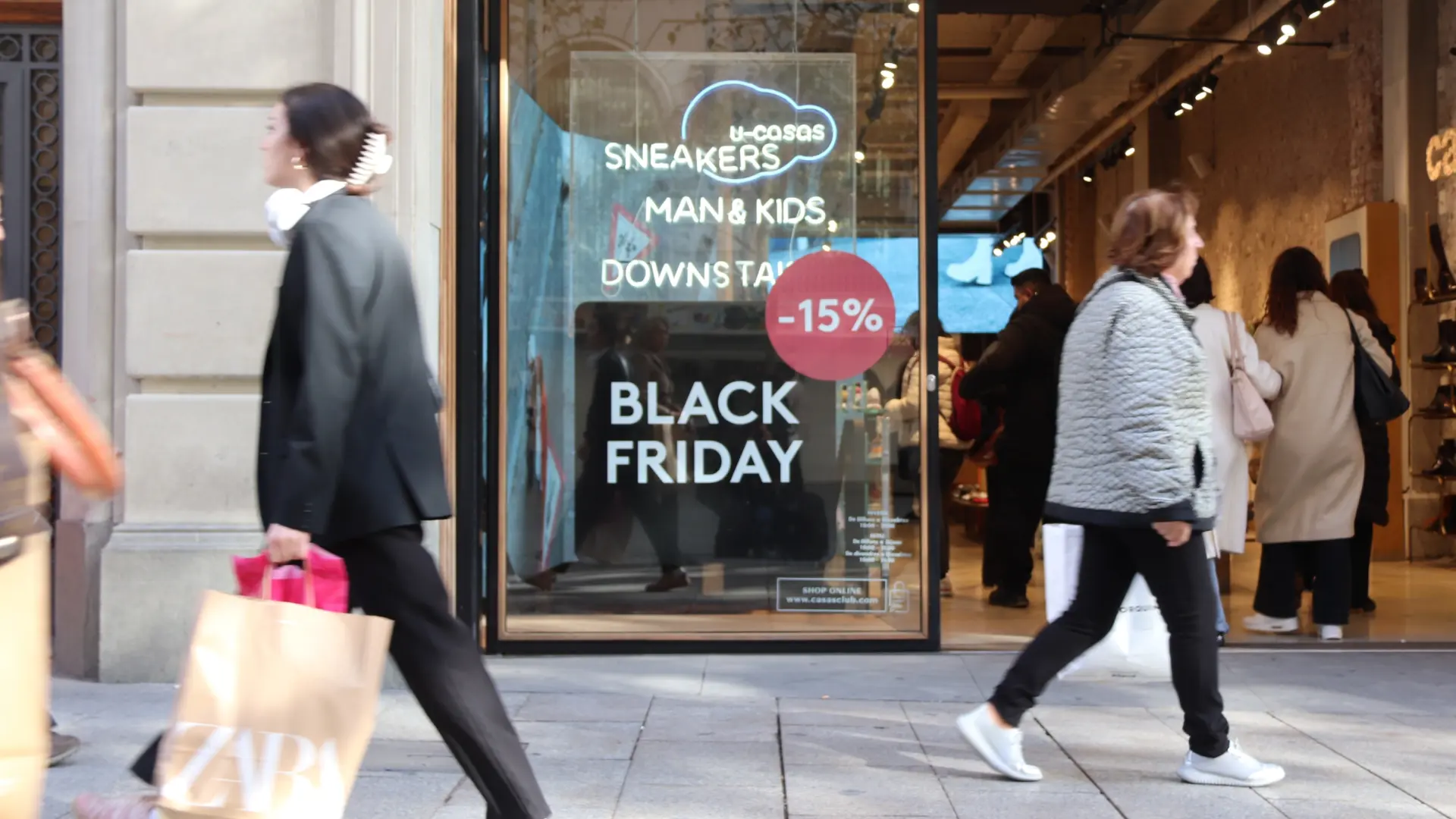
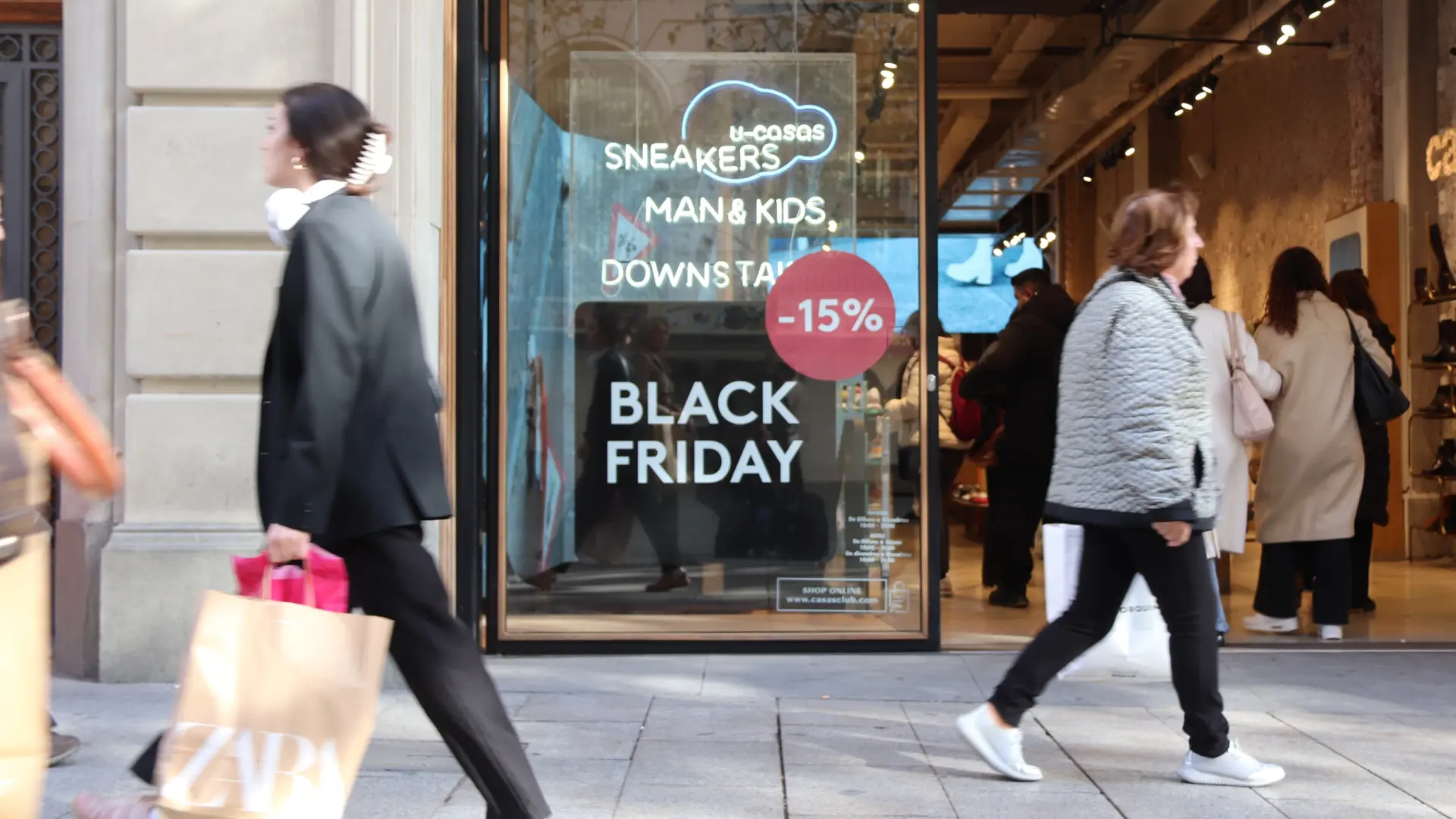
Black Friday It has become the great annual review of payments. For a few hours, millions of people buy at the same time, businesses force their systems to the limit and any failure at the time of payment translates into a lost sale. It is the day we discover the extent to which our economy depends on something as seemingly simple as a payment “coming in” correctly.
The scale of the phenomenon is important to understand what we are talking about. In Spain, only the main card payment processing platform managed a recent Black Friday 61 million operations in a single day, with spikes of up to 85,000 transactions per minute and an interannual growth of around 15%. That is, millions of purchasing decisions that ultimately depend on the payment system withstanding the pressure without wavering.
Furthermore, it is important to specify where the risk really lies. It’s not so much that a website slows down or even goes down for a few minutes. That can be annoying, but it usually has a remedy. The critical thing is that the “payment part” fails: the window in which the user enters their data, the moment in which the operation is confirmed. If at that point the chain breaks, the customer’s feeling is that the store has failed, not the payment system. And on a day like Black Friday, that last step concentrates all the value (and all the risk) of the experience. Bearing very negative effects for the brand.
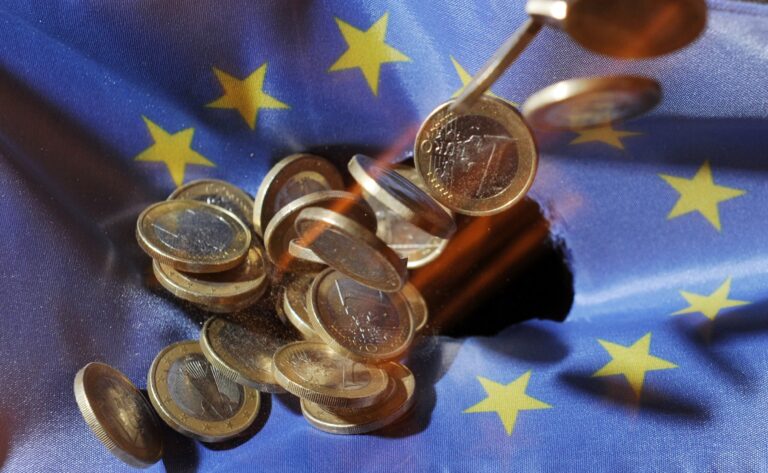
In this scenario, imagining the first Black Friday with the digital euro in operation is not a science fiction exercise, but a useful way to understand where the payments system in Europe is moving. The digital euro would not be a new currency, nor a cryptocurrency, nor an isolated experiment, but rather a electronic representation of the euro backed by the European Central Bank, designed to coexist with cash and the payment methods we already use.
In practical terms, for the average consumer that future Black Friday will not have a big visual change. You will still enter a website, choose a product and go to the payment screen. In the store you will continue to bring your cell phone or card closer to the terminal. The difference will be in what happens underneath: part of those transactions will be settled directly on a central bank infrastructure, with digital money that has the same nature and value as cash, but it moves in real time and in a strictly regulated environment.
Black Friday is a good mental laboratory to understand what that brings. It is a day of extreme peaks in demand, where systems become saturated, response times become critical, and any friction in the payment process multiplies frustration. In a context in which tens of millions of operations are already reached in a few hours, having an additional payment “lane”, more resilient and less dependent on a few schemes, can make the difference between a successful campaign and one full of abandoned carts. And, above all, it reinforces what cannot fail: the payment functionality, the decisive moment in which the user confirms their purchase.
Thus, the first Black Friday of the digital euro It would also be an institutional stress test. It is not just about ensuring that business websites do not “fall”, but also about verifying that the public infrastructure on which this digital money is based is capable of supporting millions of operations without compromising either the stability of the system or the user experience. In practice, the examination is done at the payment window: at that moment when the customer has already made the purchase decision and is only waiting for confirmation. If something goes wrong there, what is perceived as broken is not Scalpers, or any other brand, but the payment system as a whole.
There is also a sovereignty component that often goes unnoticed. In recent years, an increasing part of the payments infrastructure we use in Europe depends on non-European actors and technologies. The digital euro is, in part, a response to that reality: a way to ensure that, in an increasingly digital environment, a piece as critical as money maintains a clear anchor in public institutions. Applied to Black Friday, it means that a part of the transactions that drive consumption and commerce on that day would rely directly on the European monetary architecture.
When that first Black Friday of the digital euro arrives, it probably won’t have big headlines or spectacular scenes. The most desirable thing is that it goes unnoticed: that people buy, that businesses get paid and that the system withstands the peak in demand normally. The true transformation will not be in what we see on the screen, but in the type of infrastructure that makes that level of trust possible and in the ability to protect the most delicate link: the moment of payment.
If those of us who work in payments have learned anything, it is that success is measured in the absence of drama: that the user does not have to think about how they are moving their money, and that the business can focus on selling, not chasing incidents. The digital euro, if implemented with good judgment, can become a key piece of that balance. And Black Friday will inevitably be one of the scenarios where it will be tested.