Tibial periostitis, how does it affect runners?
Tibial periostitis causes shin pain due to muscle overload. Discover symptoms, treatment and prevention in runners and athletes.

Graduate in Medicine and Surgery, from the Faculty of Medicine of the University of Murcia. Specialist in Rheumatology. Doctorate in Psychopathology and Social Psychology. Currently (since 2002) he is a consulting physician in the Second Medical Opinion department at Teladoc Health. Collaborating doctor with the Traumatology group, specialist in Rheumatology, at the Teknon Clinic in Barcelona (since 2010). And Collaborating Physician Specialist in Rheumatology at the Poal Institute of Rheumatology since 1990.
Tibial periostitis, also known as medial tibial stress syndrome (MTSS), causes pain that is located on the inside of the tibiawhat we commonly call “the shin bone.”
It originates from a secondary periosteal inflammation caused by excessive use of the muscles that are inserted in this area. It mainly affects athletes or people who carry out intense physical activities.
Main causes
- Muscle overload due to intense trainingespecially on hard surfaces such as asphalt.
- Inappropriate or worn footwear.
- Biomechanical alterations such as flat feet, hyperpronation, genu valgus, limb dysmetria.
- Lack of rest between exercise sessions.
- Vitamin D deficiency and low bone mineral density.
What symptoms does it produce?
Symptoms related to tibial periostitis are swelling, redness, and tenderness to the touch in the area. In addition, it causes pain in the shin that begins when beginning exercise, increases during physical activity and can persist even at rest, potentially causing difficulty walking or placing the foot on the ground.
Diagnosis
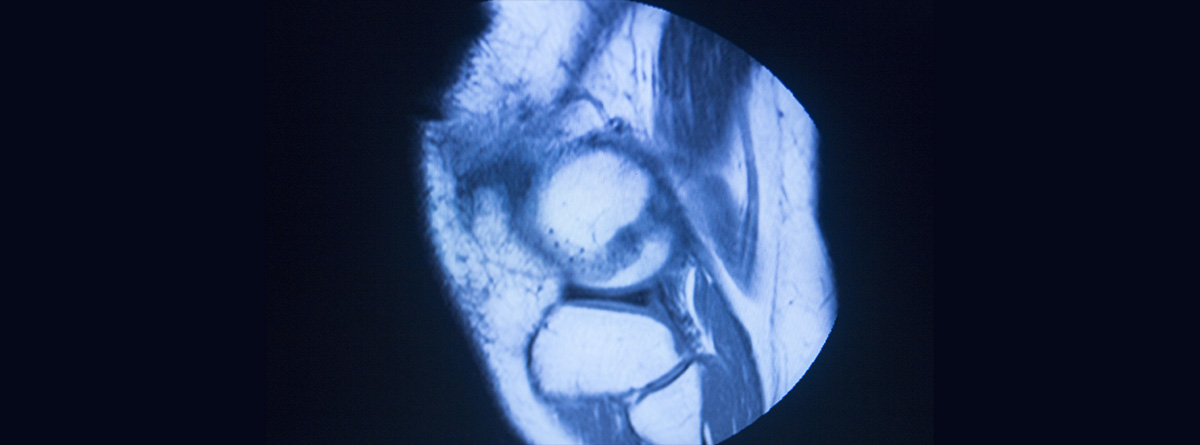
The diagnosis is based mainly on the medical history and a good physical examinationwhere pain will be caused by pressing along the inner edge of the tibia. In some cases of suspicion or possibility of another diagnosis, imaging techniques such as x-rays can be used to rule out stress fractures or bone overload, ultrasound, and only rarely are more sophisticated techniques such as magnetic resonance imaging (MRI) required.
In MAPFRE Health Insurance you have specialists who are part of your medical team who will help you find the appropriate diagnosis for your ailment.
CALCULATE YOUR PRICE
What does the treatment consist of?
The treatment of tibial periostitis is based on a multidisciplinary approach, combining physiotherapy, sports medicine and biomechanical correction.
- In the acute phase it is indicated:
- sports rest: Avoid impact activities such as running or jumping.
- Cryotherapy: ice application 15–20 minutes several times a day.
- Electrotherapy and INDIBA: Help reduce inflammation and improve circulation.
- Medication: non-steroidal anti-inflammatory drugs (NSAIDs) such as ibuprofen or naproxen, under medical supervision.
- Subsequently, they indicate calf, soleus and tibialis anterior stretching exercises; strengthening of gluteus medius muscles and foot muscles as well as mobility and proprioception exercises.
- If there is an alteration in gait or in the alignment of the lower extremities, a footstep correction using personalized insoles and the use of adapted shoes with good cushioning.
- Massages help relax overloaded muscles.
- In chronic or resistant cases, infiltration may be considered in order to accelerate recovery.
Recovery usually lasts between 4-8 weeks.
Why do runners suffer from it more?
Runners are especially susceptible since the constant blow on the ground and the impact on hard surfaces like asphalt, causes microtrauma to the periosteumwhich ends up becoming inflamed. Added to this is that the muscles that are inserted in that area work intensely, causing fatigue and imbalance that cause the load to be transferred unevenly on the bone, favoring injuries.
Also in the corridors excessive tension is generated in the tibia due to incorrect footing or too long stride and misalignment of postures.
Non-professional runners sometimes increase training to compete in a marathon, for example, and this will suddenly increase the frequency, intensity or duration of training, which is why we insist on the importance of respecting muscle recovery times to avoid injury. In these cases, the pain leads the body to compensate by shortening the stride, modifying the support and carrying more weight on the opposite leg, which can generate secondary injuries to the knee, ankle or hip.
As prevention measures, the following are indicated:
- Proper warm-up before exercise.
- Gradual progression in training intensity.
- Use of appropriate sports shoes.
- Alternate training surfaces.
- Footstep evaluation and correction if necessary.
- Practice calf, tibialis anterior, gastrocnemius and soleus stretching exercises; strengthening; mobility and proprioception (ideally consult with a physical trainer).
General recommendations
- Perform the exercises daily to avoid acute pain.
- Do not run during the acute phase; Opt for low-impact activities such as swimming or a stationary bike.
- Consult with a physical trainer to adapt the plan according to evolution.
What you should know…
- Tibial periostitis is a painful inflammation of the periosteum in the tibia caused mainly by muscle overload and is common in athletes, especially runners.
- Its diagnosis is based on clinical history and physical examination, and treatment combines rest, physiotherapy, biomechanical correction and anti-inflammatory medication.
- Prevention includes an adequate warm-up, use of appropriate footwear, gradual training progression, and specific stretching, strengthening, and proprioception exercises.