UGT agrees to raise the SMI by 3.1%, but demands to continue raising it in the future until it reaches 1,444 euros
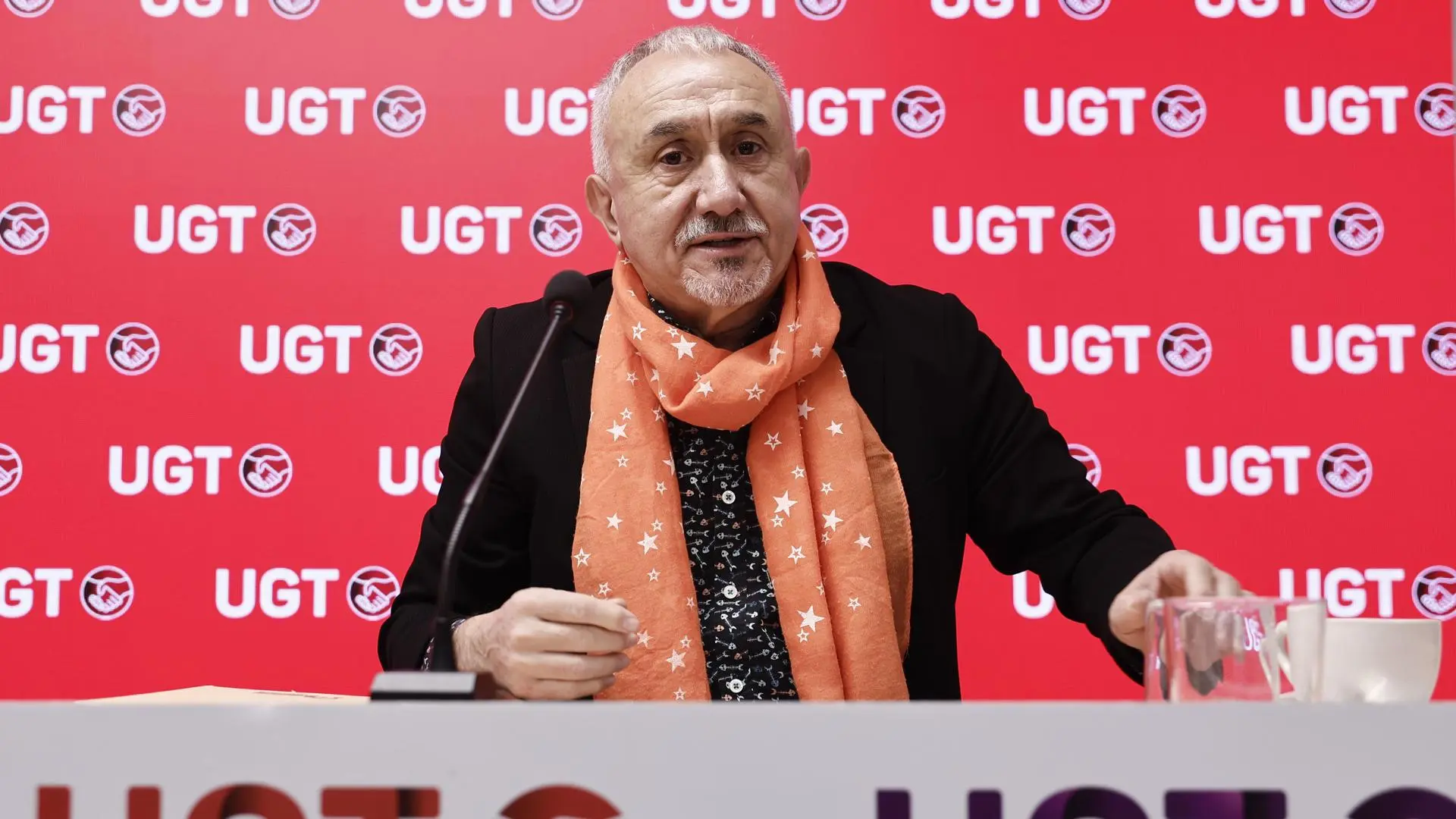
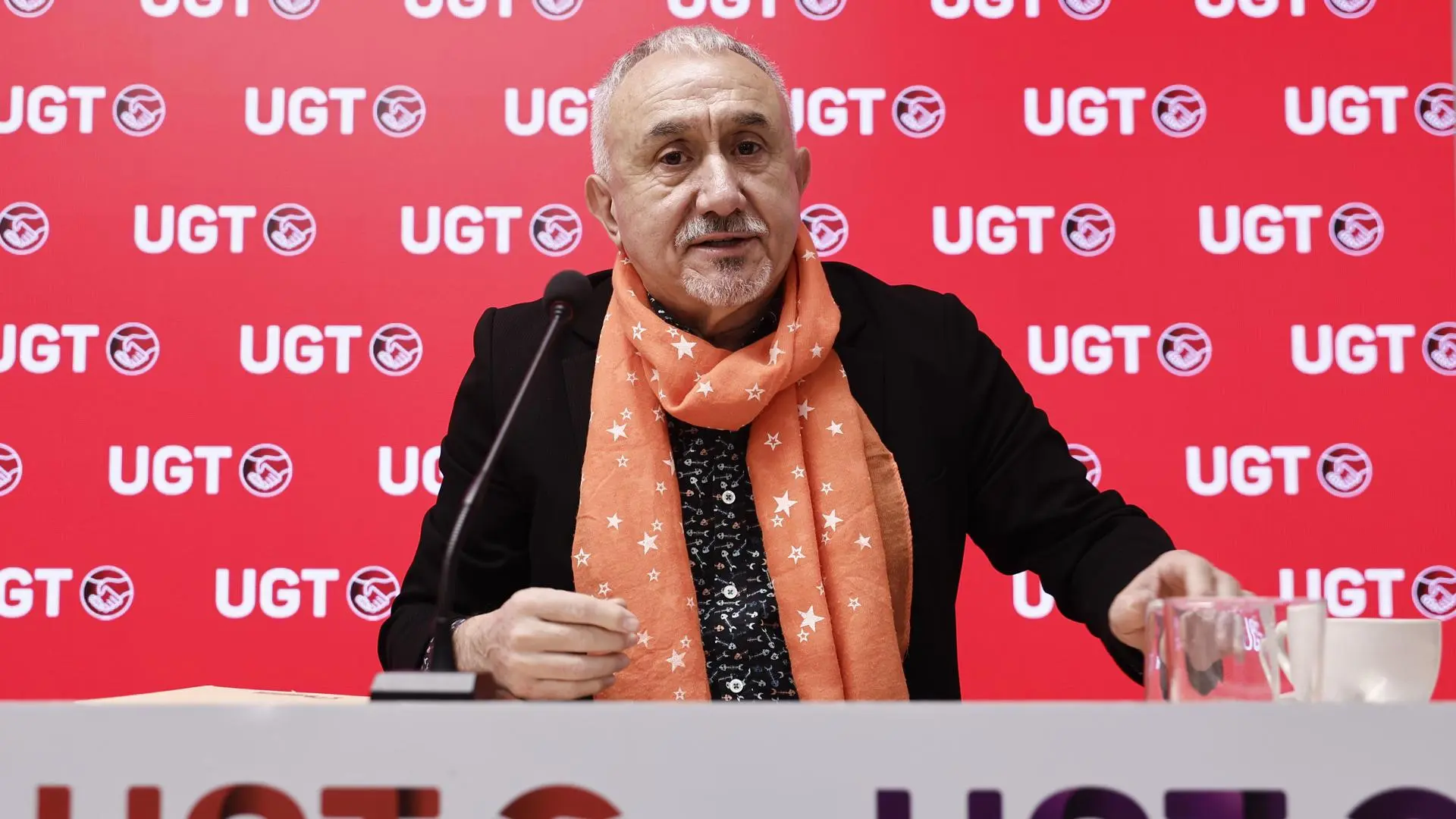
The general secretary of UGT, Pepe Álvarez, welcomes the proposal launched on Wednesday by the Ministry of Labor to raise the minimum interprofessional wage (SMI) by 3.1% in 2026 – up to 1,221 gross euros per month in 14 payments – and leave it, for another year, without paying taxes. However, the union leader insists that the lowest salary that the law allows to pay is still far from what would be desirable and The medium-term objective is to raise it to 1,444 euros per month.
This is what Álvarez expressed in a press conference this Thursday in which he presented the issues that will be priorities for the union facing 2026. Among them, the union leader highlighted the failed reduction of the working day to 37.5 hours —which the union will promote again this year— reform of the dismissal system or the tightening of the time record, an initiative that remains blocked. Among the big issues that will mark the year that has just begun, Álvarez has placed housing, the distribution of wealth, the threat of Trump or defense, which the secretary general of UGT advocates strengthening in the face of the threats that loom over Europe.
Regarding the minimum wage, Álvarez has pointed out that “there is no objective reason not to sign with 3.1% if it is exempt from taxation.” However, the Ugetista leader has criticized the way in which the debate on the taxation of the minimum wage has been handled. Specifically, he considers that a “patch” has been put in the form of a deduction in the personal income tax, instead of facing a reform of this tax, which Álvarez considers to be “abusive” with the lowest incomes. “There is no element that allows us to think that we are facing a fair and equitable system,” he noted.
Another of the key points in the negotiation of the SMI is the issue of compensation and absorption of salary supplements for people who earn salaries close to, but higher than, the minimum wage. A phenomenon that prevents SMI increases from dragging down these salaries, as they are deducted from certain supplements.
The Ministry of Labor is preparing a decree to put limits on this phenomenon, a measure agreed upon with the unions, who see it as essential so that the increase in the SMI is not diluted. Álvarez has demanded that Pedro Sánchez guarantee that this measure will go ahead. and has asked to approve it on the same day that the Council of Ministers gave the green light to the increase in the SMI. “We are not going to accept delays,” he said.
Within the current work, Álvarez has also criticized the delays in the regulations to tighten the time registrationa measure that the Government promoted in the face of the failure of the reduction in working hours. The Executive approved in September to process this initiative urgently, but the text has not passed through the Council of Ministers, something that has bothered the unions. “This is an absolutely priority issue. We are not going to continue signing agreements with the Government if it does not comply, it is not possible for it to continue in a drawer,” said Álvarez.