“We are helping the group plan”
The Ministry of Social Security has come out to publicly defend his proposal for self-employed quotas for the next three years, which foresee increases of between 11 and 206 euros for these workers depending on their income level. An approach that has been strongly questioned by the sectoral employers’ association ATA and that does not have sufficient parliamentary support nor does it generate consensus within the Government.
The minister of the branch, Elma Saiz, has indicated that the reform that established the section system ““It was a historic demand of the collective” of self-employed workers and had the support of the Popular Party, which he accused of being “hypocritical” for rejecting the new increases. In 2022, the Government established a contribution system in sections so that, little by little, the self-employed bring what they pay in their installments closer to their real income. Thus, the pension system would be strengthened and, at the same time, the self-employed would have the right to higher benefits, although at the cost of a greater fiscal effort than they currently make.
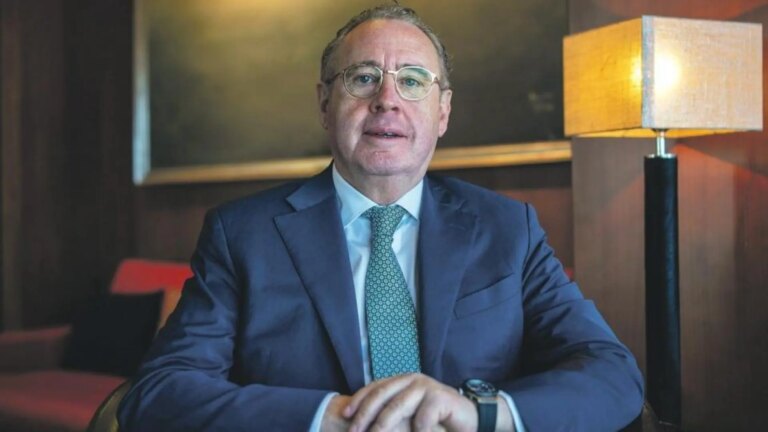
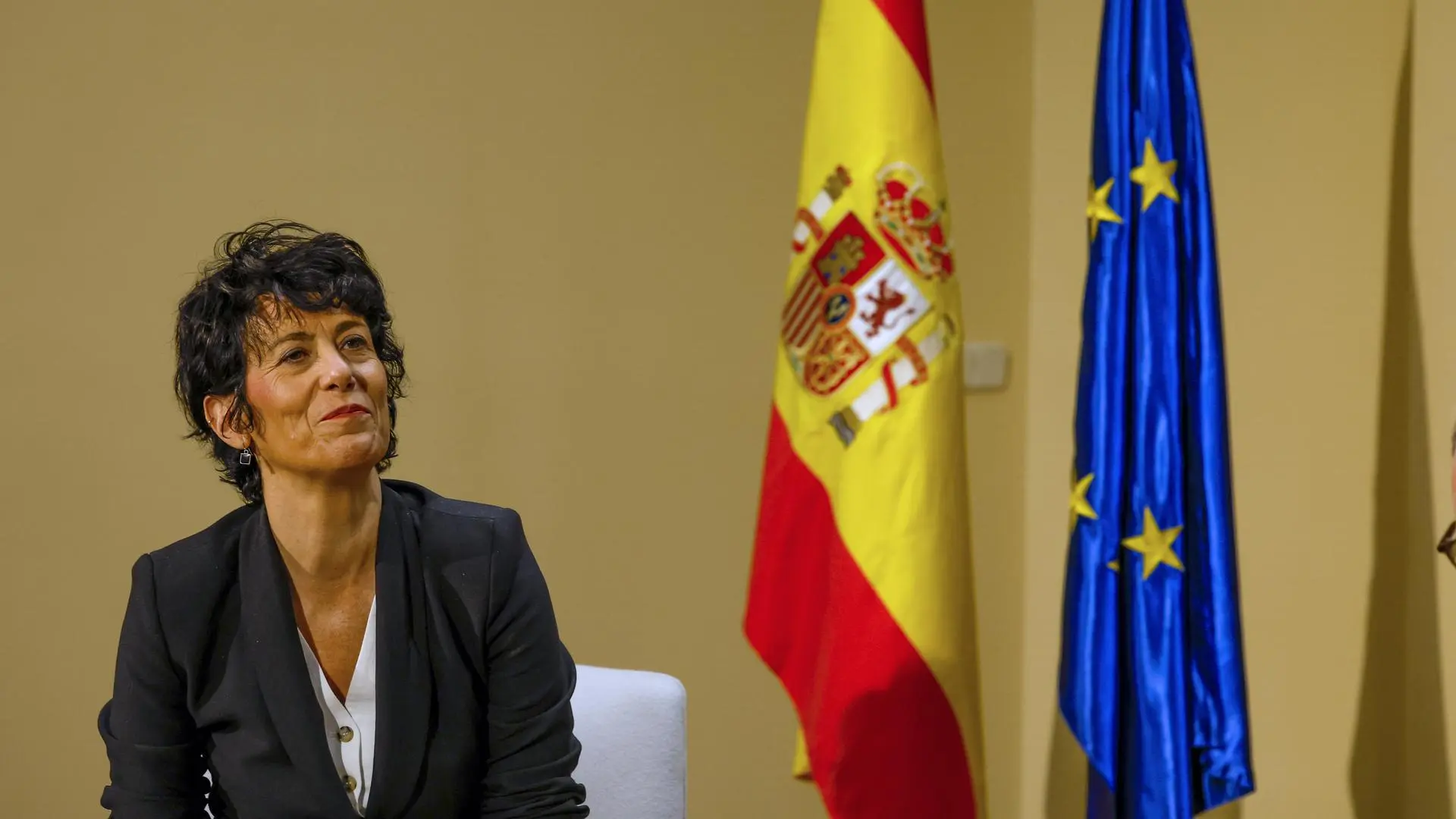
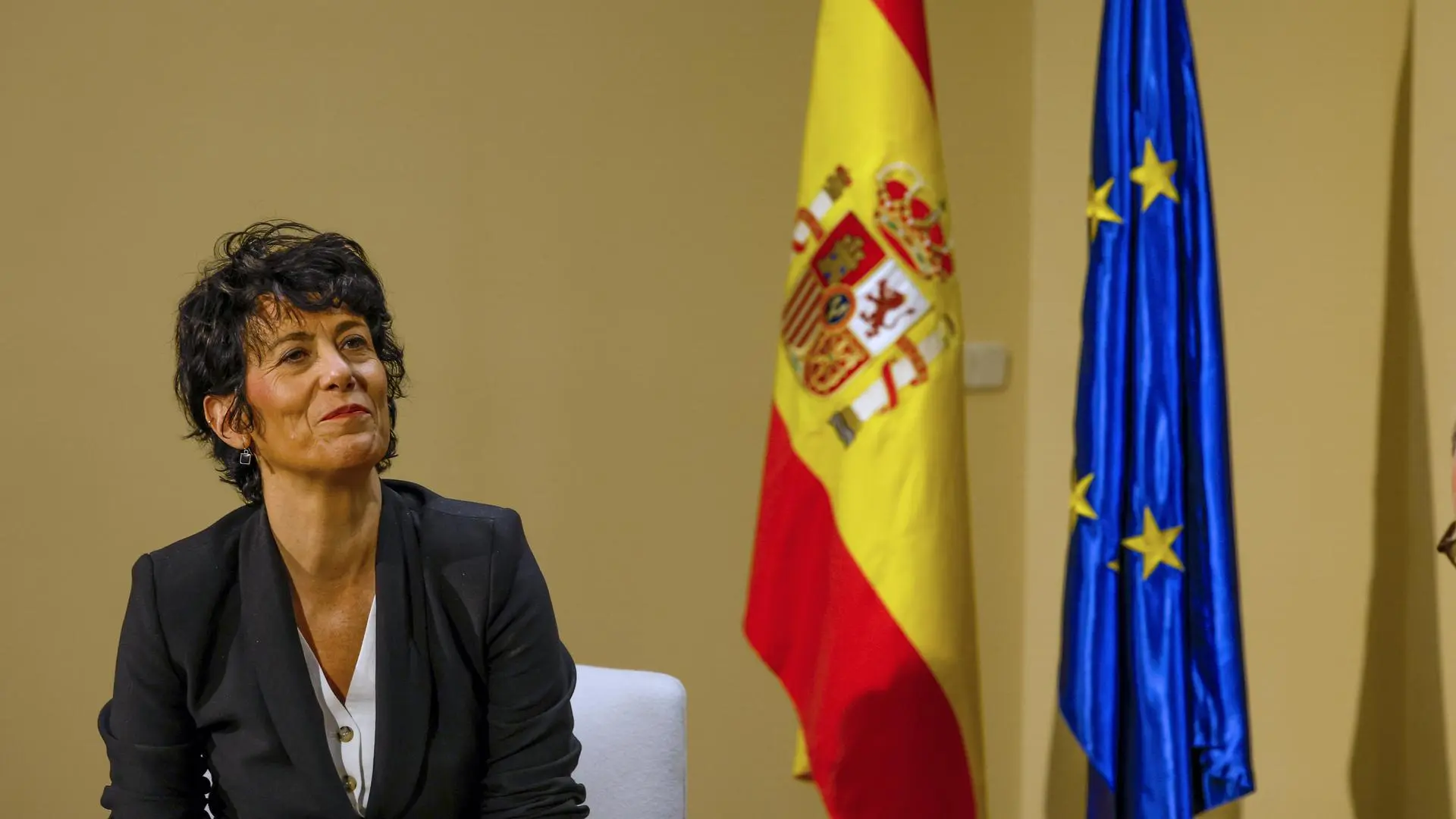
“What we are doing is help the collective to plan what has to happen until 2032date on which it is already established that they contribute for all the income they receive so that they have adequate protection”, the minister has expressed to the media in the corridors of the Congress of Deputies. The new sections, Saiz added, serve so that this jump towards full contribution in 2032 is not made “from zero to one hundred”, but progressively.
Furthermore, the minister has insisted that, beyond the increase in quotas, there have been considerations other measures that reinforce the benefits of the self-employed. Among them, the benefit for cessation of activity (known as the ‘self-employed unemployment’) has stood out, an aid that sectoral organizations denounce is not reaching the group sufficiently.
Saiz recalled that before the reform that established the section system in 2022 85% of the self-employed contributed for the minimum base. A factor that then “led to a significant lack of social protection” that translated, for example, into pensions that were 650 euros lower on average compared to an employee.
The minister in charge of Social Security has asked “tranquility, calm and reflection” for a proposal that is still being debated in social dialogue. “We are going to allow time and we are going to analyze,” said Saiz.