when the neighbors of a ground floor must pay for the elevator

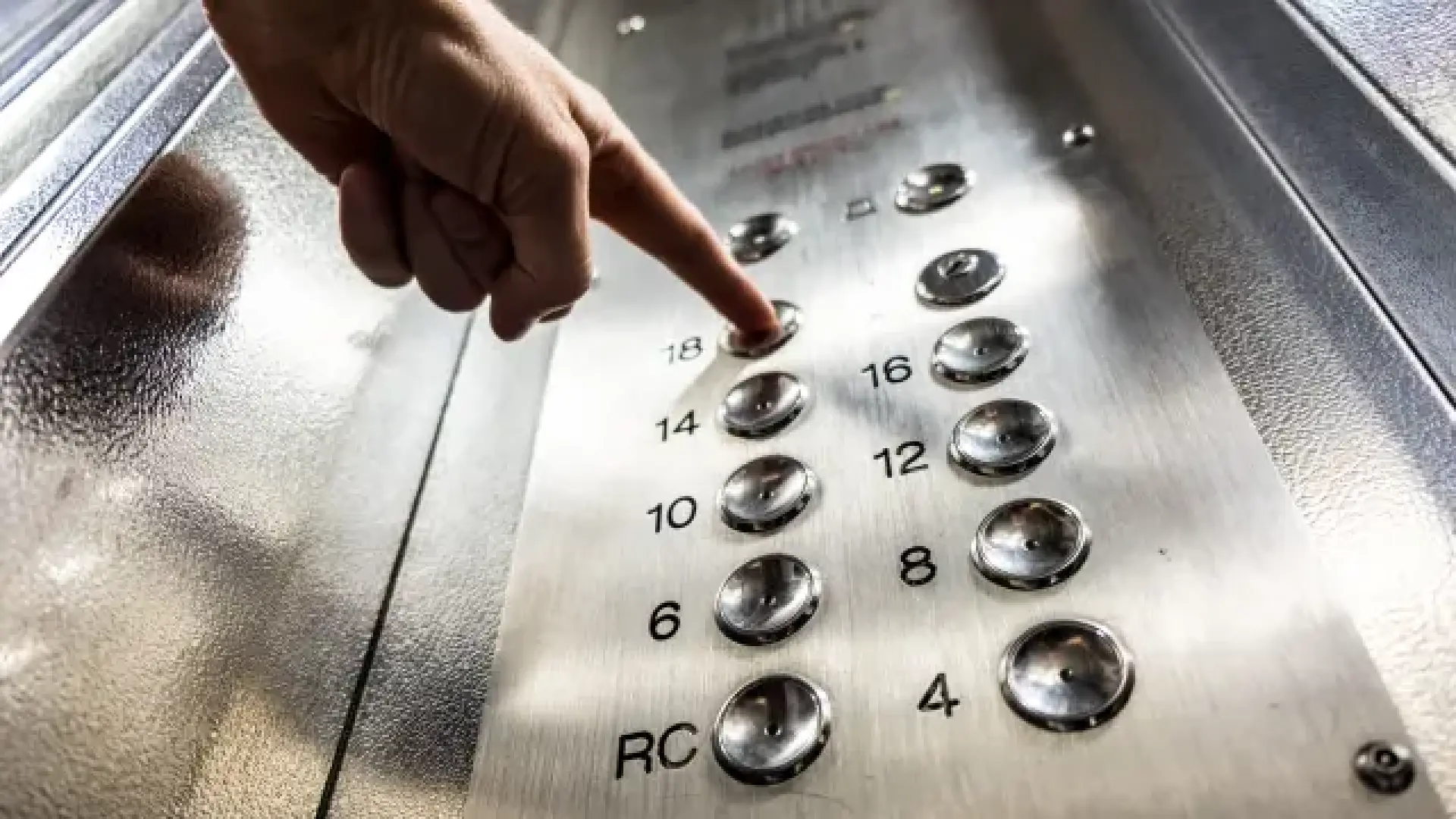
One of the most common points of friction in a neighborhood community arises when it is necessary to place an elevator in a farm, but there are people who live on the ground floor. This is where doubts arise between what seems logical to many, and the board or administration of the building. However, the law has the answer to avoid possible conflicts that may arise from the use of elevators.
The Horizontal Property Law, in its article 10, highlights two cases in which it is mandatory to have an elevator without the need for prior agreement among those on the board of owners. But, outside of those cases, it would be normal for the cost of installing an elevator to be shared depending on the participation coefficient of each premises or home in the community.
When is it mandatory to have an elevator?
The installation of an elevator will be mandatory when it is necessary to guarantee reasonable adjustments regarding universal accessibility. That is, if it is required by the owners in whose home or premises they live, work or provide voluntary services. people with disabilities or people over 70 years of age. Furthermore, it will also be a requirement for new buildings of more than three floors above ground, except in the case of single-family homes.
If neither of these two reasons exist, the neighborhood community must reach a fair agreement. It is possible that in the pact Neighbors who do not pay for the elevator are prohibited from using it. This, in fact, is the most common situation among owners of premises or first floors and they usually resort to a key to guarantee its private use.
If the agreement has gone ahead, the neighbor who voted against will have to pay the same as the others.