“You can indulge yourself without fear of imbalances”

If Spanish consumers dedicated part of their time to review your purchases and expenses in the last month for sure that many would find some charges on their credit cards that they could have perfectly done without. There would be others, however, who They would find no blemish in their expenses, perfectly measuredas calculated months in advance.
Like society itself, we are also heterogeneous in finances and Each citizen has a different way of understanding and relating to money. This is reflected, for example, in data from the IV KRUK Observatory, a company specialized in debt management, which indicates, among others, that 46% of Spaniards have some type of debt, which 30% cannot save because they cannot make ends meet and 37% can only save between 5% and 10% of their salary.. Furthermore, 50% of people in debt consider that having debt is normal, while 19% feel guilt and another 19% feel shame.
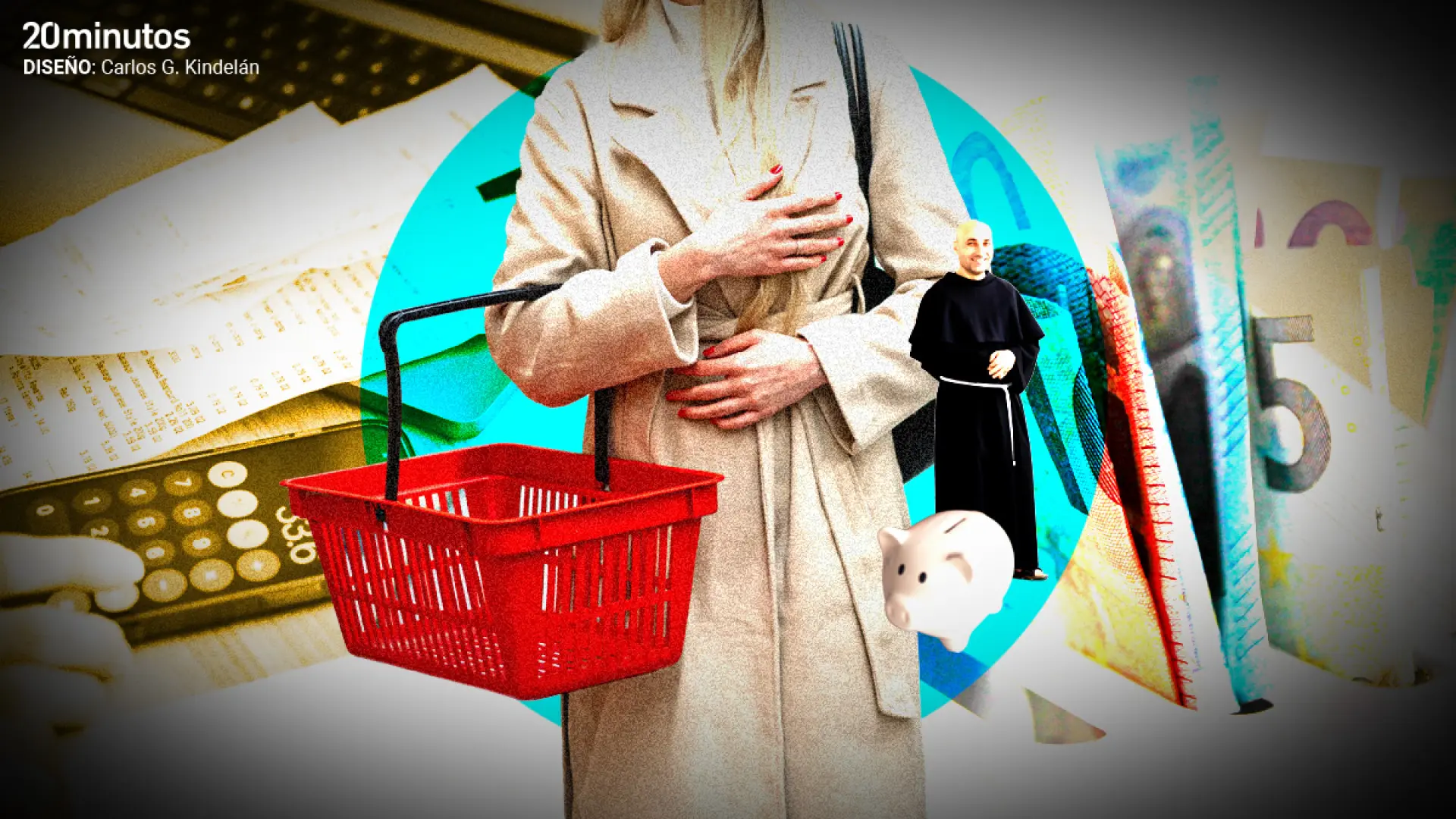
This heterogeneity of realities and positions regarding the management of wealth makes the economist Adrian Asoltaine has identified up to four different consumer profiles: Monk, saver, spender and avoider. “We spend approximately 80% of our time in relation to money: either generating it or spending it. However, no one teaches us how to manage this important resource so that we are owners of it, and not the other way around,” he says on his personal website.
Alina Giurgeageneral director of KRUK Spain, explains below the main characteristics of the profiles detected by Asoltaine. So, The monk is “a prudent and disciplined person with money” who “maintains a simple and minimalist life, focused on accumulating personal experiences rather than material possessions,” and “avoids unnecessary expenses,” always prioritizing “covering the basics before any whim.” “He does not get carried away by impulses and finds greater fulfillment when he achieves stability and balance. For this profile, Money is a tool that allows you to live calmlynot a goal in itself.”
The saver, for his part, stands out “for his discipline, organization and long-term vision.”. You constantly track your income and expenses, analyze information before deciding, and feel comfortable planning. This anticipation gives you peace of mind and the feeling of optimizing your resources.” However, “you may feel attracted to offers that you justify as ‘investments for the future’, always seeking to make the most of your budget.”
“The spender lives in the present, is optimistic and is carried away by external stimuli such as offers, news or emotions”
On the contrary, the spender “finds satisfaction in the shopping experience”. “He lives in the present, is optimistic and is carried away by external stimuli such as offers, news or emotions”, but “this orientation towards immediate enjoyment can lead him to impulsive decisions that, over time, affect his financial stability.” “Easily excited by whims and with trying new things, although sometimes I underestimate the cumulative impact of those expenses, which can lead to debts and defaults“.
Lastly, the avoider He has a tendency to “postpone economic decisions because they make him uncomfortable or he believes that he will not know how to manage them well. Avoid reviewing your accounts and act without planningwhich increases their feeling of anxiety regarding financial issues.” Therefore, “they react to problems on the fly instead of anticipating, which can lead to unexpected and complicated situations.”
“The saver usually keeps the balance more stable”
For Alina Giurgea There is no ideal profile in the absolute sense, because “our financial decisions change depending on the stage of life, the context and the emotions of the moment”, so “we can all move between various profiles.” However, if we talk about sustained balance, The saver is the one who usually keeps the balance more stable.
“This profile combines method and foresight: he plans his expenses, reviews his income regularly and makes decisions based on information, not impulses. This discipline allows him to maintain a stable economy without falling into extremes, avoiding both the rigid austerity of the monk and the lack of control typical of the spender. Thanks to this prior organization, you can indulge yourself or enjoy experiences without fear of imbalances.because you know that your budget is under control,” he says.
Giurgea highlights that the long-term vision is one of its greatest strengths: “It helps you face unforeseen events with peace of mind and move towards relevant goals – travel, savings for a home or the creation of an emergency fund – without putting your daily well-being at risk. In essence, it achieves a healthy balance: Take care of your finances and, at the same time, allow yourself to enjoy what brings you value“.
Subscribe to the Mi Bolsillo Newsletter to receive the best tips and tricks that will allow you to get the most out of your budget.