40 years of harmony and some disagreement

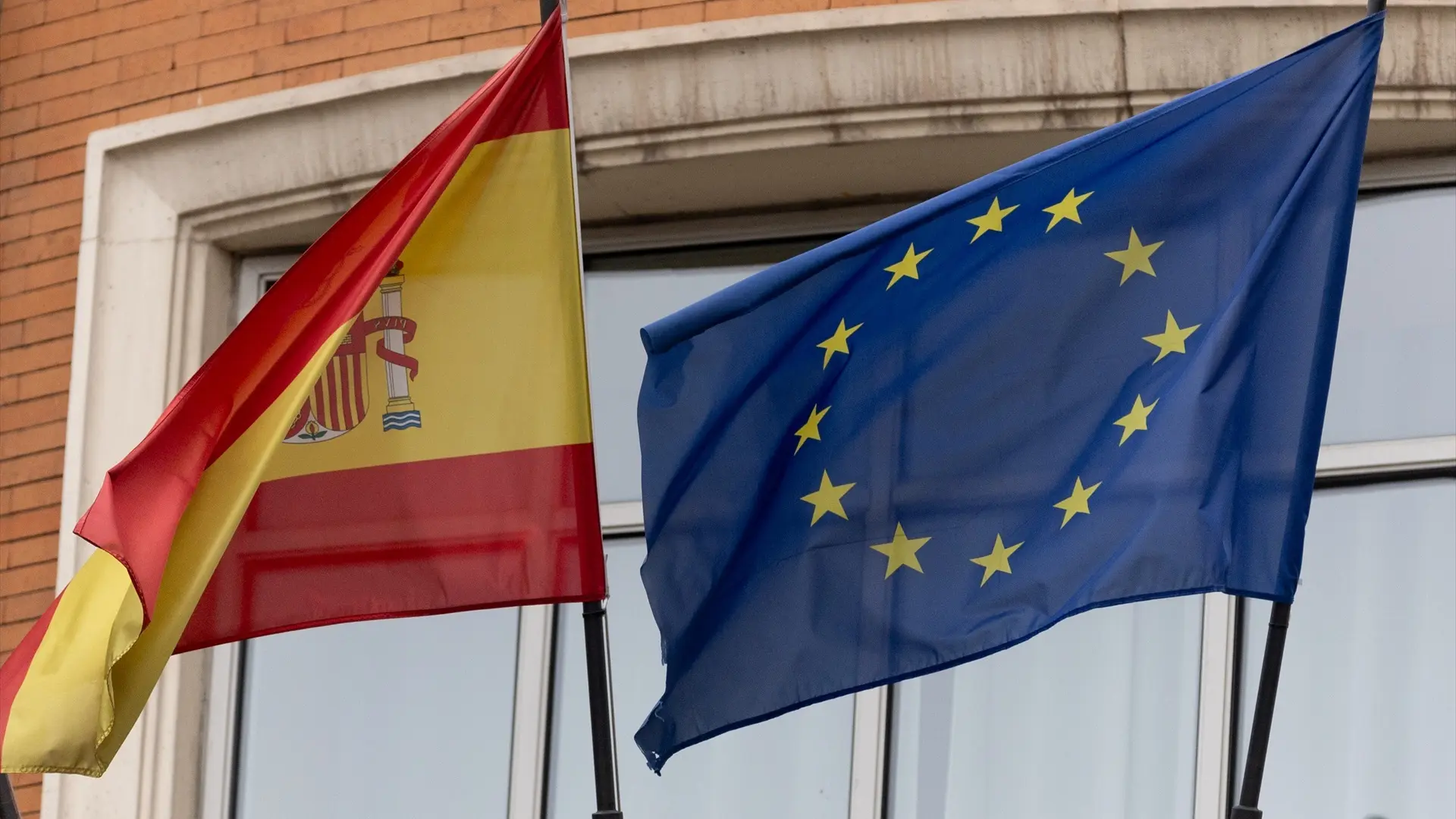
We celebrate this 2026, the 40th anniversary of our country’s entry into the European community institutions. The dream of an entire generation to be part of political Europe, which despite the intentions of Foreign Minister Castiella in 1962 and then the efforts of Ambassador Ullastres in the 1970s, did not get us beyond the preferential agreements with the EEC.
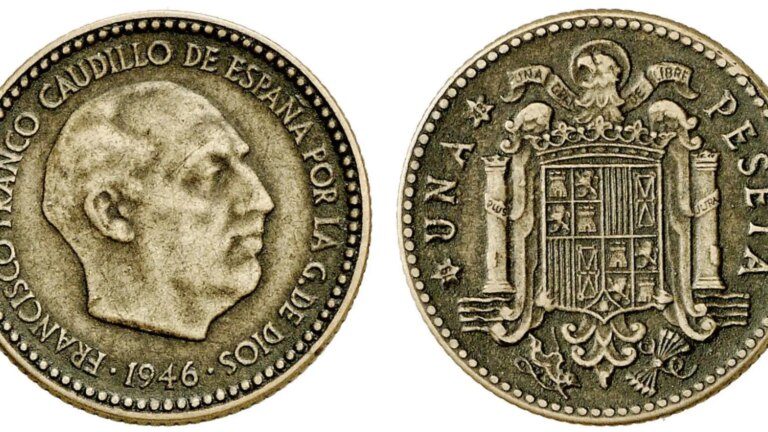
We had to wait for the democratization of our country. The Government of Felipe González formalized the accession (LO 10/1985) with Fernando Morán as Minister of Foreign Affairs and the good work of the Trinidadian negotiators. Spain had paid dearly for the Franco regime’s failure to remain outside the walls of the democratic normalization of Europe after World War II. It’s history but it’s worth remembering.
Also the fact that a former chief of staff of Minister Castiella, Marcelino Oreja, asked as Minister of Foreign Affairs of Adolfo Suárez in 1977 to enter the EEC, which was only achieved after difficult and arduous negotiations in which the economic interests of France, Italy and also Germany They played together with the politicians to delay or make it difficult for Spain to be part of the select European club.
Spain’s entry was completed a few years later in Madrid by the hand of Jacques Delors and Felipe González with the Treaty of Maastricht in 1992 and with the entry into the euro in 2000 by the iron hand of Aznar with José Barea of ’Pepito cricket’ of Spanish finance.
What balance can be made of these forty years of accession? The answer is more than positive if we analyze it from the perspective of the Funds and aid that have allowed our country to converge in income with the European average and, above all, improve our infrastructure and territorial planning. It is enough to travel through Spain and compare the current situation with the seventies/eighties of the 20th century to see. the great advance that could not have occurred without entry into the EEC or staying away from the euro.
From a political point of view, the prestige of our country was enhanced by the hand of Felipe González y Aznar and the European figure of King Juan Carlos with his contacts that helped so much on key issues in our relationship with the EU. We were classified as the south prussians by the degree of compliance with what was agreed in the Accession Treaties.
Later, with Zapatero and Rajoy, some problems arose given the lack of interest of these two presidents in European affairs. In particular, the least interested was Zapatero, who left Spain at the horse’s feet in 2011 given his chaotic economic policy that squandered the good years of Aznar and his former European Commissioner Pedro Solbes in the Economy.
Rajoy will not go down in the Annals of Europeanism either, although in his defense he had to deal with the economic legacy of the previous one and with the ghost of the rescue that allowed us to compare our situation with the worst countries in Southern Europe. The arrival of the calls men in black It marked the worst meeting point with the community institutions and with the economic prestige of our country.
Later things recovered, despite the fact that the trail of Pedro Sánchez, who had the conditions to be a European leader, has been unraveling, especially after the rejection of 60,000 million Covid loans due to the political and administrative negligence of his government.
Spain has contributed to Europe good Commissioners and presidents of the European Parliament. The figures of Enrique Barón and José María Gil Robles marked the good work of Spanish pro-European politicians. Javier Solana as High Representative for Foreign and Security Policy (Mr. CFSP), from 1999-2009, laid the foundations for a foreign policy that was not followed by the mediocre leaders who replaced him.
In the same way, Marcelino Oreja, Abel Matutes and Manuel Marín in the Delors Commission, or Loyola de Palacio and Josep Borrell himself left the national flag high.
The big question is what Spain wants to be within the EU. If you intend to live off the income or, on the contrary, aspire to be someone, as Jean Monnet would say, to do something or something in the progress of the construction of this imperfect confederation that the Union has become, in the words of Mario Draghi.
Draghi, one of the undisputed leaders of current Europeanism, reminded us at the 2025 Princess of Asturias awards ceremony of the path of economic reforms to be a relevant actor in the current global context as well as the need to straighten out EU architecture and governance that will require large doses of leadership to be carried out.
Spain should be in the core of European States that want a closer political Union far from the national selfishness and illiberal democracies that already circulate in Europe, such as Hungary or Poland, along with countries with little Europeanism such as Romania or Bulgaria, only sustained by dependence on European aid.
Let’s toast to these forty years of EU membership! And let us strive to perpetuate and improve them with our collective effort, abandoning the temptation of wanting to live off the European “good vibes.”