Eggs, coffee, beef and chocolate have skyrocketed their prices so far this year, with double-digit increases
Eggs, coffee, beef, chocolate and cocoa are the food products that the more their prices have skyrocketed in Spain between January and November of this year, with increases that exceed in all cases the two digits.
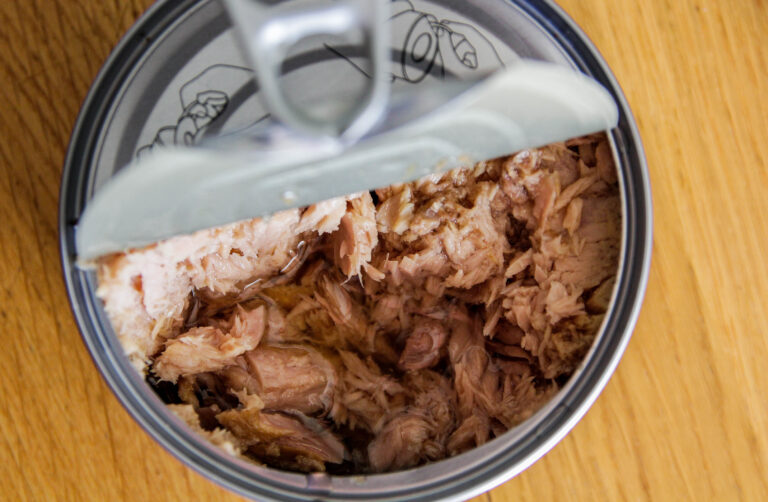
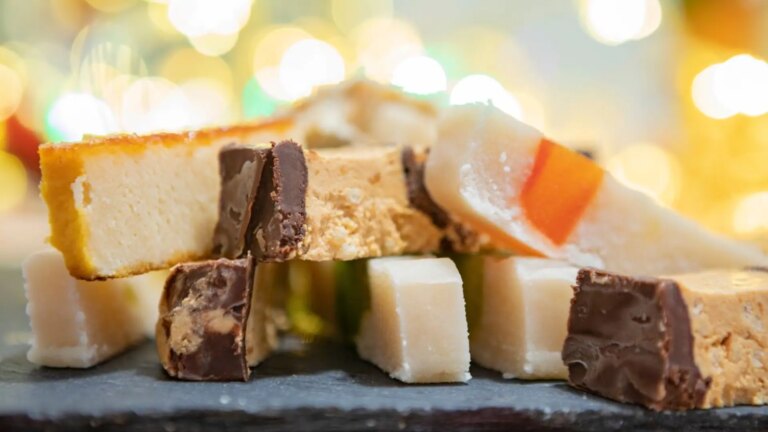
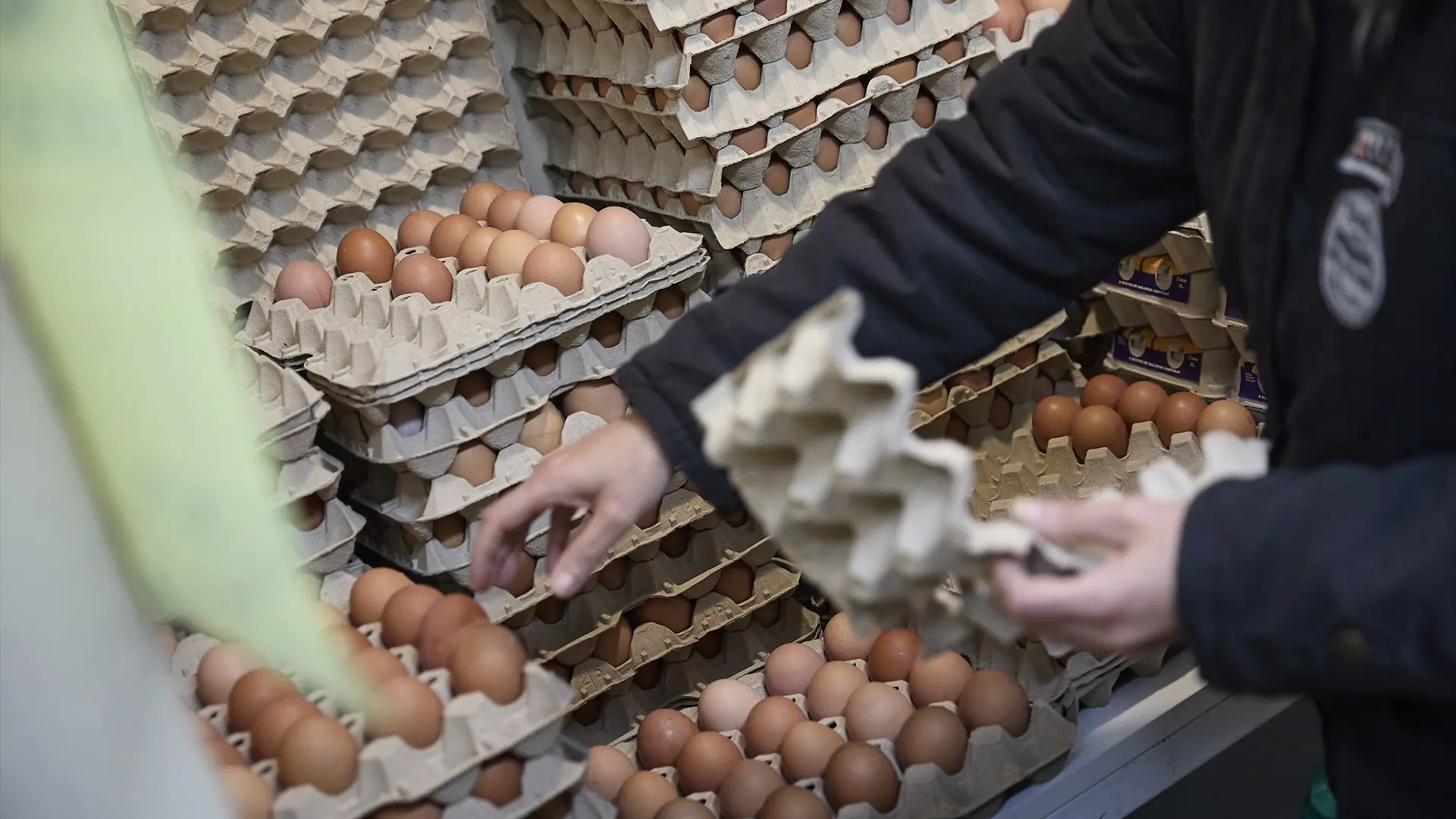
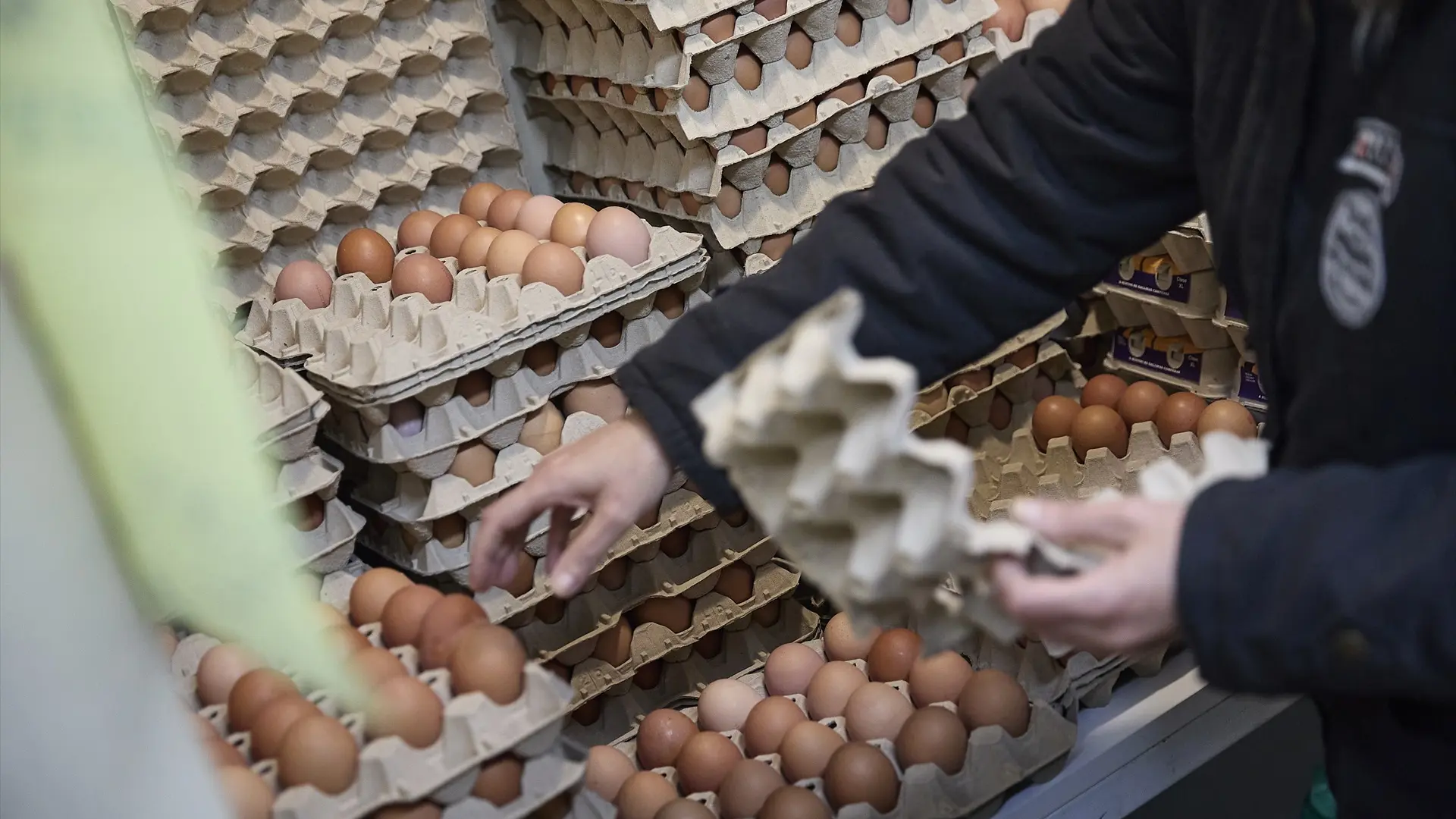
Specifically, according to the latest CPI data for November published by the National Institute of Statistics (INE), eggs have become more expensive by 30% in the first eleven months of the year, while coffee has risen in price by 17%, the price of chocolate accumulates an increase of 13.3%, beef is 15.6% more expensive, and cocoa and chocolate in powder have raised their prices 12.4%.
Likewise, among the foods that have most increased their price until November, although already with increases lower than double digits, are fresh or chilled fruits (+9.1%), dried fruits and shellfish (+6.8%), frozen fish (+7%), edible offal (+7%), butter (+5.1%) and whole milk (+5.1%). At the other extreme, among the food products that have become cheaper so far this year are olive oil (-32.3%), sugar (-5.3%), potatoes (-2.6%) and baby food (-1.8%).
Eggs, 30.2% more expensive than a year ago
In terms year-on-year (from November 2024 to November 2025), eggs are the foods that have increased the most in price in Spain, with a year-on-year increase of 30.2%. They are followed by beef (+18%), coffee (+17.3%), others oils foodstuffs (+17%), chocolate (+14.5%) and cocoa (+12.4%).
The price of coffee is being affected by climatic conditions adverse events, such as droughts and frosts in main producing countrieswhich has reduced harvests. At the same time, geopolitical conflicts have made it difficult to transportation and distribution of coffee, making its price even more expensive, and demand has increased, especially in emerging markets like China.
Chocolate, although it is still much more expensive than a year ago (+14.5%), has moderated its upward trend quite a bit, as it has managed to show year-on-year increases in its price this year of around 25%. In its latest report, the International Cocoa Organization points out that the prices have been influenced by fewer arrivals to the Ivory Coast ports and the weak demand.
“Q3 2025 grinds showed the steepest decline in Asia, while Europe and North America saw mixed trends”, underlines the organization. However, the International Cocoa Organization says that, as the season progresses, uncertainties regarding European regulations which prohibits the marketing in the EU of products such as coffee, cocoa, soy and palm oil if they are linked to the deforestation, as well as weather and seasonal factors “could alter the balance between supply and demand” and affect prices.
The ICCO (for its acronym in English) foresees a world surplus of cocoa for the 2025/26 season by the increase in production and the weakness of demand, which is taking time to recover after price increases. With regards to the eggstheir prices have been rising in Spain since the beginning of the year, starting in March to grow by double digits. Thus, until November, they have accumulated nine consecutive interannual months of increases of more than 10%. In monthly values, eggs became 6.8% more expensive in November compared to the previous month.
Olive oil adds two months of promotions
According to Statistics data, in the last year, the food products that have been sold the most cheapened have been the oil of olive (-38.1%), sugar (-7.5%), potatoes (-3%) and pizza (-1.7%). In relation to olive oil, in monthly values (November over October), ‘liquid gold’ became more expensive by 2.6%, thus registering its second consecutive monthly increase. Since January 2021, this product has accumulated an increase in its price of 57.7%.
In the first eleven months of the year, prices have risen in Spain by 2.6%. Almost seven tenths of this increase correspond to hotels, cafes and restaurants, while housing – not including the purchase of apartments – is responsible for six tenths and food, for just over half a point.