from record prices to the highest purchase volume since 2007
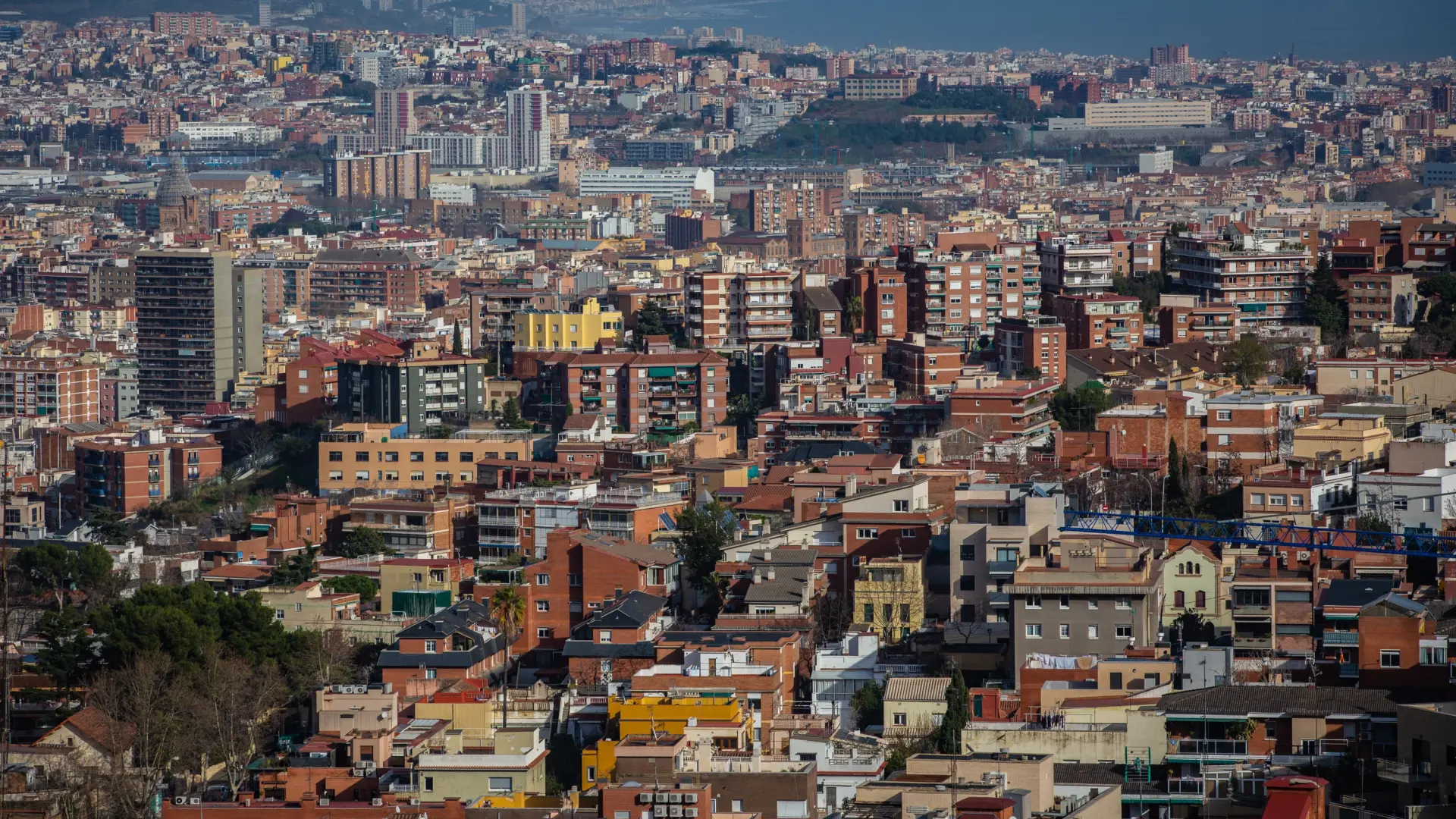
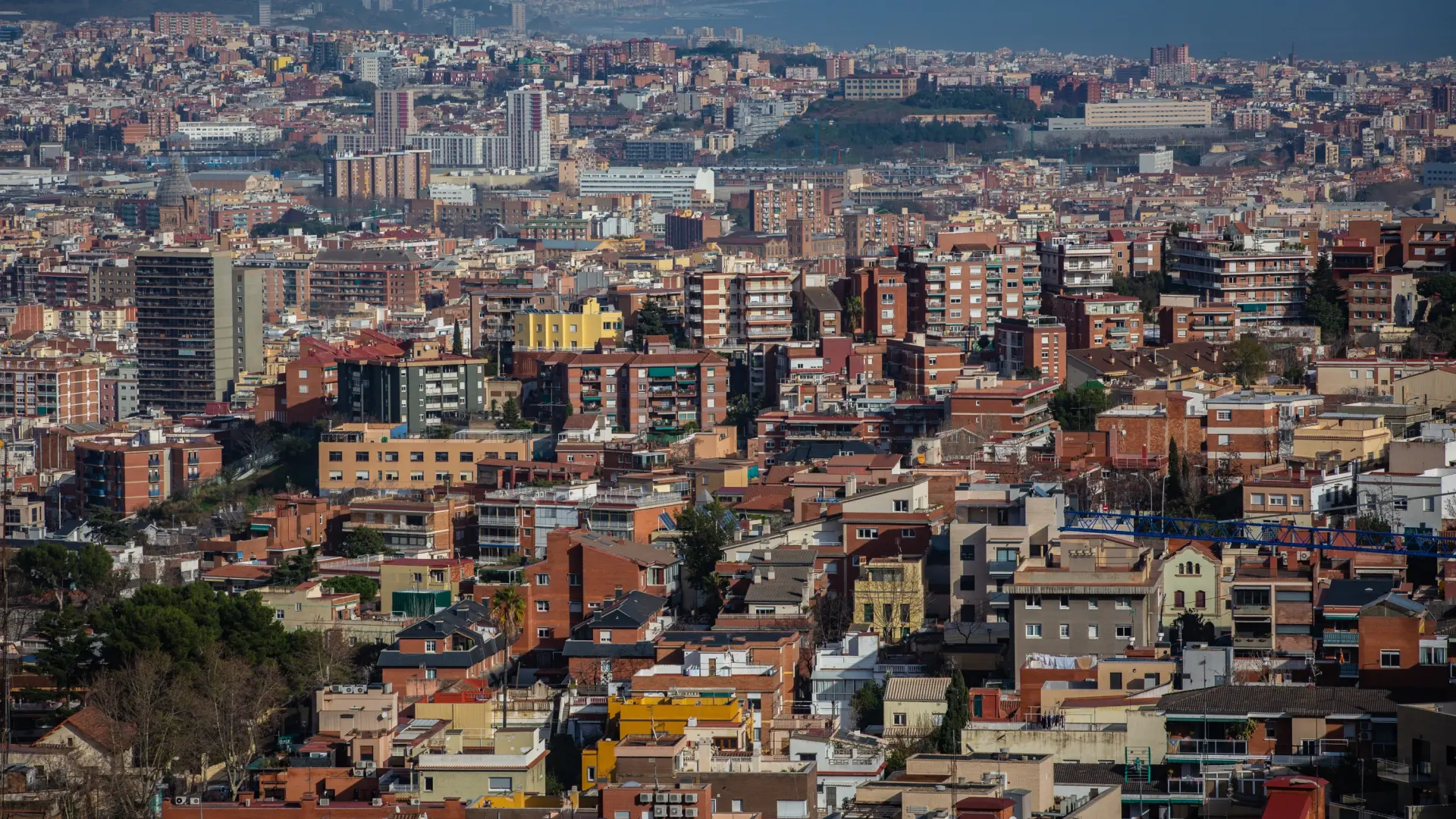
The skyrocketing prices of homes both for sale and for rent and the difficulties in finding an affordable apartment have become a daily reality in large cities and areas with the most demand, where this picture contrasts with the increase in sold homes. Prices are moving at record levels and escalating at a pace unprecedented in two decades, while sales and purchases are registering figures not seen since 2007, when the last blows of the economy were still being felt. boom of the brick. The real estate market closes another year of imbalances in which access to housing has only worsened for a growing part of the population, which perceives it as the country’s main problem, and looks into an abyss in which the echoes of a new bubble are beginning to resonate, although different from that of 2008.
According to the latest data from the Ministry of Housing, the value of a square meter reached an average of 2,153 euros in Spain in the third quarter of 2025, a mark with which it surpassed for the first time the peak of 2,101 euros per square meter at the beginning of 2008 and with which it set a new record in the historical series – without taking inflation into account. In the last year alone the average house price has shot up 12.1%which represents the largest year-on-year increase recorded since 2005. This increase adds more fuel to the fire, since it is added to those of previous years. Since 2022, the square meter has become more expensive by around 24%.
In large cities prices far exceed the national average. Madrid and Barcelona stand out, reaching 5,034 and 4,374 euros on average per square meter. This translates respectively into 402,700 and 349,900 euros for an average apartment of 80 meters. In other large capitals such as Valencia or Seville, prices are even more moderate—2,725 and 2,351 euros per square meter—although they have grown respectively by 24.2% and 17.2% in the last year alone, according to ministry data.
The reason behind these skyrocketing prices and strong increases is the mismatch between a scarce housing supply and a very active demand. “2025 has been a year marked by the growing imbalance in the housing market,” confirms the director of Funcas’ Situation, Raymond Torres, who points to a deepening of the same trend of recent years. “The population has grown by three million inhabitants since 2019 and, on the other hand, housing construction has satisfied half of the demand that has occurred each year,” he explains. The brick sector in Spain is still suffering from the collapse of the crisis. It went from completing more than half a million apartments a year between 2004 and 2008 to less than 50,000 between 2013 and 2017. In recent years it has recovered slightly. According to official data, this year 100,327 work visas were granted until September5.6% more than in 2024, although only 58,804 homes have been completed.
Faced with this slow expansion of the park, the demand for real estate maintains strong dynamism, as evidenced by the 601,543 sales and purchases registered between January and Octoberaccording to the INE. It is the first time since 2007 that the threshold of 600,000 operations has been exceeded. They are 12.3% more than in the same period of 2024. “Absolutely everything that is put on the market, both for sale and rental, is placed,” recognizes the president of the National Federation of Real Estate Associations (FAI), José María Alfaro, who warns, at the same time, that the current situation is unsustainable in the long term. “What’s the point of having so much demand if there is no supply? These imbalances ultimately drain the citizen’s disposable income and what this does is impoverish the population,” he points out.
Oblivious to price increases, the real estate market has maintained a constant pace of around 60,000 monthly sales and purchases throughout 2025, thus improving the data for an already positive 2024. After starting the year with year-on-year increases of over 10%, dynamism has slowed down in recent months, even registering slight falls in August and October. The market is thus beginning to stabilize – supported by the purchase and sale of second-hand apartments, which represents close to 80% of operations and is at record levels – but it is doing so on about trading levels not seen since the bursting of the bubble real estate – in July, September and October even more homes were sold than in the same months of 2007.
A bubble of expectations
Faced with this scenario of skyrocketing prices and large volume of purchases, doubts are beginning to arise as to whether Spain runs the risk of facing a new bubble like the one that ended up bursting in 2008. “I believe that We are already in a bubble, but not like 2008because it is not a credit bubble,” assesses the director of Funcas’ Economics, who emphasizes that the current rise in prices and the market imbalance is not due to excess money lent by banks, as happened two decades ago.
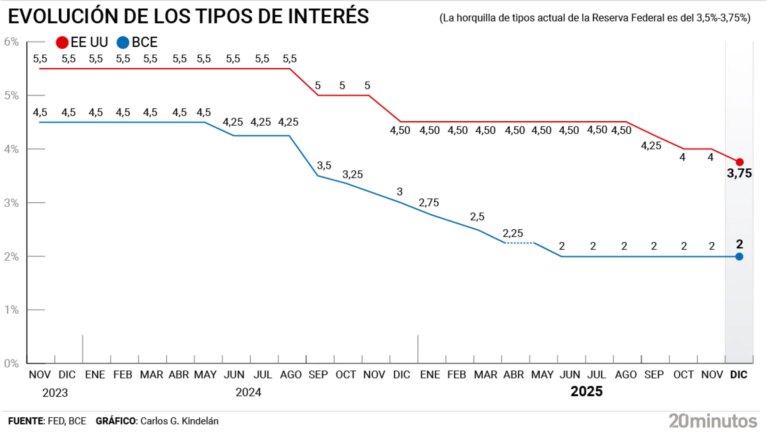
In the absence of knowing the data for November and December, Between January and October 2025, 419,913 mortgages were granted for the purchase of homes, according to the INE. This is the largest accumulated volume of loans since 2010, although far from the more than one million loans signed in 2007, with an equivalent level of sales. Like the transactions, the mortgage firm has also grown strongly. 18.4% more credits have been subscribed than in the first ten months of last year, and at a lower cost. The average interest rate stood at 2.81% in October, its lowest level since the beginning of 2023, and the Euribor is around 2.3%, after experiencing a slight rebound following the end of rate cuts by the European Central Bank.
“This bubble is a bubble of expectations: investors anticipate higher prices and that is what motivates the purchase,” explains Torres. “The price is no longer within the reach of the majority of the middle class and that is a sign of that bubble of expectations,” he adds, trusting that the increases will slow down for next year due to the relaxation of demand and the slight recovery in supply. “The price of housing will grow in 2026 but at a probably lower rate,” he predicts. “Next year prices will continue to rise, both in sales and rentals, although possibly more slowly,” agrees Alfaro, who warns that the difficulties in accessing housing at an affordable price will increase. They are spreading from big cities to more peripheral areas.
According to data from the College of Registrars, currently the average monthly payment for a mortgage is around 786.2 euros, which already represents more than a third of the average salary. AND The price of a home is equivalent on average to 7.7 years of full salaryaccording to the Bank of Spain. The situation is not more promising for those who live in rent. According to Idealista, in Madrid the average price of advertised apartments has risen 11.4% in the last year to an average of 22.8 euros per square meter, which means paying 1,824 euros per month for an 80 square meter apartment. In Barcelona, where the price control provided for in the housing law is applied for stressed areas, the increase compared to the end of last year is only 3.4%, although renting a home with those same characteristics amounts to up to 1,920 euros. Valencia also exceeds 1,200 euros, while Seville is around 1,000.
To address this situation, there is consensus that The solution is to increase the supply of housingeither by building more or mobilizing empty houses and recovering apartments intended for tourist and seasonal rentals. The different administrations and political parties have put their proposals on the table. Even the European Commission has recently presented the first European Affordable Housing Plan. Among other actions, in the last year the Ministry of Housing has launched a new registry of tourist apartments, has designed a new State Housing Plan and has given the starting signal to the new state company Casa 47, at the same time that it has insisted on asking the autonomous communities to declare stressed areas, as they have done in 2025 Basque Country, Navarra and Galicia, the first PP region to take the step, despite the fact that those of Alberto Núñez Feijóo continue rejecting this measure. 2026 will tell what the fruits are.