Geopolitics make 2026 a dangerous year for investors
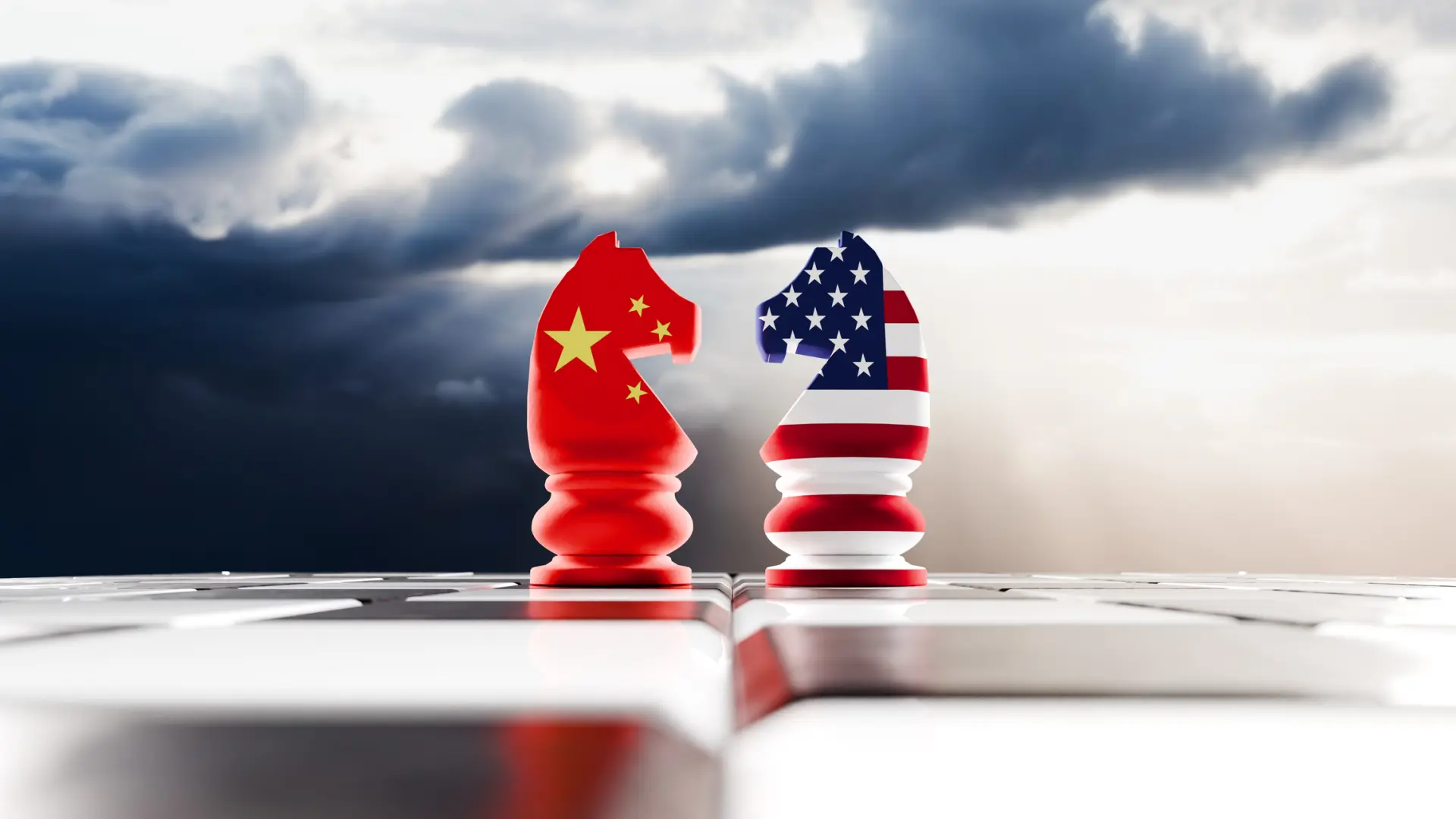
2026 is not expected to be a bad year for financial markets. Everything indicates that the world economy will continue to grow at a moderate pace, inflation will remain relatively contained and corporate profits will continue to increase in the main developed economies. There are no clear signs of a global recession, nor of a financial collapse, nor of a widespread bubble about to burst.
And yet, 2026 is shaping up to be a dangerous year for many investors. Not so much because of what is going to happen in the markets, but because of the political and geopolitical context that begins to increasingly condition economic decisions.
After several years of high returns, brief corrections and a widespread perception that markets “always recover,” the main risk is no longer a classic economic shock. The risk is that politics, fiscal populism and geopolitical rivalry will come to play a central role in price formation, capital allocation and risk perception.
The year begins with several active and unresolved sources of tension that have been part of the economic landscape since the first day of the year. The war in Ukraine, which began in 2022, will continue to mark the European security agenda and condition public spending, energy policy and industrial decisions. The conflict in the Middle East will continue to influence the global energy balance, while prolonged crises in Sudan and Myanmar will continue to affect raw materials, trade flows and regional stability.
In Asia-Pacific, the situation in Taiwan will remain one of the main points of strategic friction between the United States and China. Strait tensions, along with tightening technological and trade controls, will continue to weigh on the semiconductor industry and global supply chains throughout 2026. This is not a new risk, but one that is increasingly integrated into business and investment decisions.
This geopolitical environment also coexists with economic growth that is maintained, but that rests on increasingly political bases. Various reports from managers and international banks coincidence in placing global growth at around 3%a level similar to that of 2025. However, this expansion will be supported by a combination of massive investment in artificial intelligence, increased spending on national security and increasingly expansive fiscal policies.
According to the analysis of the French manager Carmignac, governments are choosing to postpone structural adjustments through public spending, subsidies and support policies designed to contain social unrest. Low productivity, demographic aging or the fragmentation of supply chains remain unresolved, while resorting to fiscal stimulus becomes a recurring response. This turn towards populist policies is not isolatedbut increasingly synchronized on a global scale.
Pressure on central banks is increasing
In this context, central banks face increasing pressure to support debt markets. The monetization of deficits, direct or indirect, appears as an increasingly probable tool to avoid episodes of abrupt tension in bond markets. This is not necessarily an immediate crisis scenariobut it is a cumulative process that introduces distortions and reduces future room for maneuver, especially in an environment of rates that are still high in real terms.
The United States is a good example. Forecasts point to an economic acceleration driven by new fiscal packages, a policy of financial deregulation and more flexible monetary conditions. At the same time, inflation could stabilize around 3%. The result is a scenario of solid growth and strong markets that, however, coexists with a persistent perception of stagnation among households.
Europe presents a different picture, but no less dependent on public stimulus. Growth will be supported by active fiscal policies, national investment plans and the extension of European funds. Bulgaria’s recent accession to the euro zone, effective January 1, 2026, symbolizes both progress in integration and the internal tensions of the European project in a context of political polarization and misinformation. At the same time, productivity remains stagnant and disinflation shows signs of exhaustion, limiting the central bank’s room for action.
Strategic decisions with a direct impact on the markets are superimposed on this macroeconomic scenario. Throughout 2026, meetings of OPEC and its allies will continue to be decisive for the evolution of energy prices, especially after the strong correction in crude oil recorded in 2025.
From the struggle between the US and China… to Ukraine
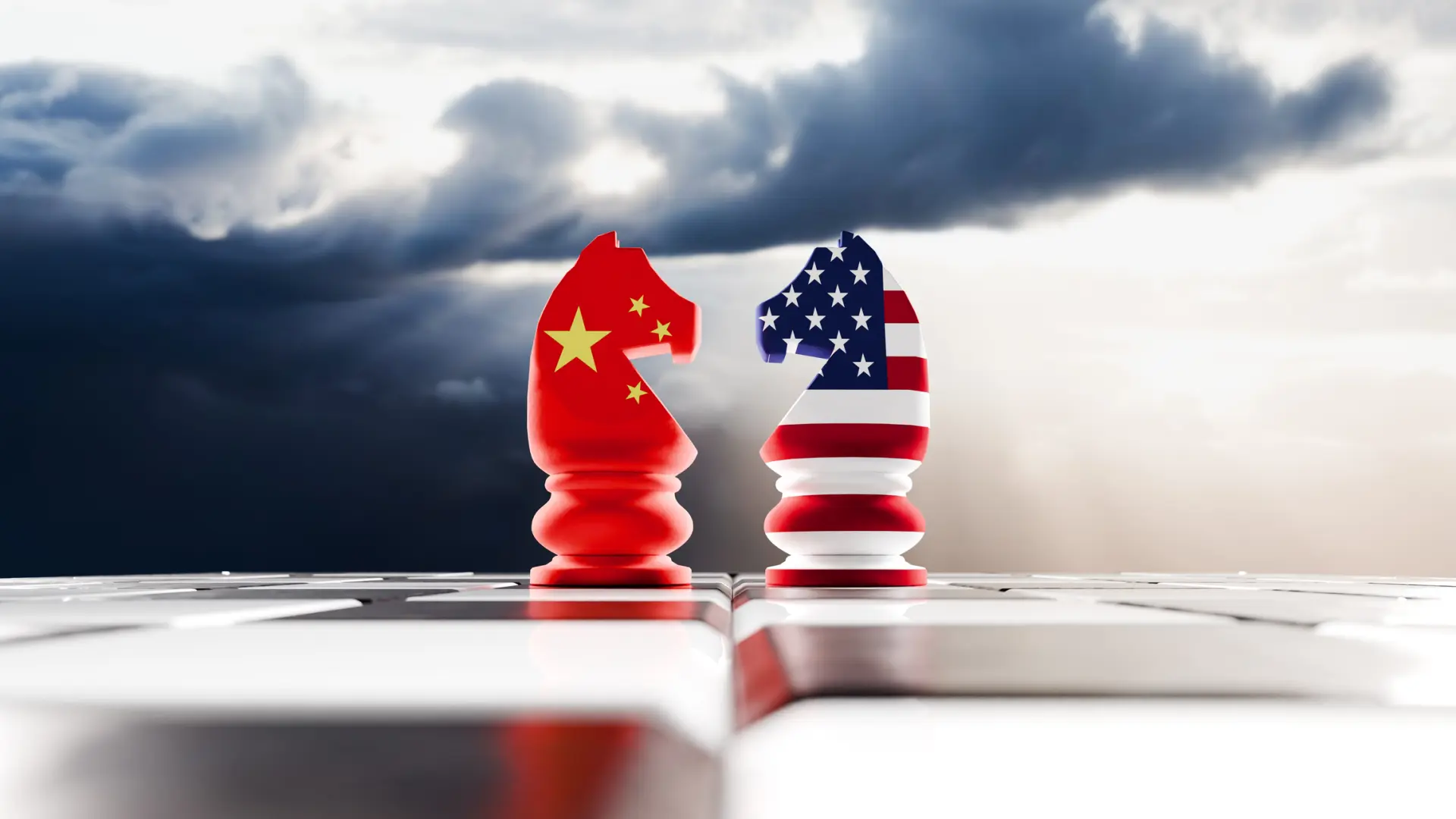
The rivalry between the United States and China will be another constant source of uncertainty. The clash will intensify in the technological field, with new export controls, trade tensions and the consolidation of selective industrial alliances.
The international political calendar also adds relevant milestones. In July 2026, the NATO summit in Ankara will redefine defense and security priorities against a backdrop of protracted war in Ukraine. A month earlier, in June, the G7 meeting in France will address coordination between the main advanced economies in an environment of rivalry between blocs and growing geopolitical fragmentation.
Beyond each specific event, the common denominator is a world that moves away from the logic of economic cooperation and approaches a zero-sum dynamic. The social frustration arising from unequal growth and loss of purchasing power They fuel policies that prioritize the short term. In this environment, the so-called “bond watchdogs”, investors who penalize excess indebtedness, could once again play a relevant role, putting pressure on sovereign debt markets.
The risk for 2026 does not lie in a single event, but in the coexistence and synchronization of multiple political, fiscal and geopolitical fronts. The economy can continue to grow and the stock markets can resist, but the margin of error will be narrower.