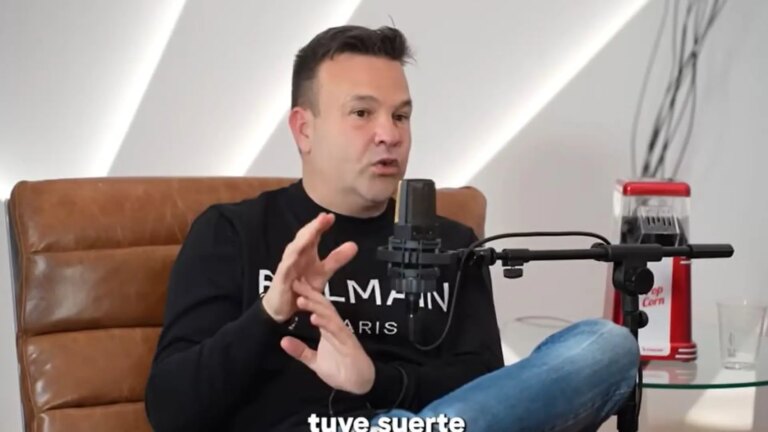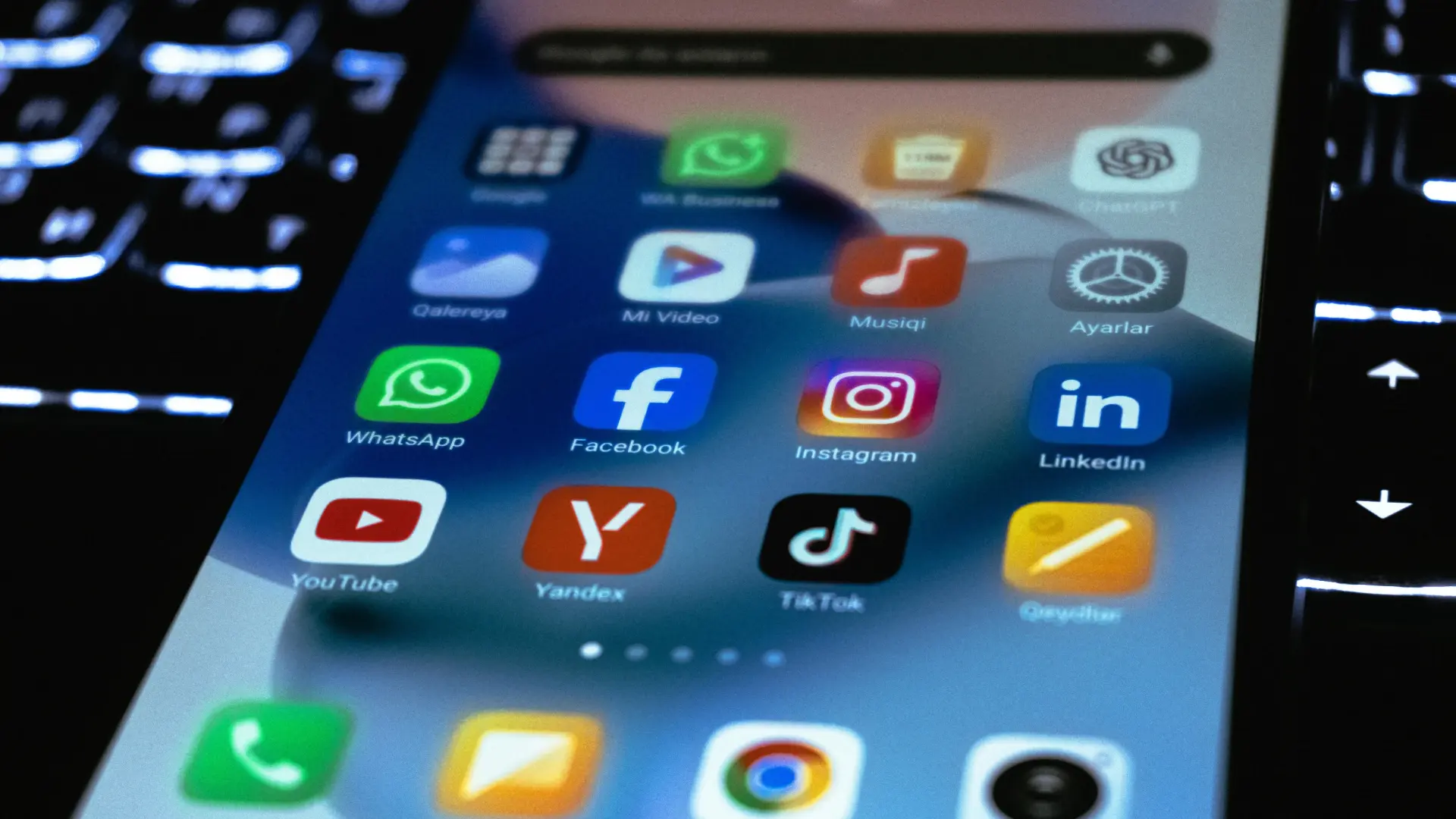
From TikTok to Instagram, the “spend as an investor” movement gains ground among young people without an investment portfolio
The video begins with a supermarket cart. There is no stock chart, nor are there references to index funds. The only thing that appears is a girl in a tracksuit who picks up a package of cereal and says: “This does not cost 3.80 euros. It costs 3.80 today… plus what you will stop investing tomorrow”. Cut. Plan to mobile. And there it is. The open compound interest calculator. End.
That video has more than 200,000 likes on TikTok. He’s not the only one. There are more and more creators on networks like Instagram and TikTok who do not explain how to invest, but how to think as if you already do it. they call it spending like an investoror “spend like an investor.” And although it sounds abstract, the message resonates, especially among those who do not yet have a wallet.
Most of these users probably haven’t bought stocks or opened a fund. But they have begun to look at money in a different way. And that, some analysts say, is just what is relevant. Because here it is not about choosing between active or index funds. Nor about building a 60/40 portfolio. It is something much more basic. And much more contagious. The idea that every expense is actually an investment decision. Or non-investment.
This phenomenon has crossed the ocean. It started in financial channels such as Her First 100K either The Break Platformwell known in Anglo-Saxon networks. But now it is in Spanish with an equally direct, but more local, approach.
From index fund to coffee with milk
A viral example. The Spanish creator @save.buy.invest has a series of short videos that have already accumulated millions of views on Reels. In one of them, he appears asking for a takeaway coffee. “Two euros a day. That’s 60 euros a month. A year, 720. In ten years, more than 10,000 if you put them in an ETF at 6% per year. Do you want the coffee or the fund?”. That’s the logic.
Furthermore, this is not an isolated phenomenon. It coincides with a real rebound in Searches related to index funds among those under 30 years of ageaccording to Google Trends data for Spain. Also with the rise of accounts on networks such as @finanzasparamillenials either @investormentalitywhich translate financial concepts into everyday decisions.
Perhaps the most interesting thing is not in what they say, but in how they say it. They do not talk about “liquid assets” or “medium duration”. They talk about “buy future” when someone gives up an impulsive purchase. Of “capitalize on your habits” when you plan the month’s expenses as if you were a manager. And they do it with rhythm, humor and good cultural references.
On the other hand, this change is not only aesthetic. Some financial institutions are taking note. According to BBVA Research, interest in automated savings and microinvestment tools has grown 27% among those under 35 years of age since January. The relationship is not direct, but analysts point to a clear correlation between the consumption of “light” financial content on networks and the subsequent use of products linked to investment.
More data. The Spanish platform Indexa Capital has registered an increase in account openings in the second half of the year among users between 20 and 30 years old. Many of those new customers arrive after interacting with educational content on Instagram or YouTube.
As Dan Ariely, professor of Psychology and Behavioral Economics at Duke University, points out, one of the keys to making better financial decisions is make visible the future consequences of each present choice. Applied to consumption, this implies connecting each expense with what is left to be built in the long term. However, this move is not without criticism. Some accuse him of being a moralist. Others believe it trivializes complex decisions.
The economist Mihir Desai (Harvard Business School) has warned in several conferences about the risk of “theatricalize” or oversimplify financial education on social networks. For her part, the European expert in financial regulation María Demertzis has pointed out that these narratives can generate “financial anxiety” if they are not accompanied by adequate context.
But the truth is that it has achieved something that many financial education plans have not achieved in years: sneak into real conversations, in the right tone and in the right place. The mobile. And that is where a good part of the future of savings is played.
Therefore, when we see a influencer Explaining that a 50 euro pair of jeans is equivalent to 85 euros in ten years if you had invested that money in the manufacturer of the jeans, is doing financial pedagogy without mentioning it. What comes now is not advice. It’s a trend. And a sign that investment begins long before opening an account with a broker.